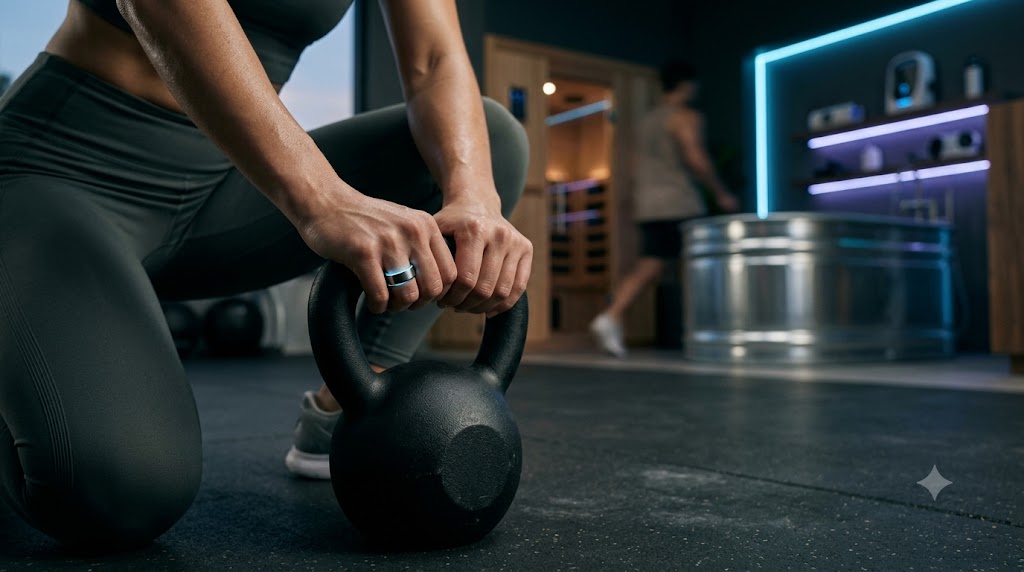
The fitness industry has fundamentally transformed. Today, the focus has shifted from simple weight loss to metabolic resilience, continuous AI monitoring, and sophisticated cellular recovery.
By Health & Fitness Desk | July 24, 2026
In 2026, the fitness and wellness industry is undergoing a massive transition, shifting heavily toward smarter technology, better recovery tools, and highly personalized, data-backed programming. The days of simply stepping on a scale to calculate your BMI are officially behind us. Today, longevity, biological tracking, and metabolic resilience are the ultimate goals.
If you are trying to optimize your physical performance and well-being in the second half of 2026, you can no longer rely on outdated training philosophies. Here are the most critical trends redefining human health and fitness right now.
1. The Era of AI-Interpreted Wearables
In 2026, technology is completely changing how people understand their workouts. Modern smartwatches, rings, and AI-driven sensors do far more than track a simple heart rate. In fact, it is estimated that an individual wearing two or more AI health devices generates over 500 unique data points every single day.
The industry has moved past displaying raw data and into the era of AI interpretation. Human brains struggle to spot gradual trends across months of data, which is precisely where AI excels.
Pattern Recognition: Features like Oura's Resilience metric actively track your Heart Rate Variability (HRV) trend across a 14-day window to identify how your autonomic nervous system is adapting to lifestyle stress.
Illness Detection: AI can establish a personal baseline to catch sudden anomalies, with features shown to detect viral illnesses one to three days before actual symptoms appear by monitoring your resting heart rate and overnight body temperature.
Real-Time Coaching: Apple recently previewed watchOS 26, which introduces a "Workout Buddy" feature designed to use your historical fitness data to deliver personalized, spoken feedback right in the middle of a training session.
Women's Health: In March 2026, Oura launched a women's health AI model leveraging temperature sensing capabilities for pregnancy monitoring, cycle prediction, and fertility window estimation.
2. GLP-1s, Peptides, and Building "Metabolic Armor"
The conversation around GLP-1 receptor agonists (such as semaglutide and tirzepatide) has fundamentally shifted. In 2026, they are no longer viewed simply as "weight-loss shots," but as powerful tools capable of meaningfully improving cardiometabolic risk and reducing major cardiovascular events in select populations.
However, medical professionals now emphasize that longevity is not about chasing a lower number on the scale; it is about protecting vital function across your muscles, bones, vasculature, and brain.
Preventing Sarcopenia: The loss of skeletal muscle—known clinically as sarcopenia—is heavily linked to decreased metabolic resilience and worsening insulin resistance.
Resistance Training is Mandatory: When utilizing GLP-1 therapy for weight loss, pairing the medication with resistance training and adequate protein intake is absolutely not optional if you want to protect your lean mass.
Metabolic Armor: Physicians now refer to preserved muscle as "metabolic armor," making strength training a core requirement for any long-term longevity strategy.
The Rise of Peptides: Beyond GLP-1s for diabetes and weight management, a wider variety of peptides are entering mainstream wellness conversations, with people seeking them out to support muscle growth, boost immune health, and aid in anti-aging protocols.
3. Advanced Diagnostics and the "Internal Terrain"
The standard annual physical and basic blood panel are beginning to feel completely outdated. In 2026, proactive patients are seeking out specialty bloodwork that looks much deeper into their biological health.
Measuring Inflammation: People want to manage their internal terrain, looking for highly specific ways to track their ongoing inflammation levels.
Advanced Testing: This structural shift includes testing for hs-CRP (high-sensitivity C-reactive protein) and Interleukin-6 (IL-6), which are key markers released during stress, chronic disease processes, or trauma.
Brain Health Focus: Preserving brain volume, protecting white-matter integrity, and preventing neuroinflammation are top priorities, leading to a massive rise in neuro-trackers and cognitive training apps.
4. Recovery is Training: The Death of "No Days Off"
Perhaps the healthiest physical trend of 2026 is a massive cultural shift in how we view rest. The old, aggressive "no days off" mentality is rapidly becoming less common as people realize that recovery is actually a direct path to physical progress.
Rest is now considered a vital part of training, rather than just a break from it. Allowing your body dedicated time to repair between sessions ensures that muscles rebuild stronger and energy levels rebound.
Recovery Tools: Modalities like cold plunges are being used heavily to reduce muscle inflammation and improve circulation, while infrared saunas utilize gentle heat to relax muscles and boost blood flow.
Percussive Therapy: Tools like massage guns are heavily relied upon to loosen overused muscles, reduce stiffness, and restore joint flexibility.
Movement Snacks: Instead of saving all their activity for a single, intense workout hour, people are incorporating short "movement snacks"—like a few minutes of stretching or walking—to break up long hours of sitting and support long-term physical health.
The Bottom Line
In 2026, true fitness is highly measured, deeply personalized, and relentlessly focused on long-term sustainability. By leveraging AI-powered wearables to detect early signs of overtraining, protecting muscle mass as "metabolic armor", and prioritizing serious cellular recovery, the modern approach to health ensures your healthspan perfectly matches your lifespan.