2026 FIFA World Cup: Complete Host City Guide, Ticket Strategy, Bold Predictions and Everything You Need to Plan Your Trip
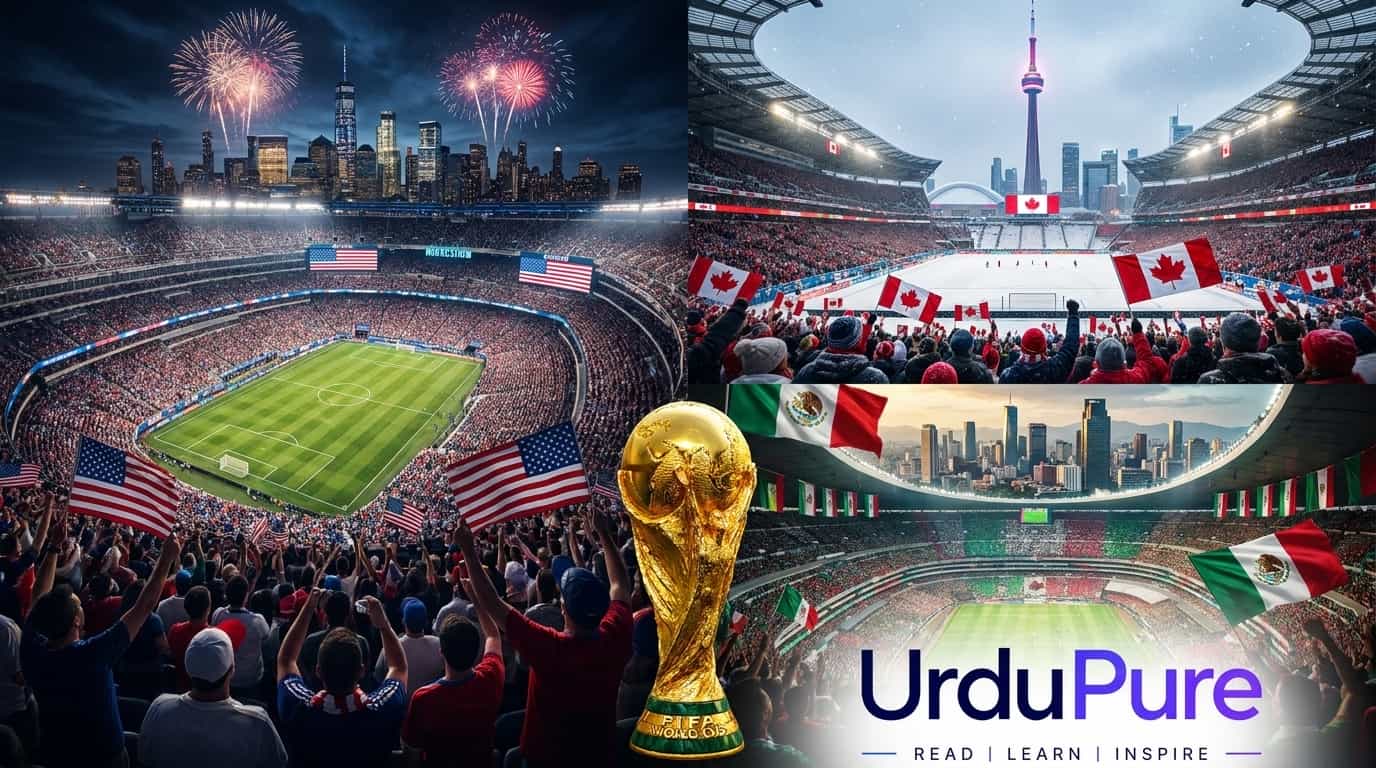
History is being made. On June 11, 2026, Estadio Azteca in Mexico City will host the opening match — Mexico vs South Africa — and the largest, most geographically sprawling FIFA World Cup ever staged will officially be underway. For the first time, three countries share the honour: the United States, Canada, and Mexico. For the first time, 48 national teams compete. For the first time, 104 matches will be played across 16 host cities over 39 days, concluding with the Final at MetLife Stadium in New Jersey on July 19.
The logistics of this tournament are genuinely unprecedented. Cities are more than 2,000 miles apart. Climates range from the summer heat of Houston to the Pacific cool of Vancouver. Fan cultures, transport networks, cost of living, and football atmospheres vary enormously. Planning your World Cup trip — or even just deciding where to watch it — requires more information than any previous tournament demanded. This is your complete guide.
1. All 16 Host Cities Ranked for Fan Experience, Transport and Affordability
The 16 host cities divide into three geographic clusters: the Western Region (Vancouver, Seattle, San Francisco Bay Area, Los Angeles), the Central Region (Guadalajara, Mexico City, Monterrey, Houston, Dallas, Kansas City) and the Eastern Region (Atlanta, Miami, Toronto, Boston, Philadelphia, New York/New Jersey). Here is how they stack up for the travelling fan:
Tier 1: The Essential Destinations
New York/New Jersey — MetLife Stadium (capacity 82,500). This is the Final city. Even if you cannot get a ticket to the July 19 showpiece, the atmosphere in New York during a World Cup Final week will be unlike anything else on the continent. Exceptional transport links, the world's best hospitality infrastructure, and the most concentrated global fan community of any city. Expensive — but justified. The stadium previously hosted the Copa América Centenario Final and Super Bowl XLVIII. It hosts 8 matches including the Final.
Mexico City — Estadio Azteca (capacity 83,000). No stadium on earth carries more World Cup history. The Azteca is the first venue ever to host three different men's World Cups — 1970, 1986, and now 2026 — and its atmosphere for Mexican national team matches is unmatched on the continent. The altitude (2,240 metres above sea level) is a genuine factor; arrive two days early if you can. The city offers the best food of any host, unbeatable nightlife, and the most affordable costs of any major venue. Essential for any serious football fan.
Los Angeles — SoFi Stadium (capacity 70,000). The USMNT opens its campaign here against Paraguay on June 12, and the city hosts a quarterfinal. SoFi is one of the most technologically advanced stadiums ever built. Beyond the football, LA offers cultural diversity, iconic neighbourhoods, and a global community that will make supporting any national team feel like a home fixture. Traffic remains the city's one genuine weakness — allow considerable travel time.
Dallas — AT&T Stadium (capacity 94,000). The largest stadium in the entire tournament. AT&T Stadium is a cathedral to spectacle, hosting one of the two semi-finals. The retractable roof means no weather concerns. Dallas's combination of easy domestic connectivity, excellent hotel infrastructure, and affordability relative to New York or LA makes it one of the smartest bases for multi-game plans.
Atlanta — Mercedes-Benz Stadium (capacity 71,000). One of the most modern and genuinely impressive stadiums in the world, with a distinctive halo roof. Atlanta hosts a semi-final and is already a major MLS and soccer city — the atmosphere for Atlanta United at this stadium consistently rivals anything in world football. Good transport, excellent food scene, and more affordable than the coastal cities.
Tier 2: Strong Choices with Specific Appeals
Miami — Hard Rock Stadium (capacity 65,326). Hosts a quarterfinal and the third-place match. Miami's Latin identity makes it the most culturally immersive US city for South American and Caribbean fans — the city will feel like a home fixture for Brazil, Colombia, Argentina, and Uruguay supporters alike. Summer humidity is the main challenge.
Boston — Gillette Stadium (capacity 64,000). Seven matches including a quarterfinal make Boston one of the most match-dense US destinations. The newly renovated Gillette Stadium features a distinctive 218-foot lighthouse. New England's transport infrastructure is reliable and the city's sporting culture is among the most intense in America.
Monterrey — Estadio BBVA (capacity 53,500). Described by Guinness World Records as the loudest stadium in the world, BBVA is an extraordinary setting and will host Argentina's group-stage matches. Significantly more affordable than US venues, with genuinely spectacular mountain scenery. The Mexican football atmosphere in Monterrey will be electric for every fixture.
Seattle — Lumen Field (capacity 69,000). Known as one of the loudest outdoor stadiums in the US. Hosts USMNT group-stage matches alongside knockout fixtures. Seattle's Pacific Northwest character — craft food culture, spectacular waterfront, manageable scale — makes it genuinely enjoyable beyond the football.
Guadalajara — Estadio Akron (capacity 48,000). Mexico's second city offers a more authentic, less touristy experience than Mexico City, with equally superb food and nightlife. Estadio Akron hosts three group matches including Mexico vs South Korea.
Tier 3: Functional Choices
Houston — NRG Stadium (capacity 72,220). Reliable infrastructure, but summer heat is extreme. Strong CONCACAF fanbase. Hosts a special July 4 US Semiquincentennial ceremony.
Philadelphia — Lincoln Financial Field (capacity 69,000). Hosts a quarterfinal and a special July 4 ceremony. Passionate sports city with good value relative to New York.
Kansas City — GEHA Field at Arrowhead Stadium (capacity 76,416). One of the genuinely loudest stadiums in the US, hosting Messi's Argentina against Algeria. Accessible and affordable, but limited in non-football entertainment.
San Francisco Bay Area — Levi's Stadium (capacity 68,500). Santa Clara location makes it far from the city itself. Best suited to fans already based on the West Coast.
Toronto — BMO Field (capacity 45,000). The smallest stadium in the tournament, but Canada's first-ever World Cup hosting experience gives it genuine historic significance. Hosts Canada's opening match vs Bosnia and Herzegovina.
Vancouver — BC Place (capacity 54,000). Canada's second venue, hosting a Round of 16 as its marquee game. Beautiful city, relaxed atmosphere, but fewer top-tier matches.
2. How to Actually Get Tickets in 2026 — Official, Resale and Last Resort
With over 500 million ticket requests processed during the lottery phases, this is the most oversubscribed World Cup in history. Most official sales phases — the Visa Presale Draw (September 2025), the Early Ticket Draw (October 2025), and the Random Selection Draw (December 2025–January 2026) — are now closed. But options remain.
Official Route: FIFA's Last-Minute Sales Phase
The Last-Minute Sales Phase launched on April 1, 2026, and runs through the end of the tournament. Unlike the lottery phases, this is a first-come, first-served system with immediate confirmation — meaning if you can access the inventory before it sells out, you walk away with confirmed tickets. Check FIFA.com/tickets with your FIFA account already logged in and payment details pre-saved. Inventory for major matches in New York and Los Angeles sells out within minutes of release. Less prominent group-stage fixtures in Kansas City, Philadelphia, and San Francisco tend to have longer availability windows.
FIFA uses dynamic pricing throughout the tournament — tickets that started as low as $60 for early group-stage matches can climb significantly as demand intensifies. The Final is priced as high as $6,730 for Category 1 seats.
Official Resale: FIFA's Own Marketplace
The FIFA Resale/Exchange Marketplace (fwc26-resale-usd.tickets.fifa.com) reopened on April 2 and remains open until one hour before each match kicks off. This is FIFA's own peer-to-peer resale platform, where fans who can no longer attend sell their tickets at prices they set, with all transactions managed by FIFA. Tickets transferred through this platform remain valid for stadium entry. Check it frequently — inventory appears sporadically and moves fast.
Mexican residents use the separate Mercado de Intercambio de la FIFA, which operates on a face-value-only basis.
Secondary Market: StubHub and Beyond
StubHub has World Cup 2026 listings live, backed by its FanProtect Guarantee — you receive valid tickets or replacement tickets or your money back. SeatPick aggregates prices across multiple secondary sellers. The critical rule for any secondary market purchase: ensure the seller uses FIFA's official ticket transfer feature to move the ticket directly into your FIFA account. Tickets bought outside official FIFA platforms risk cancellation at the gate — FIFA has been unambiguous about this.
Hospitality Packages: The Premium Route
FIFA's official hospitality partner, On Location, offers packages combining match tickets with premium food and beverage, lounge access, and curated experiences. Qatar Airways Holidays also bundles flights, accommodation, transfers, and official tickets. These packages cost considerably more than standard tickets but eliminate the uncertainty of the lottery system entirely.
Pro tip: If official inventory is exhausted for your target match, attend the fan festival or fan zone in that city instead — FIFA and host cities are deploying the largest fan experience infrastructure ever built, with giant screens and full programming designed for ticketless supporters.
3. Group Stage Schedule and the Best Fixtures to Attend
The group stage runs from June 11 to June 27, with 48 teams divided into 12 groups of four. All 12 group winners and runners-up advance to the Round of 32, along with the eight best third-placed teams — meaning finishing third is no longer a death sentence. Here are the groups and the standout fixtures to prioritise.
The 12 Groups at a Glance
Group A: Mexico, South Africa, South Korea, Czech Republic (Mexico City, Guadalajara, Monterrey, Atlanta)
Group B: Canada, Bosnia and Herzegovina, Qatar, Switzerland (Toronto, Santa Clara)
Group C: Brazil, Morocco, Haiti, Scotland (Dallas, Houston, Kansas City)
Group D: USA, Paraguay, Australia, Türkiye (Los Angeles, Seattle)
Group E: Germany, Curaçao, Ivory Coast, Ecuador
Group F: Netherlands, Japan, Sweden, Tunisia
Group G: Belgium, Egypt, Iran, New Zealand
Group H: Spain, Cape Verde, Saudi Arabia, Uruguay (Atlanta, Miami)
Group I: France, Senegal, Bolivia/Iraq, Norway
Group J: Argentina, Algeria, Austria, Jordan (Kansas City, Dallas)
Group K: Portugal, DR Congo, Uzbekistan, Colombia (Miami, Houston)
Group L: England, Croatia, Ghana, Panama (Philadelphia, New York)
Five Group Stage Fixtures Worth Travelling For
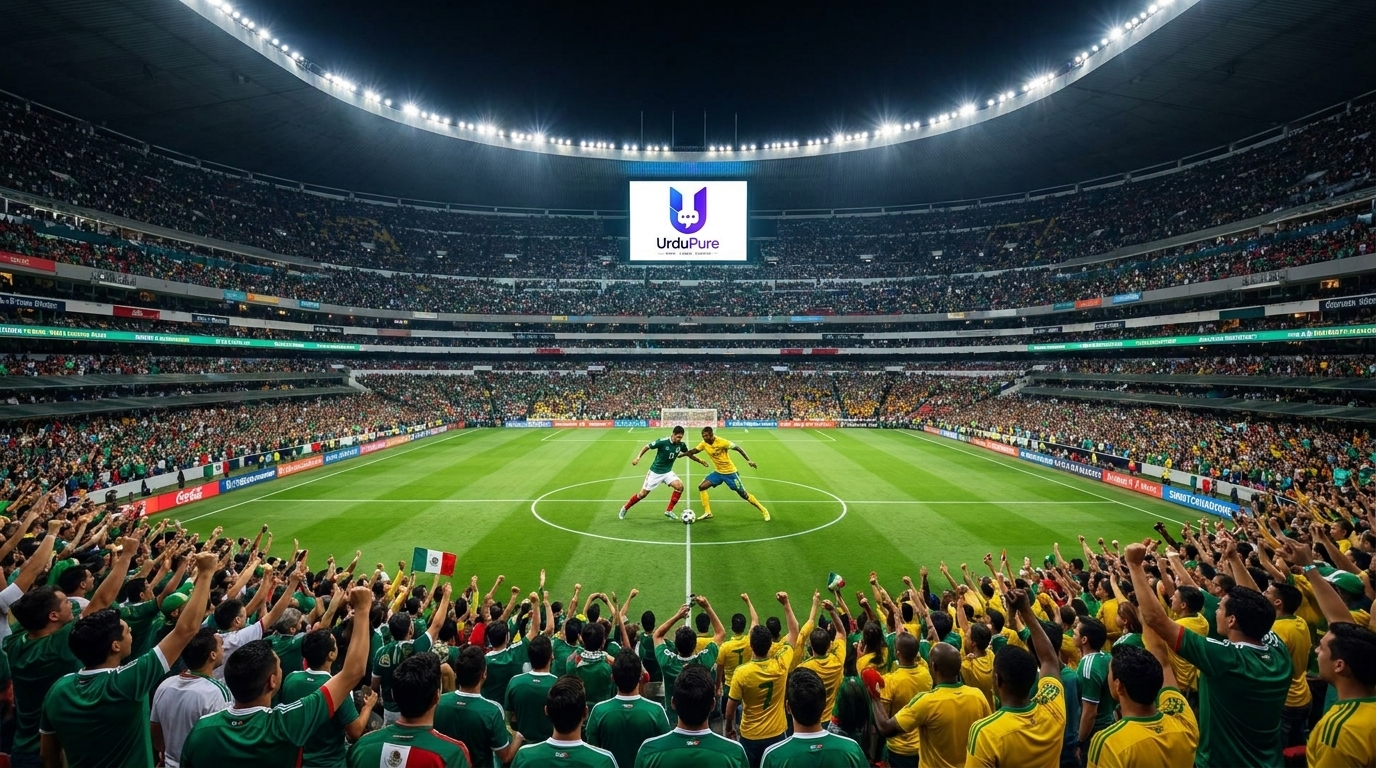
Mexico vs South Africa — Estadio Azteca, June 11. The opening match of the entire tournament, in the most iconic stadium on the continent, in the loudest football-mad country in CONCACAF. This will set the tone for everything that follows.
USA vs Paraguay — SoFi Stadium, Los Angeles, June 12. The USMNT's opener on home soil, in one of the world's most spectacular modern stadiums. The US fanbase and the passionate Paraguayan diaspora will create an extraordinary atmosphere.
Argentina vs Algeria — GEHA Field at Arrowhead Stadium, Kansas City. Messi's Argentina in what Arrowhead bills as the loudest stadium in the US. A deafening partisan crowd plus the world's greatest player in his final World Cup makes this unmissable.
Brazil vs Morocco — Dallas/Houston. Two of the genuine tournament favourites meeting in the group stage. Brazil under Carlo Ancelotti against a Morocco side that reached the 2022 semi-finals is the most tactically compelling group-stage clash on the schedule.
England vs Croatia — Philadelphia/New York. A rematch of the 2018 semi-final. England's Euros heartbreaks and World Cup ambitions, Croatia's extraordinary resilience, and a massive global television audience make every England match at this tournament a major occasion.
4. Our Bold Predictions: Winner, Golden Boot, Biggest Upset
With 48 teams, the expanded format introduces more variables, more potential for upset, and ultimately more storylines than any previous tournament. Here is where we stand as the group stage approaches.
Tournament Winner: France
France are the consensus second favourites in the major betting markets, behind only Spain by implied probability, and ahead of England, Brazil, and defending champions Argentina. The case for Les Bleus is structural: Kylian Mbappé at 27 is at the absolute peak of his physical and creative powers, the squad depth across every position rivals any in the tournament, and Didier Deschamps' experience in major tournament management is unmatched. France's group draw is favourable, their projected knockout path avoids Spain until the semi-final at the earliest, and this is the generation of French football that was built to win consecutive World Cups. They reached the final in 2022 and the semi-final in 2018. The cycle culminates here.
The boldest alternative: England. Harry Kane, Jude Bellingham, Bukayo Saka, Phil Foden, and Marcus Rashford represent the most complete England squad in a generation. They have never won a World Cup outside of England — but the North American crowd's warmth to the English, combined with manageable knockout routes, gives Gareth Southgate's successor a genuine shot at ending 60 years of hurt.
Golden Boot: Kylian Mbappé
Mbappé is the consensus favourite at around +600 / 15.5% implied probability and the pick is straightforward. He won the award in 2022 with eight goals, including a hat-trick in the final. He will be 27 at tournament time, in prime form, and playing for a team expected to go deep into the knockout stages — meaning maximum games and maximum goal opportunities. The expanded format's additional matches only increase his opportunity window. Harry Kane at +700 is the strongest challenger: his Bayern form has been relentless and England look capable of a long tournament run. Lautaro Martínez at 25/1 is the best value outsider — he won the Copa América Golden Boot in 2024 and should thrive in Argentina's soft group while Messi draws defensive attention.
Biggest Upset: Morocco to Reach the Final
Morocco stunned the world at Qatar 2022, becoming the first African nation to reach a World Cup semi-final. They have not stood still since. In Group C, Morocco face Brazil — but a repeat of their Cameroon-scalping form would see them advance, and in the new expanded bracket, a favourable round-of-32 path can propel them deep into the knockout rounds before they face a true heavyweight. Morocco reaching the final in 2026 would be the tournament's defining story. Back them at long odds now.
Secondary upset call: Colombia to win Group K ahead of Portugal. James Rodríguez still pulling strings, Luis Díaz in form, and a home-crowd advantage in Miami. The upset odds are attractive.
The Messi and Ronaldo Farewell Watch
This is almost certainly the final World Cup for both Lionel Messi (who will be 39 during the tournament) and Cristiano Ronaldo (41). Four more goals would make Messi the all-time leading World Cup scorer — a record he could plausibly chase with Argentina's soft group draw. Ronaldo, if he makes Portugal's final squad, has the chance to become the first player in history to score in six different World Cups. Whatever else happens, these storylines will define the emotional texture of the tournament.
5. Dominican Republic — Their Qualifying Journey and the Road Ahead
For Dominican Republic fans reading this guide: your national team will not be at the 2026 World Cup. The Quisqueya will be watching this summer's tournament from the stands alongside tens of thousands of other eliminated nations — and it is important to be honest about why, and what it means for the future.
The CONCACAF Qualifying Campaign
CONCACAF's qualification pathway for 2026 offered three automatic spots and two inter-confederation playoff berths for the region, with the United States, Canada, and Mexico already guaranteed as hosts. The 30 eligible CONCACAF teams — after the four lowest-ranked sides played a first-round elimination — were drawn into six groups of five teams, with group winners and runners-up advancing to a final round.
The Dominican Republic, ranked among the lower-seeded teams in CONCACAF, faced the challenge that has defined Caribbean football for decades: competing for qualification spots against established powerhouses in a region where the gap between the top five or six nations and the rest remains wide. Panama, Haiti, and Curaçao — all of whom qualified — demonstrated that smaller CONCACAF nations can break through with the right combination of organised defending, set-piece effectiveness, and one or two players operating at the top level of club football.
The Dominican Republic's football programme is growing. The country's multi-sport culture, long dominated by baseball, has seen football investment increase at youth level, and a growing number of Dominican-heritage players are developing through academies in Europe and MLS. But the 2026 cycle ended too early for that investment to translate into tournament football at the highest level.
How to Experience the 2026 World Cup as a Dominican Fan
Miami is the answer. Hard Rock Stadium is the closest thing to a home fixture available to Dominican fans — the city's Caribbean and Latin American population means every match there, particularly those featuring CONCACAF nations or South American teams, will feel like a community event. Group K, featuring Portugal and Colombia, plays in Miami. The third-place match is also at Hard Rock Stadium on July 18.
For Dominican fans travelling to the US for the tournament, Miami-based fan zones and viewing events will offer the authentic World Cup experience even without a national team in the field. And for the next generation watching this tournament: the 2030 World Cup's CONCACAF qualification cycle opens in 2027. The Dominican football programme's trajectory — if sustained investment continues — points toward genuine competition for a place at that tournament.
"The 2026 World Cup is a tournament for the Americas — and even without the Dominican Republic in the bracket, the passion, the community, and the stories of this tournament belong to every football fan on the continent."
Essential Travel Planning Tips
Getting Around Between Cities
The tournament's three geographic clusters are designed to be navigated by region — trying to attend matches in both Mexico City and Boston in the same week is logistically and financially challenging. Plan your trip around one or two clusters. Within the US, domestic flights are the practical option between cities. For the Mexican cluster, intercity buses between Mexico City, Guadalajara, and Monterrey are comfortable and significantly cheaper than domestic flights.
Accommodation Strategy
Host-city accommodation during the group stage will be severely strained. Book as early as possible for the cities hosting your target matches. Consider staying in adjacent cities — for New York matches, New Jersey and Connecticut offer better value. For Dallas matches, Fort Worth hotels typically have capacity when Arlington properties are sold out. For LA matches, Long Beach and Pasadena are accessible alternatives.
Weather Preparation by Region
Mexico (June): Mexico City is temperate but Guadalajara and Monterrey will be hot and humid. Light layers for Mexico City evenings.
US South (June–July): Houston, Miami, and Atlanta will be hot and extremely humid. Stay hydrated, arrive early, and plan for afternoon thunderstorms in Houston and Miami.
US West Coast (June–July): Seattle is cool and pleasant; LA is warm and dry. The best weather of any US cluster.
Canada (June): Toronto and Vancouver in June are comfortable — 18–24°C typically. Bring a light jacket for evening matches.
Key Dates to Mark
June 11: Tournament opens — Mexico vs South Africa, Estadio Azteca
June 12: USA opens — USA vs Paraguay, SoFi Stadium, Los Angeles
June 27: Group stage concludes
June 29–July 3: Round of 32
July 4: US Semiquincentennial ceremonies in Philadelphia and Houston
July 6–9: Round of 16
July 11–12: Quarter-finals
July 15–16: Semi-finals (Dallas and Atlanta)
July 18: Third-place match, Hard Rock Stadium, Miami
July 19: THE FINAL — MetLife Stadium, New Jersey
Key Takeaways
The 2026 FIFA World Cup runs June 11 to July 19 across 16 cities in the US, Mexico, and Canada — 104 matches, 48 teams, the biggest tournament in history.
For fan experience, Mexico City, New York/New Jersey, Dallas (Final Four), and Atlanta lead the rankings. Miami is essential for Caribbean and South American fans.
Tickets: FIFA's Last-Minute Sales Phase (FIFA.com/tickets) and the FIFA Resale Marketplace (relaunched April 2) are the safest routes. StubHub offers secondary-market coverage with FanProtect guarantees. Prices range from $60 to $6,730.
Must-attend group fixtures: Mexico vs South Africa (opening match), USA vs Paraguay, Argentina vs Algeria, Brazil vs Morocco.
Our picks: France to win the tournament; Mbappé for the Golden Boot; Morocco as the biggest-upset finalist.
Dominican Republic did not qualify for 2026. Miami's Hard Rock Stadium is the closest cultural home for Dominican fans attending the tournament — Group K (Portugal, Colombia) and the third-place match are played there.
This guide was compiled using official FIFA fixture data, confirmed venue information, and the latest ticket and qualification reporting available as of May 2026. Ticket availability, pricing, and specific match assignments are subject to change — always verify with FIFA.com/tickets for the most current information. All odds referenced reflect market pricing at time of writing and are for informational purposes only.



Discussion
Comments
Approved comments are published after moderation to keep discussion useful and spam-free.
No comments yet. Start the discussion below.