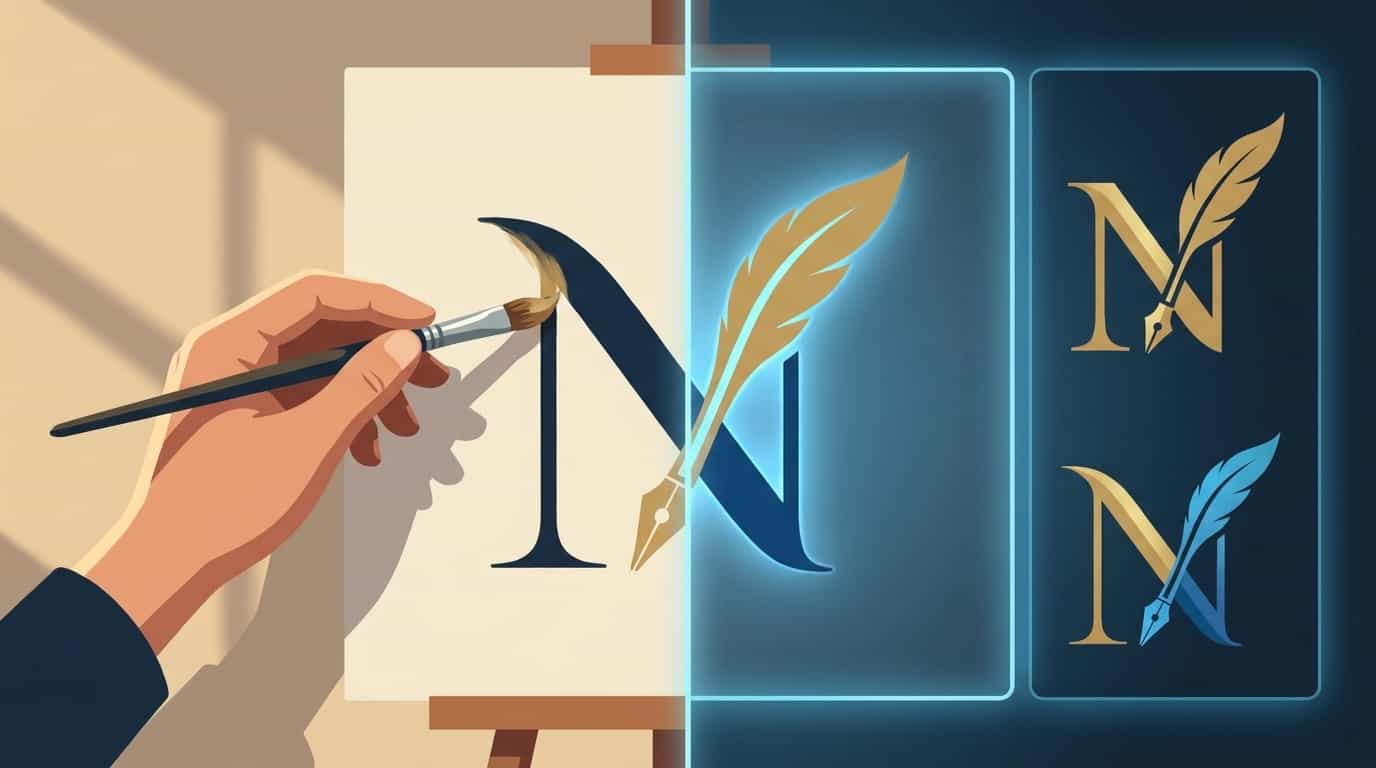
AI Art in 2026: The Ethics, Law, and What Artists Should Know
The Year AI Art Got Serious Legal Consequences
In 2025 and into 2026, the AI art debate shifted decisively from philosophical to legal and commercial. The European AI Act, now in active enforcement, requires disclosure of training data sources for AI systems — a direct response to the widespread scraping of copyrighted artwork used to train image generators like Midjourney, Stable Diffusion, and DALL-E. In the United States, several landmark lawsuits from artists' groups against AI companies are proceeding through federal courts. The outcomes will shape the creative economy for decades.
Meanwhile, the tools themselves have advanced dramatically. Midjourney V7, released in early 2026, produces images of extraordinary photorealism and stylistic range. Adobe Firefly — trained exclusively on licensed content — has become the enterprise standard for commercially safe AI image generation. The divide between "ethically sourced" and "scraped" training data is now a genuine market differentiator.
The Copyright Battles Shaping 2026
In 2023, the US Copyright Office ruled that purely AI-generated images cannot be copyrighted without significant human creative input. This ruling stands in 2026, though the definition of "significant human creative input" is being tested in ongoing litigation. For professional artists and designers, the practical implication is: if you want to own your AI-assisted work, document your creative direction process thoroughly — prompts, iteration history, post-processing steps.
AI art in 2026 is shaped by major copyright lawsuits, EU AI Act training data disclosure requirements, and the dominance of Adobe Firefly for commercially safe generation. Human artists retain irreplaceable advantages in original vision, physical craft, and cultural authorship. The market has split: generic digital stock is disrupted, while original personal work retains strong value.
The EU AI Act mandates that high-risk AI systems disclose their training data. AI image generators are classified under this framework, which means European users now have greater transparency about what images trained the models they are using. Adobe Firefly's "commercially safe" positioning — trained only on Adobe Stock, openly licensed content, and public domain material — has become a template other companies are following under regulatory and market pressure.
Where Human Artists Hold an Irreplaceable Advantage
Original Vision and Cultural Authorship
AI generates by pattern prediction from existing work. It has no life experience, no cultural context, no genuine suffering or joy to draw from. The artists whose work commands premium prices and cultural relevance in 2026 are those whose personal vision, lived experience, and singular perspective create work that cannot be prompted into existence. Collectors, galleries, and serious buyers increasingly understand and explicitly value this distinction.
Performance, Installation, and Physical Work
Street art, live painting, sculpture, ceramics, textile work, and performance art are inherently human and physical. The AI disruption is concentrated in digital illustration and stock imagery. Traditional and physical art forms have been largely unaffected and, in some markets, have seen renewed collector interest precisely as a counterpoint to AI ubiquity.
How Professional Artists Are Adapting in 2026
The artists thriving in 2026 have largely adopted one of three strategies. The first is AI integration: using tools like Firefly, Midjourney, or Krea.ai for rapid concept exploration, reference generation, and background elements, while bringing deep personal craft and vision to the final work. The second is explicit differentiation: marketing their work explicitly as hand-made, human-created, and process-oriented. The third is advocacy and legal action: joining class actions, lobbying for stronger copyright protections, and participating in the policy conversation.
The State of the Market: What Is Actually Selling
AI-generated stock imagery has collapsed the bottom of the stock photography and illustration market. Shutterstock, Getty, and Adobe now offer AI image generation directly, cutting out independent illustrators who once sold generic lifestyle and business imagery. This segment of the market is genuinely, permanently disrupted.
Original digital art with strong personal authorship, fine art prints with documented provenance, NFT-era infrastructure repurposed for authenticated limited editions, and commissioned creative work requiring close client collaboration — these segments remain robust and in several cases are growing.
Frequently Asked Questions
Can AI-generated images be used commercially in 2026?
In most jurisdictions, yes — but with important caveats. Work generated using tools trained on unlicensed data carries infringement risk in markets where lawsuits are proceeding. Adobe Firefly-generated content carries an explicit indemnification from Adobe for commercial use. Check each tool's commercial license terms carefully.
Is it ethical to use AI art tools?
Ethics here is genuinely contested. Using licensed-data tools like Firefly is broadly considered acceptable. Using tools trained on non-consenting artists' work is more ethically fraught. Passing AI-generated work off as hand-drawn to clients or buyers who believe it is hand-made is widely considered deceptive. Transparency with buyers and commissioners is the clearest ethical standard available in 2026.
What art skills are most future-proof?
Art direction and creative conceptualisation, physical craft skills (ceramics, textiles, printmaking), client relationship and brief interpretation, cultural commentary and original vision, and the ability to work effectively alongside AI tools while maintaining a distinctive personal voice.
AI art 2026, AI art copyright law, AI generated images ethics, Adobe Firefly commercial use, Midjourney V7, EU AI Act art, AI art vs human art, can AI art be copyrighted, AI image generator lawsuit, future proof art skills, AI art training data, digital illustrators AI disruption, ethically sourced AI art, human artists vs AI, AI art market 2026, stable diffusion copyright, AI art for commercial use, professional artists AI tools