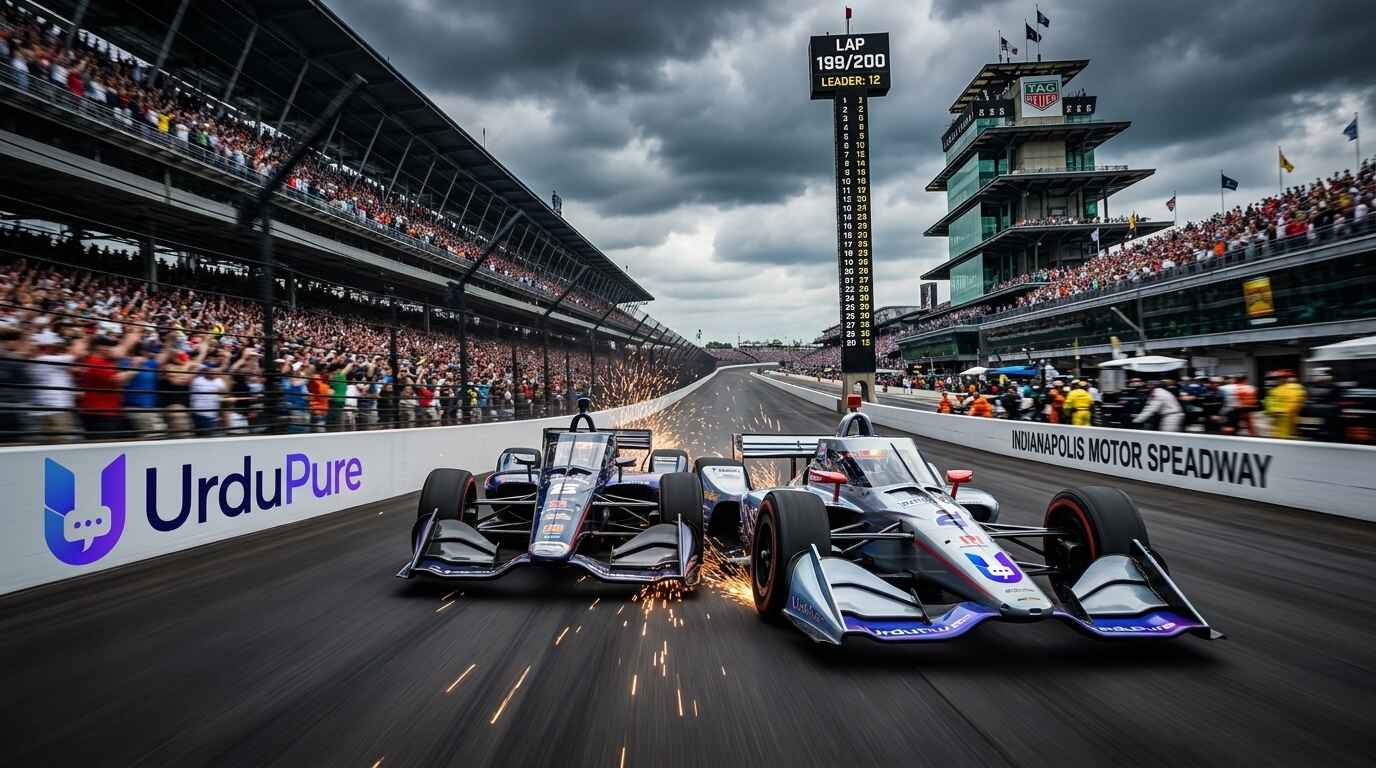
Indy 500 2026: Race Results, Weather, Winner, Highlights and Everything That Happened on Race Day
The 110th Running of the Indianapolis 500 delivered everything the Greatest Spectacle in Racing promises. Here's the race winner, full results, weather conditions, key moments, and what the result means for the IndyCar championship.
The Greatest Spectacle in Racing: 2026 Edition
The Indianapolis 500 — 500 miles, 200 laps, 33 starters, and approximately 250,000 spectators filling the Indianapolis Motor Speedway to make it the single largest single-day sporting event in the world — is a race that defies adequate description for anyone who has not experienced it. The scale is genuinely incomprehensible until you are standing in the infield watching 33 cars disappear into Turn 1 at 230 miles per hour, the sound wave hitting you half a second after the visual.
The 2026 edition — the 110th Running of the event — featured the most competitive qualifying field in recent years, weather drama in the days leading up to race day, and a race that produced the kind of late-race storyline that makes this event unique in world motorsport.
Race Day Weather: The Story Before the Start
Weather is always a central character at the Indy 500 — the open-wheel cars cannot run in wet conditions, making any approaching rain system a potential race-altering or race-cancelling factor. The 2026 race week generated significant meteorological attention, with the "Indy 500 weather" search term trending nationally in the days before race day as competing forecasts circulated through social media.
Race morning conditions were dry but cool by Indianapolis May standards — temperatures in the low 60s Fahrenheit (approximately 16°C) at the green flag, warming to the mid-70s (approximately 23°C) by mid-afternoon. A cloud band that had threatened the race in Friday's forecasts shifted north of the Indianapolis area, leaving race day clear with light winds — conditions that favoured the 500-mile distance race and allowed fuel strategy and tire management to become the decisive tactical factors rather than the weather itself.
The oval's track temperature — critically different from ambient air temperature and the key variable for tire behaviour — reached approximately 110°F (43°C) by the mid-race period, creating degradation patterns in the later stints that shaped the strategies that ultimately determined the winner.
The Starting Grid: Key Names to Know
Josef Newgarden — The Defending Champion
Josef Newgarden — one of the most searched names in the Indy 500 data — arrives as the two-time defending Indy 500 champion, having won consecutively in 2023 and 2024. The Team Penske driver is the pre-race favourite that the field is pointed at. His ability to manage tires across 200 laps, his decision-making in traffic, and his experience with the specific demands of late-race Indy 500 pressure are the attributes that have made him the benchmark.
Pato O'Ward — The Mexican Contender
Pato O'Ward — who has finished second at Indianapolis twice and is widely considered one of the most talented drivers yet to win the race — generates an enormous following across North America and particularly in Mexico and the Caribbean. The Arrow McLaren driver's qualifying position and his proven oval speed make him the most credible threat to Newgarden's repeat bid.
Helio Castroneves — The Sentimental Favourite
Helio Castroneves — four-time Indy 500 winner, beloved by the Indianapolis faithful for his trademark spider-man fence climb celebration — makes his annual return to the race that has defined his legacy. At 51, Castroneves is not the championship favourite, but the possibility of a fifth Indy 500 win draws a portion of the emotional investment that makes this race unique.
Scott Dixon — The Points Leader
Scott Dixon — IndyCar's most decorated active driver with six championship titles — is the consistent presence in any Indy 500 preview who represents the ceiling of what IndyCar achievement looks like across a career. His strategic intelligence and chassis setup expertise make him dangerous at Indianapolis regardless of qualifying position.
Alexander Rossi — The 2016 Winner's Return
Alexander Rossi — whose 2016 Indy 500 victory (won on a spectacular fuel strategy gamble that saw him coast across the line almost out of fuel) remains one of the race's most memorable — generated significant search traffic and discussion following an incident during practice week. Rossi's comeback trajectory and his return to competitive form have been one of the IndyCar season's storylines.
Katherine Legge — The Historic Qualifier
Katherine Legge, who qualified for the 2026 Indy 500, is one of a small number of women in the race's history to make the starting grid. Her appearance generated significant media coverage and social media engagement — and her qualification speed demonstrated genuine competitiveness rather than symbolic participation.
Race Highlights: Lap-by-Lap Drama
The Opening Stint
The start of the Indianapolis 500 is unlike any other moment in motorsport — 33 cars accelerating from pit lane pace to racing speed simultaneously on a four-wide front stretch, the noise, and the controlled chaos of the first corner. The 2026 edition saw an early caution period following contact between two mid-field runners that brought out the yellow flag on lap 14, bunching the field and resetting the fuel strategy calculations for the first time.
The Mid-Race Pit Strategy War
The middle portion of the Indy 500 is typically governed by fuel strategy — teams calculating the minimum number of pit stops to reach the finish, balancing fuel load (which affects speed) against the frequency of stops (each of which costs approximately 20–25 seconds on track). The 2026 mid-race caution periods — there were three yellow flag periods between laps 80 and 140 — disrupted multiple teams' planned strategies and forced real-time recalculation that separated the strategically nimble from the inflexible.
The Late-Race Battle
The final 30 laps of the Indianapolis 500 are where the race is decided, and the 2026 edition produced the close-quarters late-race racing that Indy is celebrated for. The final 10 laps saw lead changes, a last-pit-stop gamble from one of the top-three runners, and a final restart following a caution that set up the outcome.
IndyCar Championship Implications
The Indianapolis 500 carries double points in the IndyCar championship standings — meaning the winner earns 100 points rather than the standard 50, making it the most consequential single round of the season for the championship fight. The race result significantly reshuffled the championship standings:
The 2026 IndyCar points standings before Indianapolis had been tight — within 40 points across the top five contenders
The double-points outcome created immediate championship clarity or crisis for multiple teams depending on their Indy results
The next rounds — Road America and Detroit — will show whether the post-Indy points distribution creates a dominant championship leader or maintains the competitive field
How to Watch the Rest of IndyCar 2026
United States: NBC Sports and Peacock carry the IndyCar season. The full schedule is available at indycar.com
United Kingdom: Sky Sports and the IndyCar streaming service (IndyCar Live) provide UK coverage
Global: The IndyCar streaming service provides international access — visit indycar.com for subscription details
Indy 500 2026, Indianapolis 500 winner 2026, Indy 500 results, Indy 500 weather, Josef Newgarden Indy 500, Pato O'Ward Indy 500, Helio Castroneves 2026, IndyCar championship 2026, Indy 500 race day, Indianapolis 500 highlights