Raw Dog Food in 2026: Vet-Backed Guide to Getting It Right
Why Raw Feeding Is Still Growing in 2026
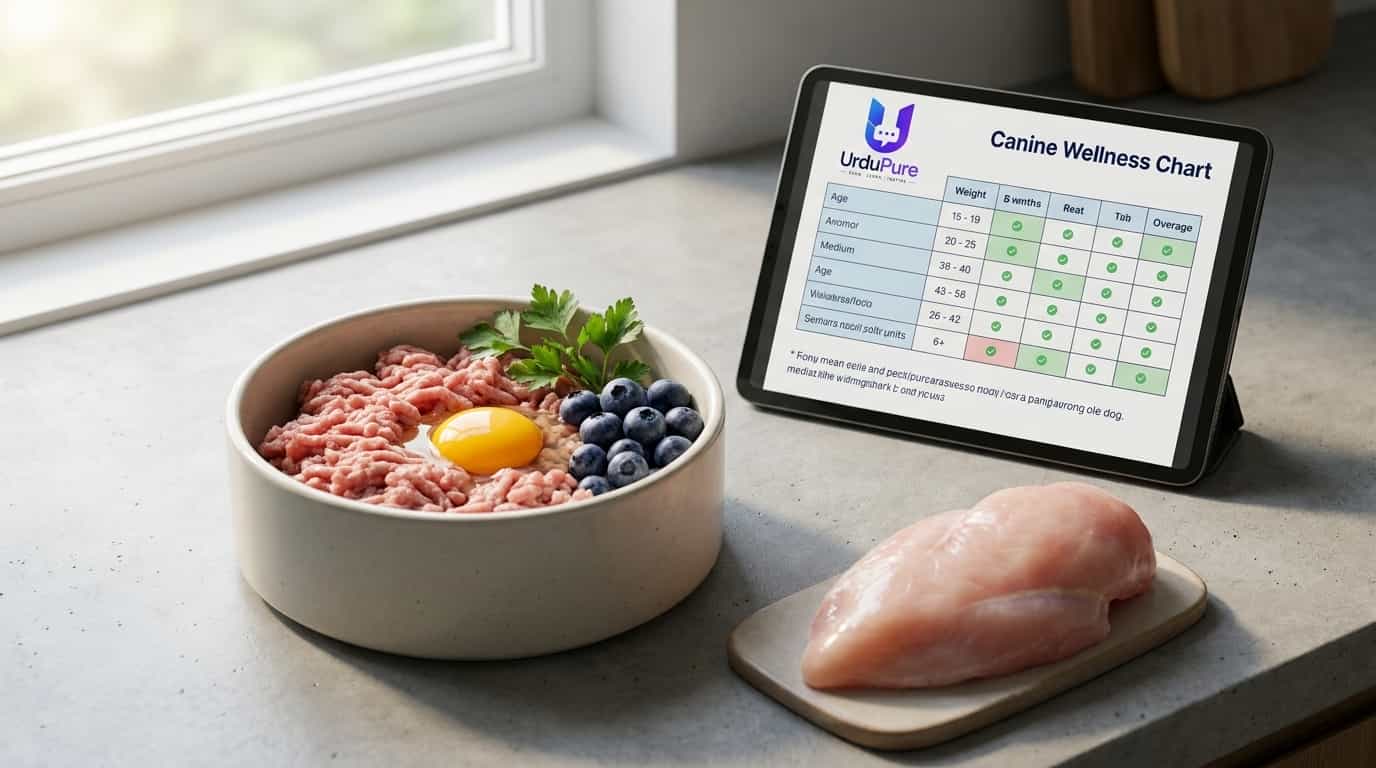
Interest in raw dog food continues to accelerate in 2026, driven by a broader cultural shift toward whole, minimally processed food — for humans and their pets. The global raw pet food market is projected to reach $22 billion by 2027, growing at over 14 percent annually. Search interest in "raw dog food" has increased 45 percent year-over-year, and the category has become one of the fastest-growing segments of the $150 billion global pet industry.
What has changed in 2026 is the quality of the evidence base and the maturation of the commercial sector. High-pressure processing (HPP) technology is now standard among premium raw brands, significantly reducing pathogen risk while preserving nutritional value. And a growing number of integrative veterinarians are offering structured guidance on raw feeding rather than blanket discouragement.
The Real Benefits — What the Evidence Says
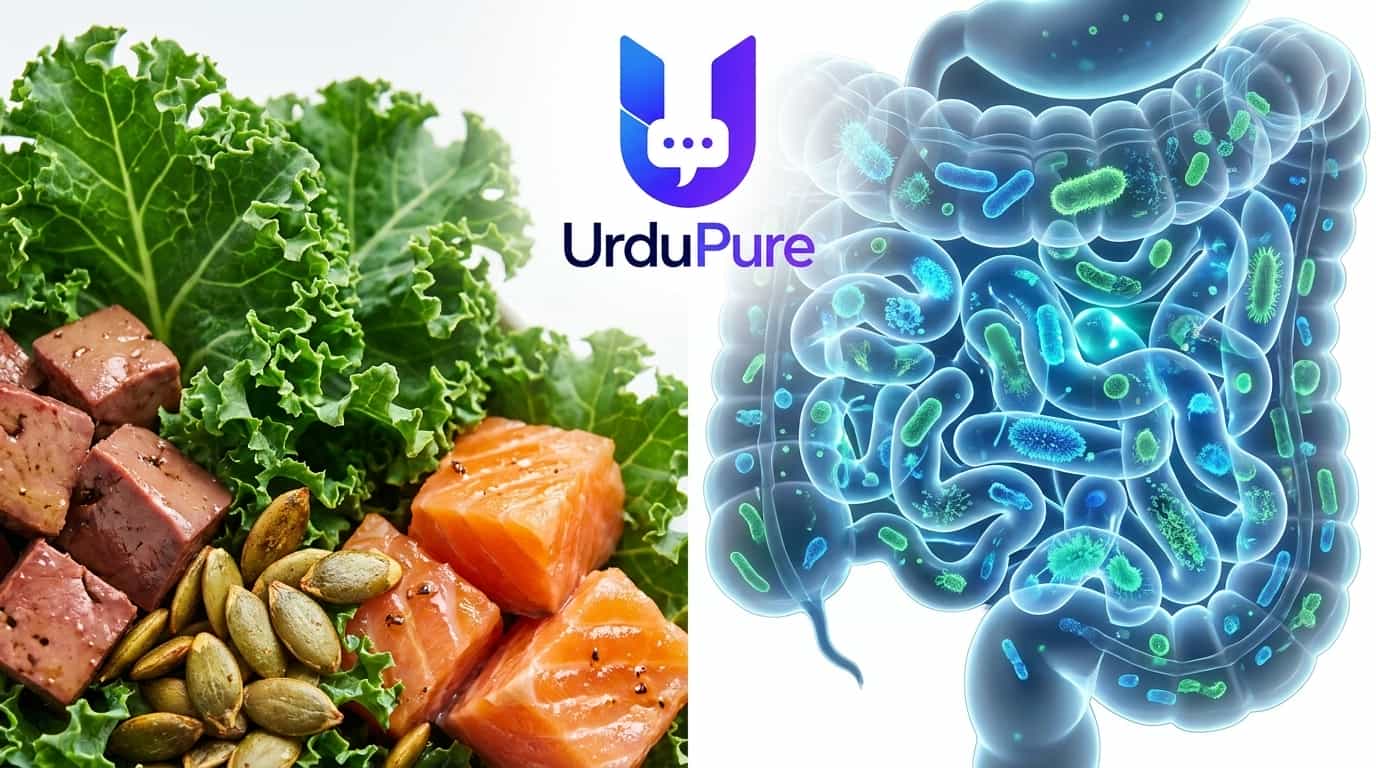
A 2022 study published in PLOS ONE documented significantly higher gut microbiome diversity in dogs fed raw meat-based diets versus kibble-fed dogs. More recent observational studies (2024-2025) from European veterinary institutions have associated raw or minimally processed diets with lower rates of atopic dermatitis, obesity, and certain gastrointestinal disorders. Commonly reported owner observations include improved coat quality and skin health, firmer and less odorous stools, higher energy levels, and improved dental health through natural chewing of raw meaty bones.
It is important to note that most studies are observational, not controlled trials. Correlation does not equal causation, and well-formulated commercial kibble absolutely supports healthy long lives in millions of dogs.
The Risks You Must Not Ignore
Bacterial Pathogens
Raw meat carries Salmonella, Listeria monocytogenes, E. coli O157:H7, and Campylobacter. While healthy adult dogs generally handle these bacteria with fewer clinical signs than humans, they shed them in their faeces and saliva — posing a genuine risk to vulnerable household members including children under 5, adults over 65, pregnant women, and immunocompromised individuals. The FDA, AVMA, and British Veterinary Association all cite this as the primary reason for caution.
Nutritional Imbalance
Homemade raw diets frequently fail to meet AAFCO nutritional standards. Calcium-to-phosphorus ratios, zinc, iodine, and fat-soluble vitamin levels are common deficiency areas. Over months, these deficiencies cause serious developmental and organ damage. A veterinary nutritionist consultation — or adherence to AAFCO-compliant commercial raw products — is not optional; it is essential.
Bone Hazards
Raw bones are safer than cooked bones, but not risk-free. Dental fractures are the most common injury. Always supervise, match bone size to dog size, and never feed load-bearing bones from large animals (beef femurs) which are among the hardest materials a dog can encounter.
The Best Commercial Raw Dog Food Brands in 2026
HPP (High-Pressure Processing) brands are the safest commercial option as they eliminate pathogens without heat. Top-rated options in 2026 include: Primal Pet Foods (US, HPP, AAFCO compliant, wide protein variety); Darwin's Natural Pet Products (subscription model, vet-formulated, HPP); Steve's Real Food (frozen and freeze-dried, HPP, available nationwide); Nutriment (UK market leader, HPP, independently third-party tested); and Big Country Raw (Canada, excellent quality control).
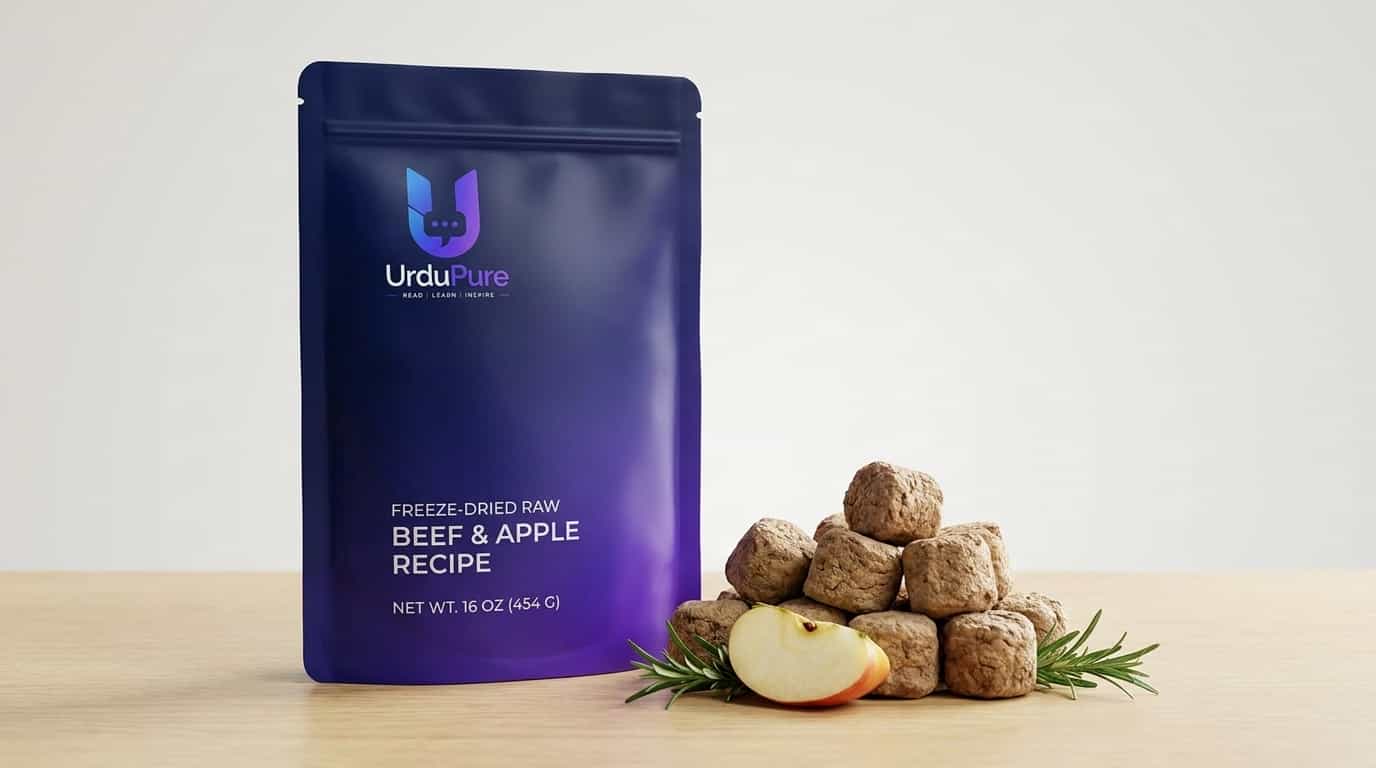
Freeze-dried raw is an increasingly popular option — it offers the nutritional profile of raw with the convenience and safety of a shelf-stable product. Brands like Stella & Chewy's, Primal, and Ziwi Peak are well-regarded.
A Safe Raw Feeding Framework
For a 10 kg adult dog, start with 2 to 2.5 percent of body weight daily (200-250g). Begin with a single protein source (chicken is lowest risk) for two to three weeks before introducing variety. Target a rough ratio of 70 percent muscle meat, 10 percent raw edible bone, 10 percent organ meat (half of which should be liver), and 10 percent vegetables and eggs. Always transition gradually. Always work with your vet.
Frequently Asked Questions
Is raw feeding safe for puppies?
Higher risk than adults due to developing immune systems and strict calcium/phosphorus ratio requirements for bone development. Only undertake with direct veterinary nutritionist guidance. Commercially formulated raw diets for puppies from reputable HPP brands are safer than homemade.
Can I mix raw and kibble?
Debated in the raw feeding community. Some practitioners worry about pH differences affecting digestion; others see no evidence of harm. If you do combine them, feed as separate meals rather than mixing in the same bowl. Monitor stool quality closely.
How do I handle raw food safely?
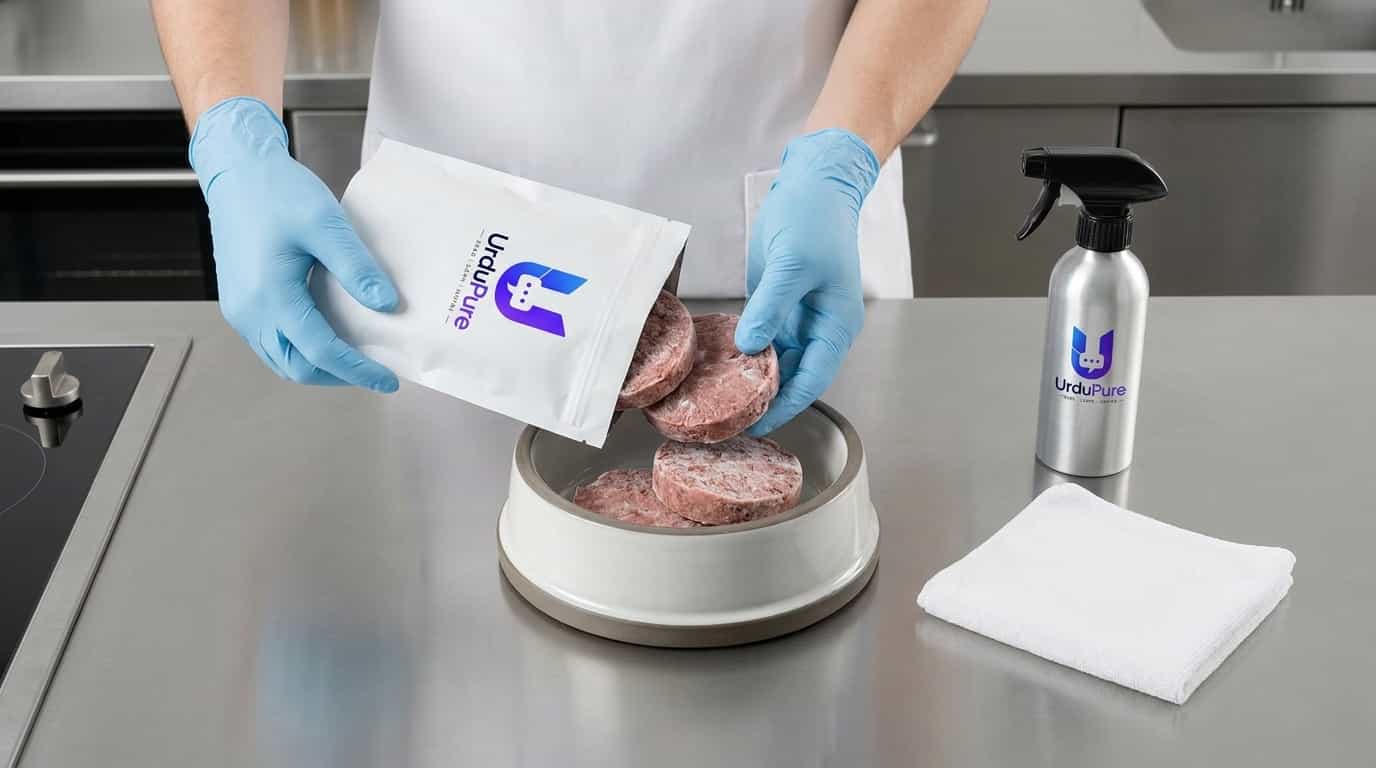
Treat it like raw meat for human consumption. Wash hands thoroughly before and after. Disinfect preparation surfaces. Use a dedicated bowl. Thaw in the refrigerator, never at room temperature. Store frozen until 24-48 hours before use. Keep away from ready-to-eat human food.
raw dog food 2026, BARF diet dogs 2026, best raw dog food brands, raw feeding safety, is raw diet good for dogs, raw dog food recipes, commercial raw dog food, HPP raw dog food, raw vs kibble dogs