2026 FIFA World Cup: The Complete Fan Guide — Schedule, Host Cities, Tickets, Transit and Who Will Win
The Biggest Sporting Event in Human History Starts in 11 Days
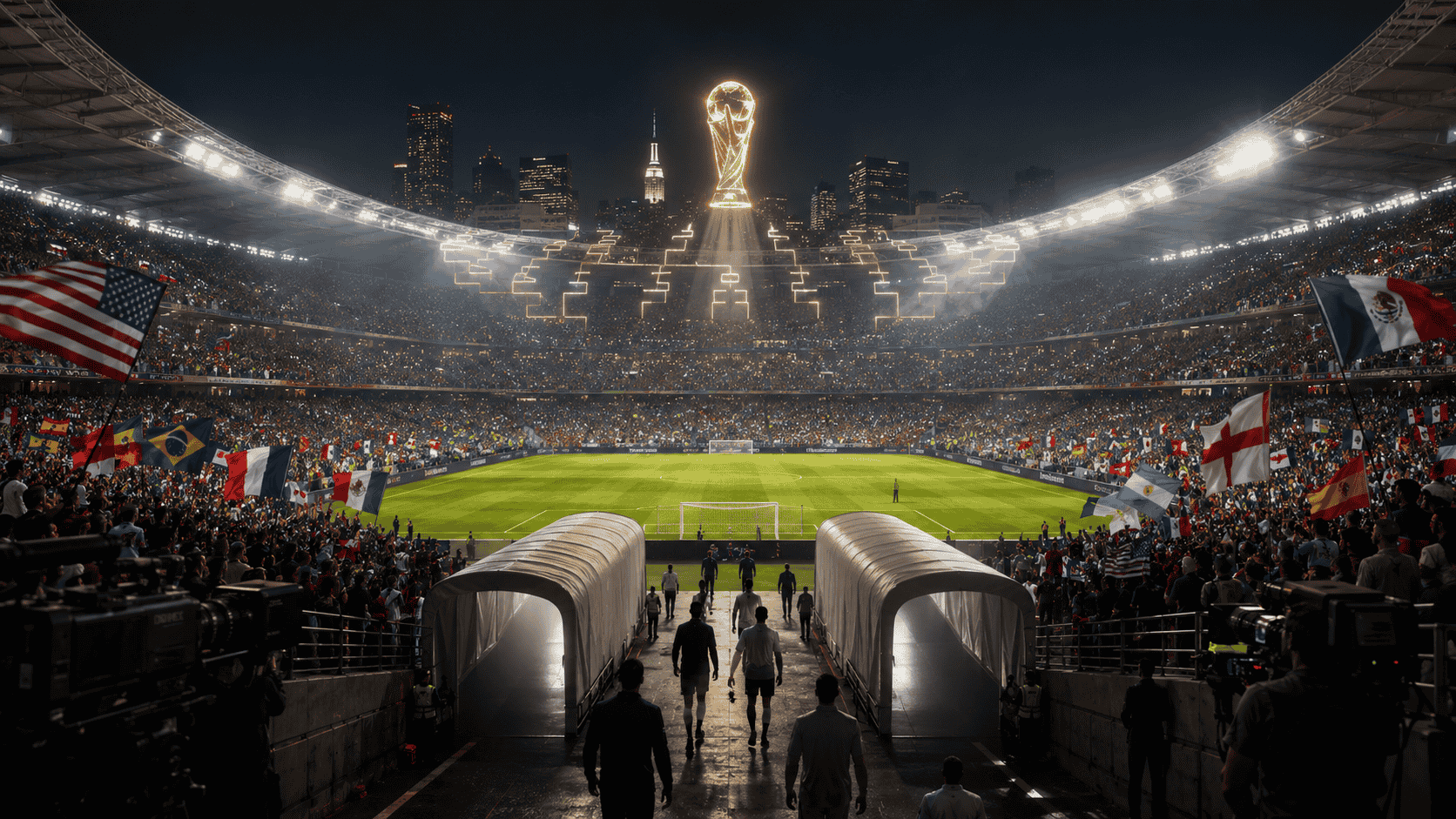
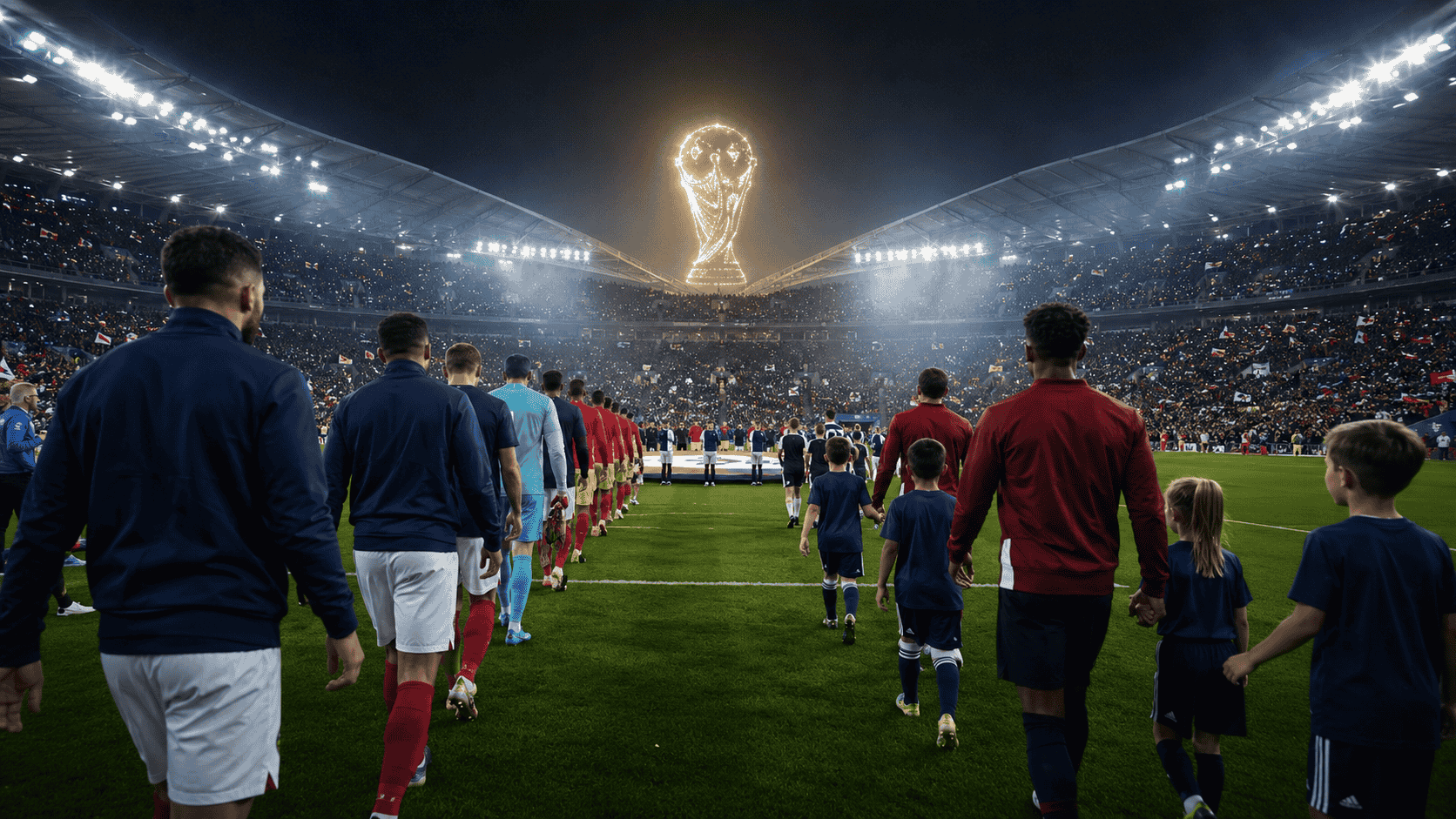
On June 11, 2026, Mexico City's Estadio Azteca will host the opening match of the 2026 FIFA World Cup — and the single most-watched sporting event on earth will begin its month-long journey through sixteen host cities across three countries, producing 104 matches, the crowning of a world champion from among 48 competing nations, and the collective experience of roughly half the human population tuning in to watch at some point before the final whistle of the championship match on July 19.
This is not hyperbole. The 2022 Qatar World Cup's final between Argentina and France was watched by approximately 1.5 billion people simultaneously. The 2026 edition, with the expanded 48-team format providing more matches and more nations involved, is expected to surpass that figure. The tournament's North American location — three interconnected host nations sharing time zones that are genuinely accessible for the world's largest television market — makes this the most commercially significant World Cup in the tournament's 96-year history.
If you're reading this, you're either already planning and need specifics, or you're beginning to plan and need everything. This guide gives you both.
When Does the 2026 World Cup Start and Finish?
Tournament opens: Thursday, June 11, 2026 — Opening match at Estadio Azteca, Mexico City
Group stage runs: June 11 – June 27, 2026
Round of 32 (new this year): June 29 – July 3, 2026
Round of 16: July 4 – July 7, 2026
Quarter-finals: July 9 – July 11, 2026
Semi-finals: July 14 – July 15, 2026
Third place match: July 18, 2026
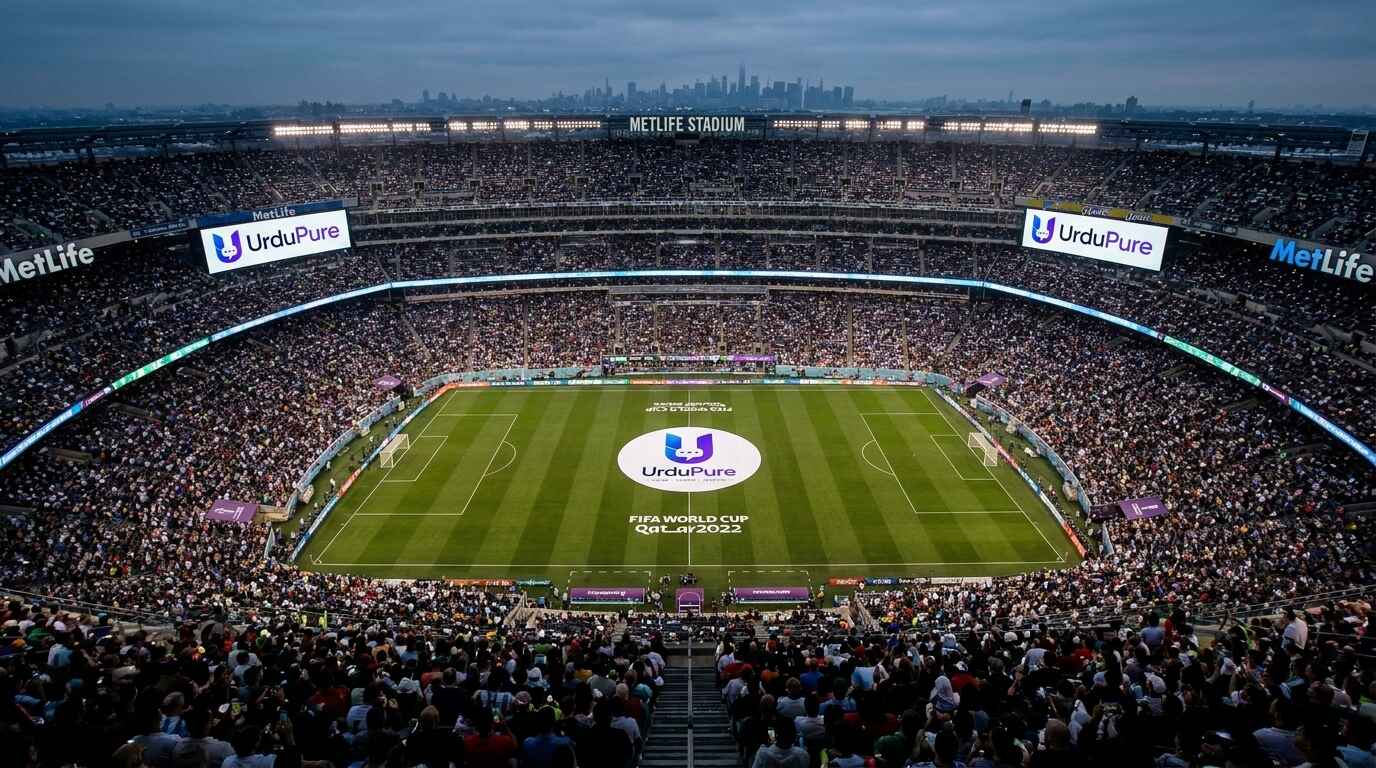
World Cup Final: Sunday, July 19, 2026 — MetLife Stadium, East Rutherford, New Jersey (New York metro area)
The World Cup Final at MetLife Stadium is the most logistically and commercially significant single sporting event in US history — not an exaggeration, based on projected attendance (82,500 in the stadium, millions in the New York metro area), media coverage (every major global broadcaster), and the economic activity in the New York-New Jersey area across the final weekend. Planning for the final is discussed in detail in the NYC section below.
The 16 Host Cities: Full Guide
United States Host Cities
The United States is hosting 11 venues — the largest share of any host nation, reflecting both the country's size and the commercial weight of the US market in FIFA's calculus.
MetLife Stadium, East Rutherford, NJ (New York): 11 matches including the Final. Capacity: 82,500. The most important stadium in this World Cup. Located in New Jersey but serving the New York market.
AT&T Stadium, Arlington, TX (Dallas/Fort Worth): 9 matches. Capacity: 80,000. One of the most technologically sophisticated stadia in the world — the retractable roof is critical for Texas June/July temperatures.
SoFi Stadium, Inglewood, CA (Los Angeles): 8 matches. Capacity: 70,240. The newest and most architecturally striking US venue. LA's entertainment infrastructure surrounds it.
Levi's Stadium, Santa Clara, CA (San Francisco Bay Area): 8 matches. Capacity: 68,500.
Hard Rock Stadium, Miami Gardens, FL: 8 matches. Capacity: 65,326.
Lincoln Financial Field, Philadelphia, PA: 8 matches. Capacity: 69,796.
Arrowhead Stadium, Kansas City, MO: 7 matches. Capacity: 76,416. Home of the Kansas City Chiefs — Patrick Mahomes' stadium as a World Cup venue is a delicious cultural collision.
Lumen Field, Seattle, WA: 8 matches. Capacity: 72,000.
Gillette Stadium, Foxborough, MA (Boston): 8 matches. Capacity: 65,878.
NRG Stadium, Houston, TX: 8 matches. Capacity: 72,220.
Bank of America Stadium, Charlotte, NC: 7 matches. Capacity: 74,867.
Canada Host Cities
BC Place, Vancouver, BC: 8 matches. Capacity: 54,500.
BMO Field, Toronto, ON: 7 matches. Capacity: 45,621 (temporarily expanded).
Mexico Host Cities
Estadio Azteca, Mexico City: 8 matches including the Opening Match. Capacity: 87,523. The only stadium to host three World Cups (1970, 1986, 2026).
Estadio BBVA, Monterrey: 7 matches. Capacity: 53,500.
Estadio Akron, Guadalajara: 7 matches. Capacity: 49,850.
NYC World Cup 2026: The Complete Transit and Fan Guide
The New York metro area is hosting the World Cup's most important matches — including the Final. Navigating the New York-New Jersey transit infrastructure as an international fan requires specific planning that is different from attending domestic sports events.
Getting to MetLife Stadium
MetLife Stadium is in East Rutherford, New Jersey — not New York City. It is not directly served by the NYC subway. There are two primary transit options:
NJ Transit Train (most recommended): Direct service from Penn Station, New York (34th Street) on the Meadowlands Rail Line. Journey time: approximately 35 minutes. Service runs specifically for major events at MetLife — trains depart Penn Station approximately 3 hours before kick-off and run continuously after the match until the crowds clear (typically 1–2 hours post-final whistle). One-way fare: approximately $15–$20.
Meadowlands Express Bus: Bus service from Port Authority Bus Terminal (42nd Street, Manhattan) and from several New Jersey transit hubs. Journey time: 30–45 minutes from Port Authority depending on traffic. Less predictable than rail for post-match departure times.
Driving — NOT recommended for finals and marquee matches: MetLife's parking infrastructure handles domestic NFL events; the World Cup's international fan base creates parking demand significantly beyond normal capacity. Ride-share surge pricing at peak match-day hours in the East Rutherford area is substantial. For any match with high-demand teams (including the Final), leaving your car at home is the correct decision.
NYC World Cup Fan Zones
New York City's official FIFA Fan Fest locations — free entry, live screenings on giant screens, food, merchandise, and entertainment — are confirmed at:
Central Park (Great Lawn area): Capacity up to 80,000. The primary outdoor fan zone for the New York metro area.
Times Square: Extended pedestrianised zone with giant screens. Entry unrestricted but capacity naturally limited by the square's geography.
Brooklyn Bridge Park: Sunset Park area with Manhattan skyline backdrop. Particularly popular for evening matches.
World Cup Tickets: The Real State of the Market
Official FIFA ticket allocations for the vast majority of matches — including the semi-finals and final — have been exhausted through the primary sale processes. The secondary market is the primary access route for tickets in May/June 2026.
Secondary market platforms:
FIFA's Official Resale Platform (tickets.fifa.com/resale): The only resale platform guaranteed to provide authentic tickets. Prices reflect market rates. This is the safest secondary market option.
StubHub: The largest third-party resale marketplace with significant World Cup inventory. FIFA Authenticity Guarantee partnership for verified ticket transfers.
Viagogo: Global inventory but historically variable buyer protection — check the guarantee terms carefully before purchasing through Viagogo for international events.
Current price ranges (secondary market, May 31, 2026):
Group stage matches, lower-profile fixtures: $180–$450 per ticket
Group stage matches, USA, Brazil, England, Argentina: $350–$900
Round of 16: $500–$1,500
Quarter-finals: $800–$3,000
Semi-finals: $1,500–$6,000
World Cup Final, MetLife Stadium: $3,000–$25,000+ depending on category
The USMNT: What America's Team Needs to Do
The United States Men's National Team enters the 2026 World Cup as a home-tournament host nation with a deeper squad than any USMNT in the post-1994 era — and with legitimate aspirations of reaching the semi-finals for the first time in the programme's history.
The USMNT's final warm-up friendlies — which are the "international friendlies" trending in the current data — have provided both encouragement and anxiety. The starting eleven that head coach Mauricio Pochettino is likely to deploy in the group stage has taken shape across the final preparation matches.
The Key USMNT Players in 2026
Christian Pulisic (captain, AC Milan): The programme's best player, now 27 and at the peak of his powers. His Champions League experience with Milan provides exactly the big-game temperament a World Cup requires.
Folarin Balogun (AS Monaco to be confirmed): The striker question that has haunted the USMNT for a generation may finally have an answer in Balogun, whose goalscoring record at club level has been the most convincing American striker performance in years.
Weston McKennie (Juventus): The engine room of the midfield, providing the defensive work rate and physical presence that frees Pulisic to operate offensively.
Tyler Adams (Leeds United/to be confirmed): If fit — Adams's injury history has been the single most consistent limiting factor in USMNT planning — he is the midfield anchor around whom Pochettino's system functions optimally.
Matt Turner / Patrick Schulte (goalkeeping competition): The goalkeeping position remains the most openly competitive in the squad going into the tournament.
USMNT Group Stage Draw
The US has been drawn in a group that provides a realistic path to the Round of 32 — the new expanded format's equivalent of the Round of 16 in previous tournaments. The specific group details are available at FIFA.com; the USMNT's home-country support advantage across all their group stage matches (all scheduled within the United States) is a significant factor that previous American World Cup campaigns have not had available.
The Group of Death — and Our Bold Tournament Predictions
The Group of Death 2026
Every World Cup produces a group so loaded with quality that only one genuinely strong team can exit. In 2026, the group containing England, France, Brazil, and Argentina — drawn together through FIFA's seeding system in a configuration that multiple officials have suggested was not designed — has generated the most pre-tournament media attention since any group in World Cup history. At least two of these teams will exit before the Round of 16. The specific results will define whether 2026 is remembered as the tournament where the old order was disrupted or where it reasserted itself.
Our Bold Predictions
Tournament winner: France — Kylian Mbappé at 27, in his physical and footballing prime, in a tournament that reaches its Final on the East Coast of the United States at a reasonable European time zone for French television, with a squad depth that no other nation matches. France win their third World Cup.
Runner-up: Brazil — returning to a World Cup Final for the first time since 2002, with a golden generation that has matured without winning the prize that Brazilian football believes is its destiny.
Biggest upset: One of England or Argentina fails to exit their group. The "Group of Death" configuration is too brutal for both to survive.
USMNT: Quarter-finals — the home advantage and tournament infrastructure around them is real. A semi-final would be the most significant result in American soccer history.
Golden Boot: Kylian Mbappé.
Best match of the tournament: The semi-final that determines France's or Brazil's path to the Final — historically, these have been the World Cup's defining encounters.
How to Watch the 2026 World Cup
United States
Fox and FS1: English-language broadcast rights; all 104 matches available across the Fox platforms
Telemundo and Universo: Spanish-language broadcast rights; the most-watched World Cup broadcasts in the US
Peacock and Fubo: Streaming access; Peacock holds streaming rights for Fox's World Cup coverage
United Kingdom
ITV and BBC: Split broadcast rights; the BBC and ITV share coverage as they have for previous major tournaments; free-to-air across both platforms
ITVX and BBC iPlayer: Streaming on both platforms for all UK coverage
Caribbean and Dominican Republic
Univision/TelevisaUnivision: Spanish-language coverage for Latin American and Caribbean markets
Flow Sports: Caribbean broadcaster with World Cup rights
2026 FIFA World Cup, when does the World Cup start, World Cup 2026 schedule, NYC World Cup transit guide, MetLife Stadium World Cup final, USMNT World Cup squad, World Cup tickets 2026, how to watch World Cup 2026, World Cup host cities, Group of Death 2026 World Cup


Discussion
Comments
Approved comments are published after moderation to keep discussion useful and spam-free.
No comments yet. Start the discussion below.