Best Indoor Plants for Low Light and Neglect in 2026
Indoor Plants in 2026: The Market That Never Stopped Growing
Indoor plant ownership has grown continuously since 2020, when pandemic lockdowns drove a houseplant boom that never fully reversed. In 2026, the global houseplant market exceeds $22 billion, and the category that consistently drives the highest search volume is not exotic or rare specimens — it is the plants that survive the realities of real homes: imperfect light, irregular watering, and limited attention.
This guide focuses entirely on that category: the plants that genuinely thrive under neglect, prove forgiving of the most common beginner mistakes, and reward even the most distracted caretakers with year-round beauty. All ten are widely available, affordable, and proven performers in typical home conditions.
1. Pothos (Epipremnum aureum) — The Indestructible Classic
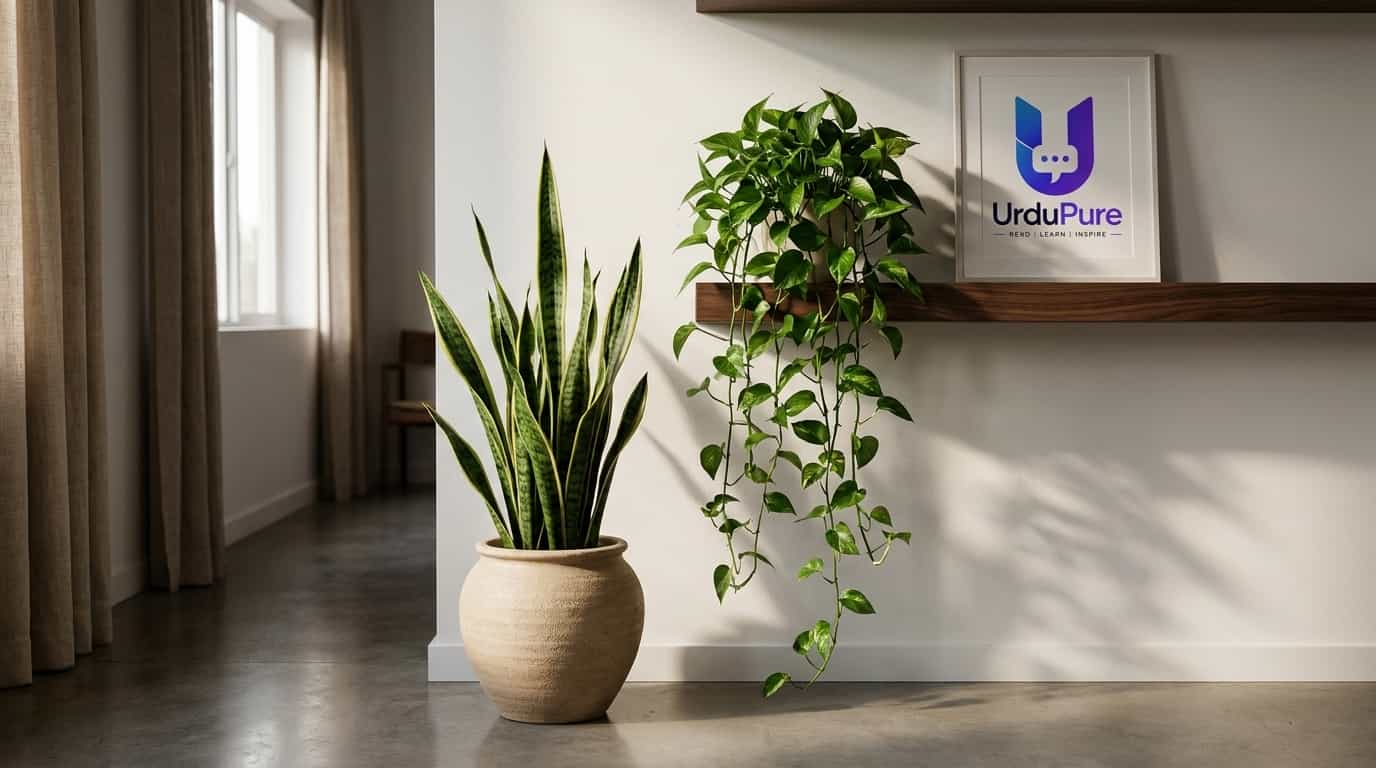
Pothos is the plant that has converted more people into plant owners than any other species. It tolerates low light conditions that would kill most plants, survives weeks without water, grows quickly and visibly, and produces long trailing vines that look spectacular cascading from a shelf or hanging planter. If you have killed plants before and believed you lacked the ability to keep them alive, try a pothos. It will change your mind.
NASA's Clean Air Study identified pothos as one of the most effective plants for removing formaldehyde and benzene from indoor air — though the air purification benefits require a significant number of plants to be measurable at room scale. The aesthetic and psychological benefits of the plant are immediate and require only one.
Care: Water when the top two inches of soil feel dry. Tolerates low light but grows faster in bright indirect light. Propagates effortlessly in water — cut just below a node, place in a glass of water, and you have a new plant within weeks.
2. Snake Plant (Sansevieria / Dracaena Trifasciata) — The Bedroom Champion
The snake plant has an unusual property that makes it particularly valuable in bedrooms: unlike most plants, it produces oxygen at night through a specialised photosynthesis process (CAM — Crassulacean Acid Metabolism). For the same reason, it can survive extremely low light conditions — including north-facing rooms that receive almost no direct light.
It also needs watering only every two to three weeks (less in winter), making it the ideal plant for busy households or frequent travellers. The architectural, upright form of its stiff, variegated leaves works well in contemporary interiors.
Care: The number one way to kill a snake plant is overwatering. Water only when the soil is completely dry. Never let it sit in waterlogged soil. Virtually indestructible in all other respects.
3. ZZ Plant (Zamioculcas Zamiifolia) — The Storage Tank
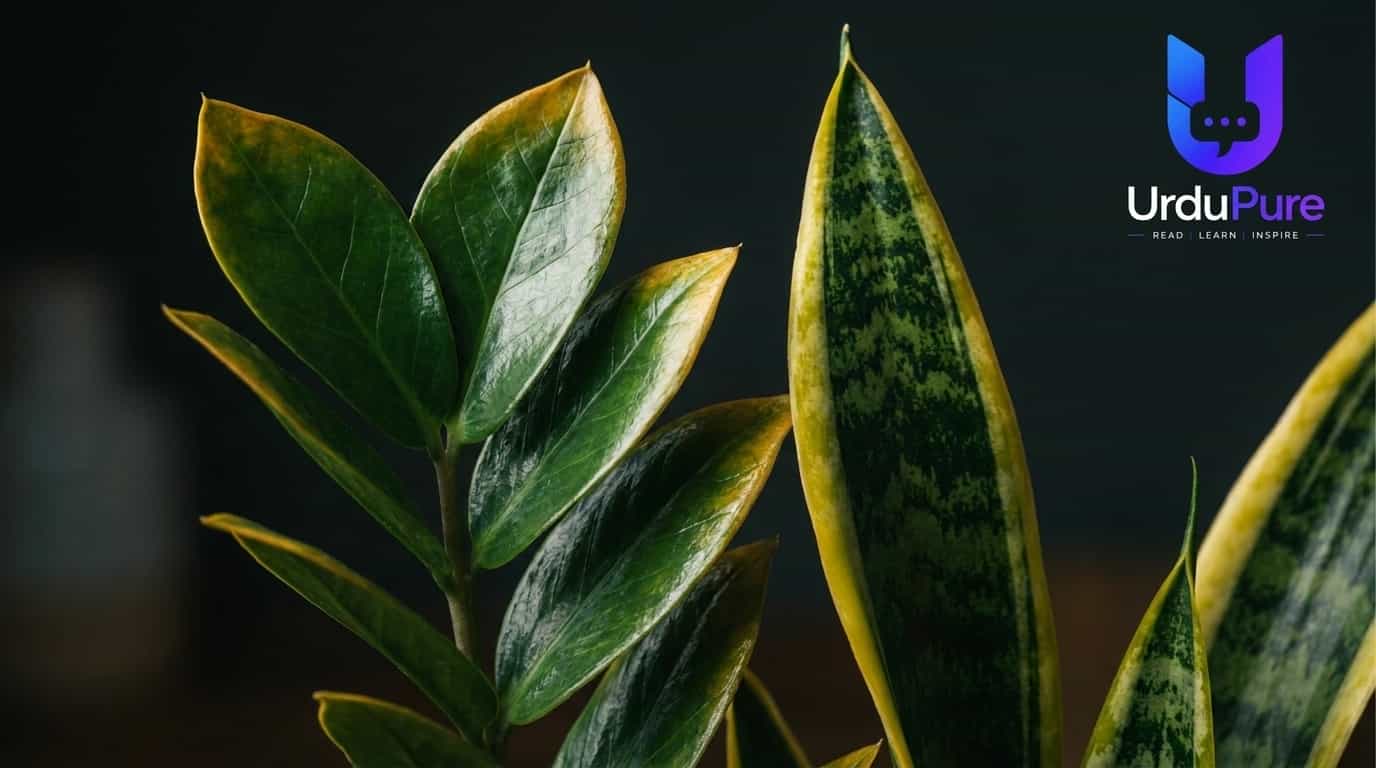
The ZZ plant's survival mechanism is engineered for neglect: it stores water in underground rhizomes, which means it can survive drought for extended periods. Weeks without water? No problem. Low light? Fine. Occasional total forgetfulness? It has seen worse.
The glossy, dark-green leaves are visually striking and require no maintenance. The ZZ is slow-growing, which means it does not outgrow its space quickly, and it is nearly pest-resistant.
Important note: ZZ plants are toxic to cats and dogs if ingested. Keep out of reach of pets.
4. Peace Lily (Spathiphyllum) — The Communicative Plant
Peace lilies are among the most accommodating of flowering indoor plants, tolerating low light conditions that most flowering plants reject outright. Their most useful property for beginner plant owners: they communicate their thirst dramatically. When a peace lily needs water, its leaves droop visibly. Water it, and within hours the plant fully recovers. This makes overwatering — the most common cause of plant death — almost impossible.
White spathe flowers appear in spring and sometimes again in autumn, adding occasional visual interest to a plant that is attractive year-round. Effective at reducing common indoor air pollutants.
Care: Water when the leaves begin to droop. Bright indirect light for more flowers, but will survive and remain attractive in lower light conditions.
5. Spider Plant (Chlorophytum Comosum) — The Air Purifier
One of the most effective air-purifying plants in the NASA study, the spider plant is also one of the easiest to propagate: it produces cascading offshoots ("spiderettes") that can be potted directly in soil to create new plants. A single spider plant can produce dozens of offspring in a year, making it an endlessly renewable household resource.
It tolerates moderate low light and irregular watering, thrives in typical household humidity, and is non-toxic to cats and dogs — an important consideration for the many households where pet-safe plants are a priority.
6. Monstera Deliciosa — The Design World's Favourite
The Monstera deliciosa — with its large, dramatically split leaves — is the most photographed houseplant of the past decade and retains its visual dominance in 2026. It is also significantly easier to care for than its glamorous reputation suggests.
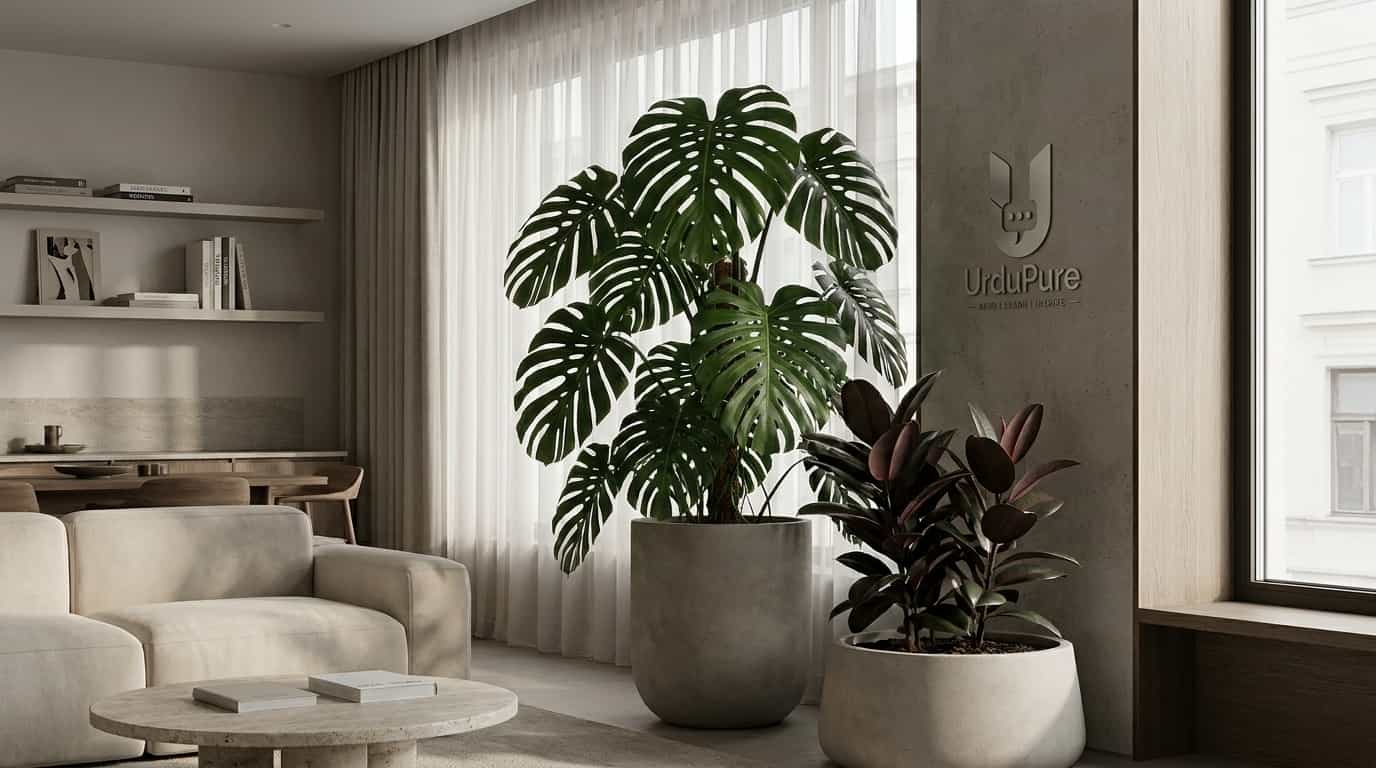
Care: Bright indirect light for best growth (it will survive in lower light but develop fenestrations more slowly). Water when the top two inches of soil are dry. Humidity above 50 percent is appreciated but not required in most UK and European homes. Stake or allow to climb for a more dramatic form; trail for a spreading look. Toxic to pets and humans if ingested.
7. Rubber Plant (Ficus Elastica) — The Architectural Statement
The rubber plant offers something most low-maintenance plants do not: genuine architectural presence. Its large, glossy leaves — particularly the deep burgundy of the Ficus elastica "Burgundy" variety — create the kind of visual impact typically associated with much more demanding species. As it matures, it develops a tree-like structure that anchors a room.
It tolerates lower light than its tropical origins would suggest but grows faster and develops deeper colour in bright indirect light. Water when the top inch of soil is dry. Wipe the large leaves occasionally with a damp cloth to prevent dust accumulation.
8. Aloe Vera — The Practical Plant
Aloe vera is the only houseplant that doubles as a first aid tool. The gel from broken leaves provides immediate relief for minor burns, sunburn, and skin irritation — a practical benefit that justifies growing it on these grounds alone in any kitchen.
It is nearly impossible to kill through neglect: it requires watering only every two to three weeks, prefers bright indirect light, and thrives on being slightly pot-bound. Dramatic overwatering is the primary failure mode — ensure the pot has drainage and the soil dries completely between waterings.
9. Chinese Evergreen (Aglaonema) — The Low-Light Flowering Specialist
Aglaonema tolerates lower light than almost any other flowering plant, making it the ideal choice for shaded corners, north-facing rooms, and office environments. The variegated varieties — featuring combinations of green, pink, red, and cream — add colour that most low-light plants cannot offer.
It is also one of the most effective air-purifying plants and is available in dozens of varieties ranging from entirely green (for the deepest shade) to vibrant pink-red cultivars that require somewhat more light. Toxic to cats and dogs.
10. Heartleaf Philodendron — The Beginner's Best Friend
If pothos is the most forgiving indoor plant, the heartleaf philodendron is its closest rival. Fast-growing, easy to propagate, tolerant of low light, and enthusiastic about trailing from shelves or climbing a moss pole — it is the perfect gateway plant for anyone new to indoor gardening.
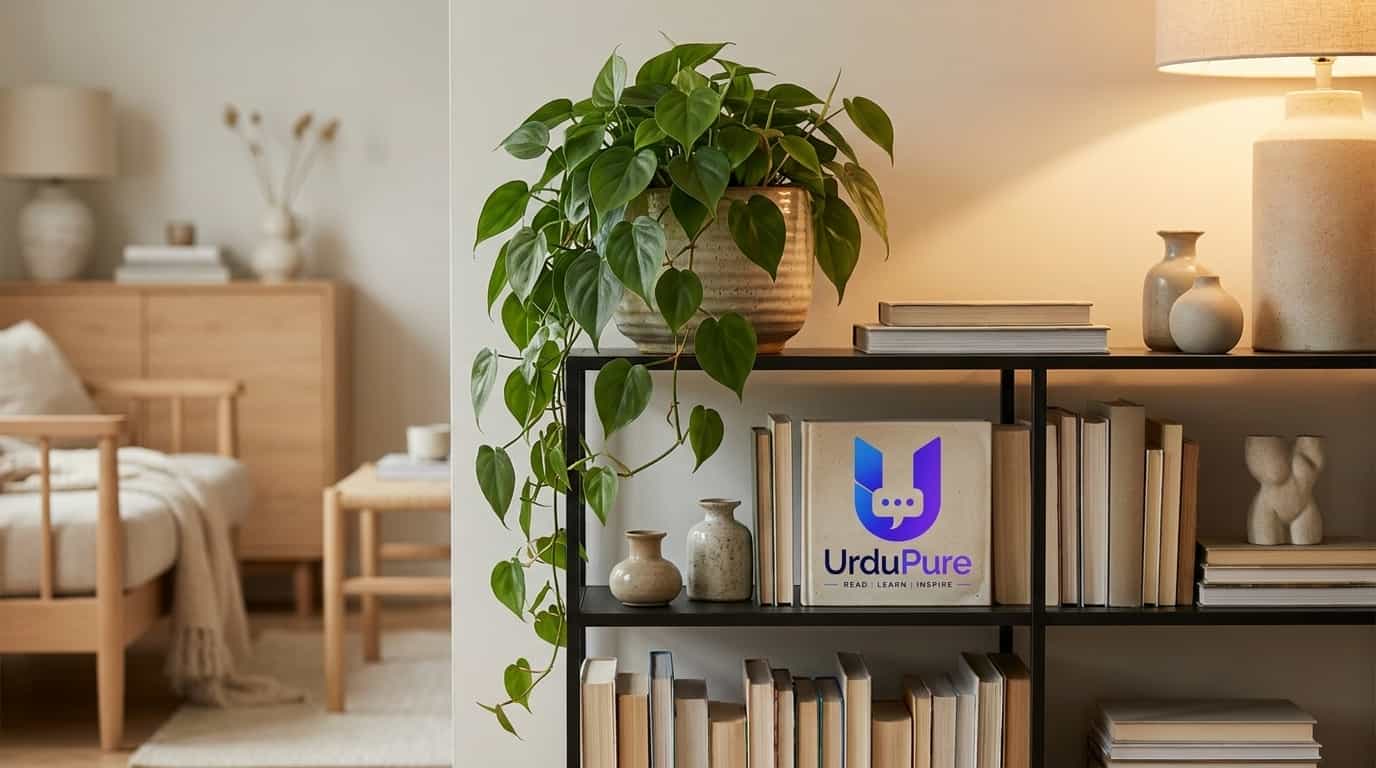
The heart-shaped leaves on long, flexible stems create a lush, tropical aesthetic without any of the tropical plant's typical sensitivity. Water when the top inch of soil is dry and place in any location that receives ambient light. Toxic to pets and children if ingested.
Frequently Asked Questions
Which indoor plant is truly the easiest to keep alive?
The ZZ plant and snake plant compete for this title. Both survive extended drought, low light, and irregular care. If forced to choose: the ZZ plant for its underground water storage that protects it through extended neglect; the snake plant for its tolerance of the darkest possible indoor locations. For visible growth that rewards attention, pothos is the most rewarding beginner plant.
Do air-purifying plants actually work?
The NASA Clean Air Study found that certain plants remove pollutants from air in controlled laboratory conditions. However, subsequent research has found that the number of plants required to meaningfully purify air in a typical room is impractically large — dozens to hundreds of plants per room. The air purification benefit is real but modest in practical household quantities. Plants remain valuable for psychological wellbeing, humidity, and aesthetics regardless of the air purification question.
Which indoor plants are safe for homes with cats?
Pet-safe options from this list: pothos, spider plant, and Boston fern (not on the main list but excellent for humid rooms). Toxic to cats and dogs: ZZ plant, Chinese evergreen (Aglaonema), Monstera, rubber plant (Ficus), heartleaf philodendron, and peace lily. Always verify any plant against the ASPCA toxic plant database before bringing it into a home with pets.
best indoor plants 2026, best low light indoor plants, indoor plants for beginners 2026, snake plant care, pothos plant care, ZZ plant 2026, air purifying plants, best houseplants apartment, easy indoor plants, low light houseplants, low maintenance indoor plants, hard to kill houseplants, unkillable plants, snake plant care, zz plant benefits, pothos care guide, plants that tolerate neglect, pet safe indoor plants, bedroom plants oxygen at night, peace lily care, spider plant propagation, monstera deliciosa care, rubber plant burgundy, indoor plant trends 2026, houseplants for beginners, air purifying plants myth, low light flowering plants, heartleaf philodendron, easy house plants, indoor gardening for beginners, forgiving houseplants, resilient indoor plants, houseplant market 2026





Discussion
Comments
Approved comments are published after moderation to keep discussion useful and spam-free.
No comments yet. Start the discussion below.