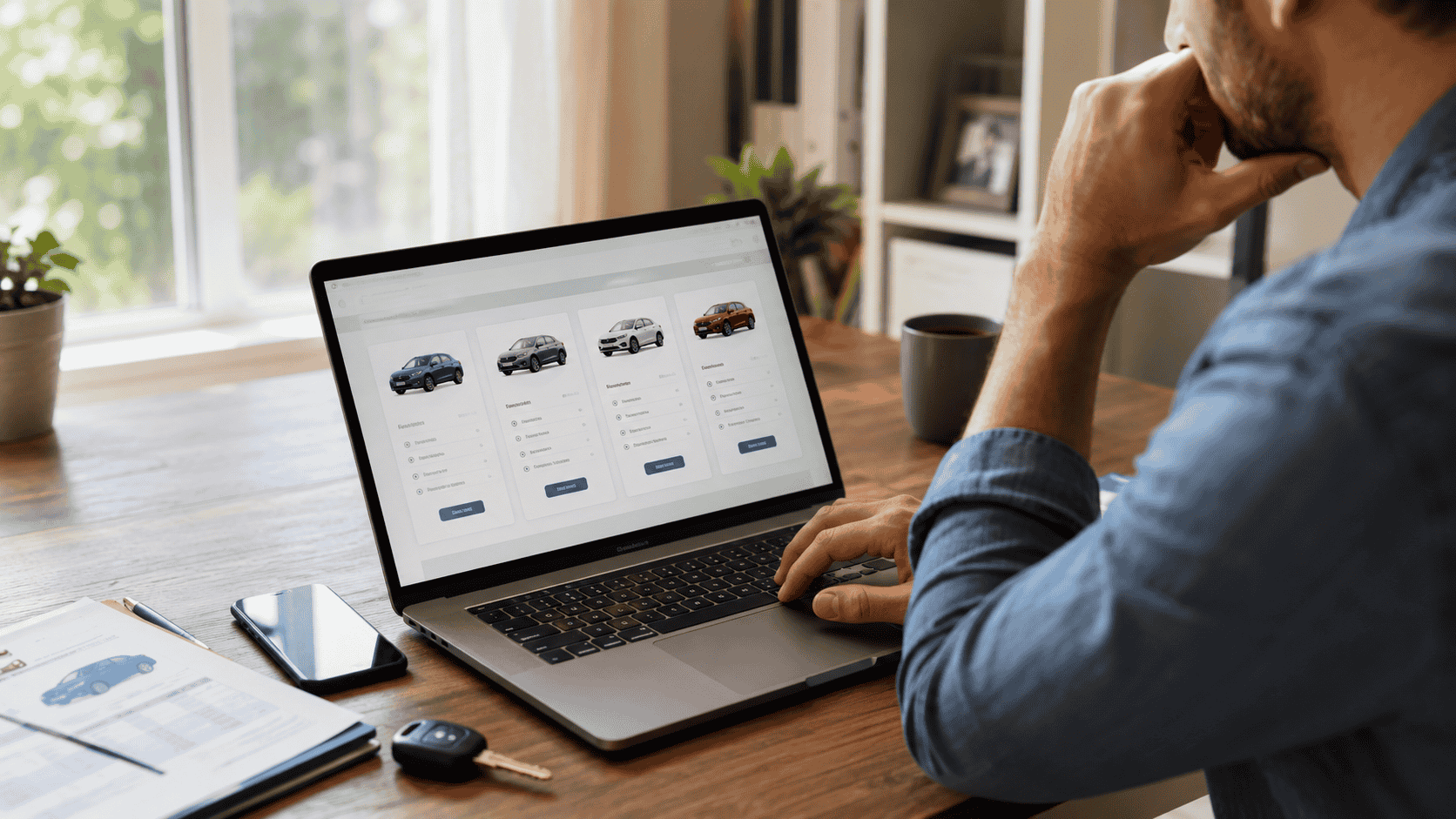
Car Insurance Quotes: How to Compare Rates and Save Money in 2026
Car insurance is getting expensive, but smart comparison can still help drivers cut costs without sacrificing protection.
Key Takeaways
Car insurance quotes can vary widely between companies, even for the same driver.
The cheapest quote is not always the best policy.
Drivers should compare at least three quotes before buying or renewing.
Minimum coverage may satisfy legal rules, but it may not fully protect your finances.
Full coverage usually costs more, but it may offer stronger protection for your vehicle.
Discounts, deductibles, driving record, vehicle type and location can all affect your premium.
Why Car Insurance Quotes Matter
Two drivers can own the same car. They can live in the same city. They can even have similar driving records. But one may pay hundreds of dollars more for car insurance simply because they did not compare quotes. That is the hidden cost of auto insurance.
Many drivers renew the same policy year after year because it feels easier. The insurer raises the premium, the driver assumes every company would charge the same, and by the time they finally compare rates, they realize they may have been overpaying for years.
In 2026, comparing car insurance quotes is not optional. It is one of the easiest ways to protect your money before you protect your car.
What Is a Car Insurance Quote?
A car insurance quote is an estimated price from an insurance company for a policy. It is based on information such as your age, vehicle, location, driving history, coverage level and sometimes your credit-based insurance score, depending on local rules.
A quote usually includes:
Monthly or annual premium
Liability coverage
Collision coverage
Comprehensive coverage
Deductibles
Optional add-ons
Discounts
Payment terms
But a quote is not always the final price. The insurer may adjust it after checking your driving record, claims history or vehicle details.
That is why you should treat every quote as an estimate until the policy is confirmed.
The Biggest Mistake Drivers Make
The biggest mistake is comparing only the price. A cheap policy may look attractive, but it may have weak coverage, high deductibles or low liability limits.
A slightly more expensive policy may actually be better if it gives stronger protection after an accident. The goal is not just to find the cheapest car insurance. The goal is to find the best value.
Minimum Coverage vs Full Coverage
Minimum coverage is usually the lowest level of insurance required by law. It is cheaper, but it may only cover damage or injuries you cause to others. It may not repair your own car after an accident. Full coverage usually means a policy that includes liability coverage, collision coverage and comprehensive coverage. Collision coverage helps pay for damage to your own car after a crash. Comprehensive coverage helps pay for non-collision damage such as theft, fire, vandalism, storms, falling objects or animal damage, depending on the policy. Minimum coverage may be enough for some drivers with older cars and emergency savings. Full coverage may be better for drivers with newer, financed or leased vehicles.
How to Compare Car Insurance Quotes Correctly
To compare quotes properly, use the same information for every insurer.
Use the same:
Driver details
Vehicle details
Address
Annual mileage
Coverage limits
Deductibles
Optional add-ons
Payment schedule
Then compare the full package, not just the monthly premium.
Look at:
Premium
Deductible
Liability limits
Collision coverage
Comprehensive coverage
Uninsured motorist coverage
Rental car coverage
Roadside assistance
Discounts
Claims reputation
Customer service
A policy that is slightly cheaper each month may not be better if it removes important protection.
What Affects Your Car Insurance Premium?
Car insurance companies use many factors to calculate your premium.
Common factors include:
Age
Driving record
Claims history
Location
Vehicle make and model
Annual mileage
Coverage level
Deductible amount
Credit-based insurance score where allowed
Prior insurance history
Vehicle use
Parking location
Discounts
This is why your friend’s cheapest insurer may not be cheapest for you.
Insurance pricing is personal.
How to Save Money on Car Insurance
You can reduce your car insurance cost in several practical ways.
Compare Quotes Regularly
Do not renew automatically every year. Compare quotes at least once a year or whenever your premium increases.
Increase Your Deductible Carefully
A higher deductible can lower your premium. But only choose a deductible you can afford after an accident.
Bundle Your Policies
Many insurers offer discounts when you combine auto insurance with home, renters or other policies.
Keep a Clean Driving Record
Tickets, accidents and serious violations can raise your premium. Safe driving is one of the best long-term ways to save.
Ask About Discounts
Do not assume every discount is automatically applied.
Ask about:
Safe driver discount
Multi-policy discount
Multi-car discount
Good student discount
Defensive driving discount
Low mileage discount
Anti-theft discount
Autopay discount
Paperless billing discount
Paid-in-full discount
Review Coverage on Older Cars
If your car is older and low in value, full coverage may not always be worth the cost. But do not drop coverage unless you can afford the risk.
Avoid Coverage Gaps
A lapse in insurance can make future policies more expensive and may create legal problems. Always start your new policy before canceling the old one.
Cheap Car Insurance Is Not Always Good Car Insurance
Cheap car insurance can be useful. But cheap does not always mean smart.
A weak policy may leave you exposed after:
A serious accident
A lawsuit
A stolen car
Storm damage
Hit-and-run damage
Expensive repairs
Medical costs
If your coverage limits are too low, you may have to pay the remaining costs yourself. That is why drivers should think carefully before choosing the lowest quote.
When Minimum Coverage May Make Sense
Minimum coverage may make sense if:
Your car is old
Your car is low-value
You rarely drive
You have emergency savings
You only need legal coverage
You understand the financial risk
But minimum coverage may be risky if:
Your car is financed
Your car is leased
You drive daily
You cannot afford major repairs
You have assets to protect
You live in a high-risk area
Minimum coverage is cheaper because it gives less protection.
That is the trade-off.
When Full Coverage May Be Worth It
Full coverage may be worth it if:
Your car is new
Your car is financed
Your car is leased
Your vehicle is expensive to repair
You rely on your car for work
You cannot afford to replace your car
You want stronger financial protection
Full coverage costs more, but it can prevent a much larger financial problem later.
How Often Should You Compare Car Insurance Quotes?
Compare quotes at least once a year.
Also compare quotes when:
You move
You buy a new car
Your premium increases
You add a driver
You remove a driver
You get married
Your driving record improves
Your credit improves where relevant
You start driving less
You pay off your car loan
Your teen driver gets licensed
The cheapest company today may not be the cheapest next year.
Mistakes to Avoid
Avoid these common mistakes when comparing car insurance quotes:
Comparing different coverage limits
Choosing the cheapest policy without reading details
Ignoring deductibles
Forgetting uninsured motorist coverage
Buying only minimum coverage without understanding risk
Not checking discounts
Letting your policy lapse
Canceling your old policy before the new one starts
Ignoring claims reputation
Not reviewing your policy at renewal
Myth vs Fact
Myth: The cheapest quote is always best.
Fact: The cheapest quote may have lower limits, weaker coverage or higher deductibles.
Myth: All car insurance companies charge the same.
Fact: Each insurer uses its own pricing system, so quotes can vary widely.
Myth: Minimum coverage protects your own car.
Fact: Minimum coverage usually focuses on legal liability and may not repair your own vehicle after an accident.
Myth: Full coverage means everything is covered.
Fact: Full coverage still has limits, deductibles and exclusions.
Myth: You only need to compare quotes when buying a new car.
Fact: You should compare quotes at renewal and after major life changes.
What Drivers Should Do Before Buying
Before choosing a policy, follow this checklist:
Read your current policy
Decide what coverage you need
Choose deductibles you can afford
Compare at least three quotes
Use the same coverage limits for each quote
Ask about discounts
Check customer reviews
Understand exclusions
Confirm the start date
Avoid coverage gaps
The best policy is not always the cheapest.
It is the one that fits your risk, budget and legal requirements.
Why This Matters
Car insurance looks boring until you need it. Then every detail matters. The coverage limit matters. The deductible matters. The exclusions matter. The claims service matters. The company you chose because it was slightly cheaper may suddenly become the company deciding how quickly your car gets repaired. That is why comparing quotes is not just about saving money. It is about knowing what you are buying before the accident happens.
Final Thought
The cheapest quote can save you money today. The right quote can save you from disaster later.
Frequently Asked Questions
What are car insurance quotes?
Car insurance quotes are estimated prices from insurance companies based on your driver profile, vehicle, location and coverage choices.
How many car insurance quotes should I compare?
You should compare at least three quotes before buying or renewing a policy.
Is the cheapest car insurance quote always best?
No. The cheapest quote may have weak coverage, high deductibles or low limits.
What is minimum coverage?
Minimum coverage is the lowest amount of insurance required by law in your area. It is cheaper but may provide limited protection.
What is full coverage car insurance?
Full coverage usually means liability coverage plus collision and comprehensive coverage.
How can I lower my car insurance premium?
You can compare quotes, increase deductibles carefully, bundle policies, ask for discounts, keep a clean driving record and review coverage regularly.
Does my car affect my insurance rate?
Yes. Vehicle value, repair cost, safety features, theft risk and performance level can all affect insurance rates.
Can my quote change after I apply?
Yes. A quote can change after the insurer verifies your driving record, claims history, vehicle details and other information.
How often should I shop for car insurance?
You should compare quotes at least once a year or whenever your premium increases.
Is this insurance advice?
No. This article is for general information only. Always check local laws and speak with a licensed insurance professional before making coverage decisions.
car insurance quotes, cheap car insurance, compare car insurance, auto insurance quotes, best car insurance companies, full coverage car insurance, minimum coverage car insurance, car insurance rates, car insurance discounts, liability insurance, collision coverage, comprehensive coverage, deductible, car insurance premium, insurance quote comparison, auto insurance savings
External Sources
National Association of Insurance Commissioners auto insurance guide
Insurance Information Institute auto insurance pricing factors
NerdWallet car insurance cost analysis
Experian average car insurance cost guide
Your state insurance department





Discussion
Comments
Approved comments are published after moderation to keep discussion useful and spam-free.
No comments yet. Start the discussion below.