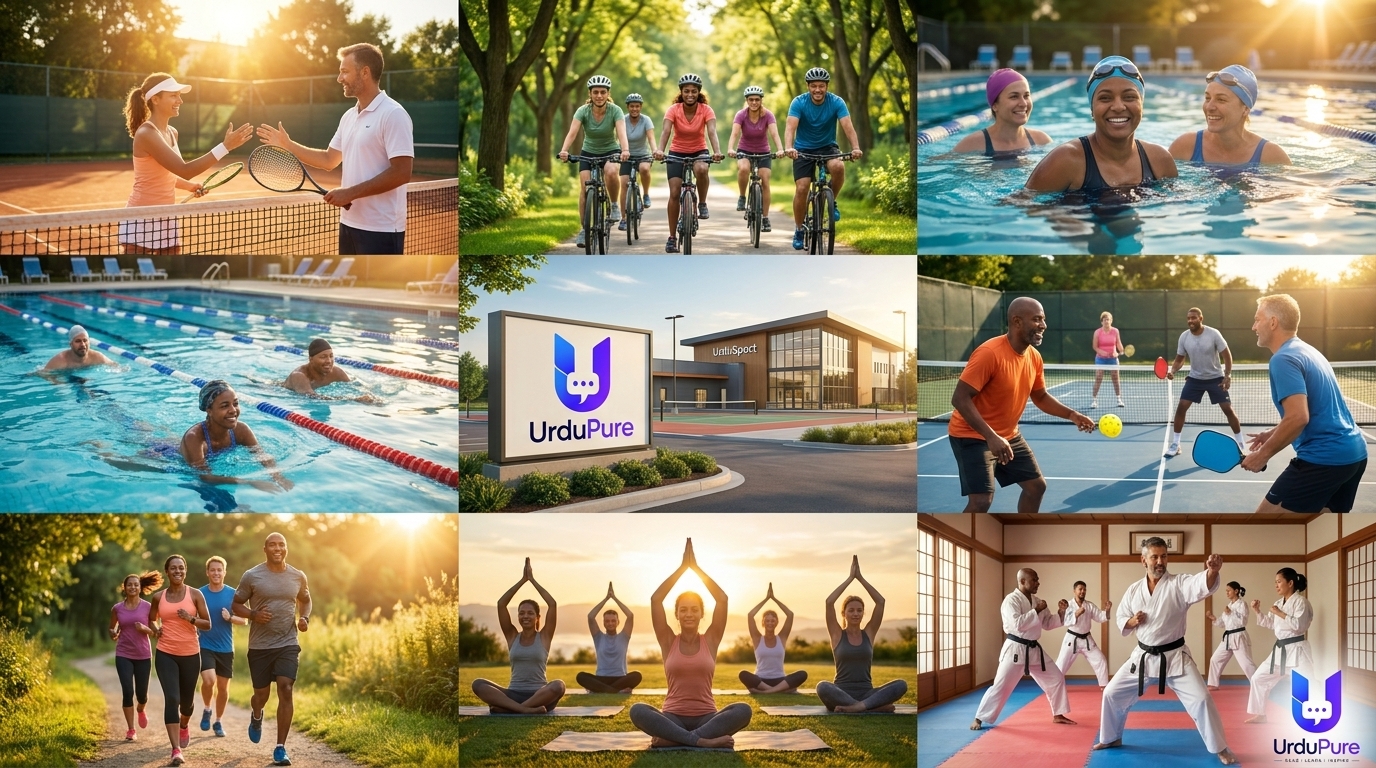
The Best Sports to Start as an Adult in 2026: A Beginner's Guide
It's never too late to start a sport — but some are much more beginner-friendly than others. Here's a ranked guide to the sports most accessible, most rewarding, and most sustainable for adults starting from scratch.
Why Adults Should Start Sports — The Evidence
The research on physical activity and adult health is unambiguous: regular participation in sport or structured physical activity is the single most effective intervention available for reducing risk of cardiovascular disease, type 2 diabetes, dementia, depression, and all-cause mortality. The effect sizes are larger than any pharmaceutical intervention for primary prevention — exercise is genuinely the best medicine available.
But beyond health, adult sport participation produces benefits that are increasingly recognised as equally important: social connection (loneliness is now classified as a public health crisis in both the UK and US), cognitive engagement, purpose and structure, and the specific psychological benefit of mastery — the experience of becoming progressively better at something difficult that produces intrinsic satisfaction unavailable in most other adult activities.
The most common barrier is not time, fitness, or money — it's the belief that starting a sport as an adult is somehow embarrassing or too difficult. This guide aims to dissolve that barrier with practical information about which sports are genuinely beginner-friendly and how to get started with each one.
The Rankings: Best Sports to Start as an Adult
1. Parkrun (Running) — The Most Accessible Entry Point in Sport
Cost to start: £0 / $0
Fitness required: None — participants walk if needed
Social value: Exceptionally high
Available: 2,200+ locations in UK; expanding rapidly in US and globally
Parkrun isn't a sport in the traditional sense — it's a free, weekly 5km timed run held in parks every Saturday morning, open to all ages and abilities. But it deserves the top position in this guide because it removes every barrier to participation simultaneously: it costs nothing, requires no equipment beyond comfortable shoes, accommodates any speed (walkers and runners finish together), and provides the community infrastructure of organised sport without any of the commitment, competition, or expectation that deters adult beginners.
The statistics are striking: over 7 million people have completed a UK Parkrun, ranging from competitive runners targeting personal bests to walkers doing their first outdoor activity in years to people returning to activity after illness or injury. The social dimension — the consistent, familiar weekly gathering of a community of all abilities — is frequently cited as the most important factor in long-term participation.
How to start: Register free at parkrun.org.uk (UK) or parkrun.us (US), find your nearest event, and turn up on Saturday morning at 9am. That's it.
2. Swimming — The Lowest-Impact, Highest-Reward Fitness Sport
Cost to start: £3–£6 / $4–$8 per pool session; pool membership £20–£50 / $25–$65 per month
Fitness required: None — basic ability to stay afloat sufficient to begin
Injury risk: Exceptionally low
Social value: Moderate — swimming clubs provide community
Swimming's physical credentials are exceptional. It provides cardiovascular conditioning, full-body muscular engagement, and — uniquely among high-intensity sports — near-zero impact loading on joints. For adults with existing joint conditions, excess weight, or recovering from injury, swimming provides intense exercise that other sports cannot safely deliver.
The adult learner barrier for swimming is significant — many adults are not confident swimmers and find the prospect of learning as an adult in a public setting uncomfortable. Adult swimming lessons (widely available at public pools for £5–£10 / $6–$12 per session) address this directly and are used by far more adults than the stigma around them suggests. A 10-week adult beginners course typically takes an anxious non-swimmer to confident lap completion.
Masters swimming — competitive swimming organised specifically for adult athletes, with age-group categories typically beginning at 25 — provides a competitive and social structure for adult swimmers that is remarkably welcoming to adult beginners who are willing to train.
3. Cycling — Sport, Transport, and Community Combined
Cost to start: £200–£500 / $250–$600 for a decent entry-level bike; or £30 / $35 per month for Santander Cycles/Citi Bike membership in major cities
Fitness required: None — most adults can cycle at low intensity immediately
Social value: High — cycling clubs are active at all levels
Cycling's unique advantage among adult beginner sports is its dual function as transport and sport. A commute by bike is simultaneously exercise, commuting, and potentially financial saving — eliminating public transport or parking costs while building fitness that requires no additional time commitment.
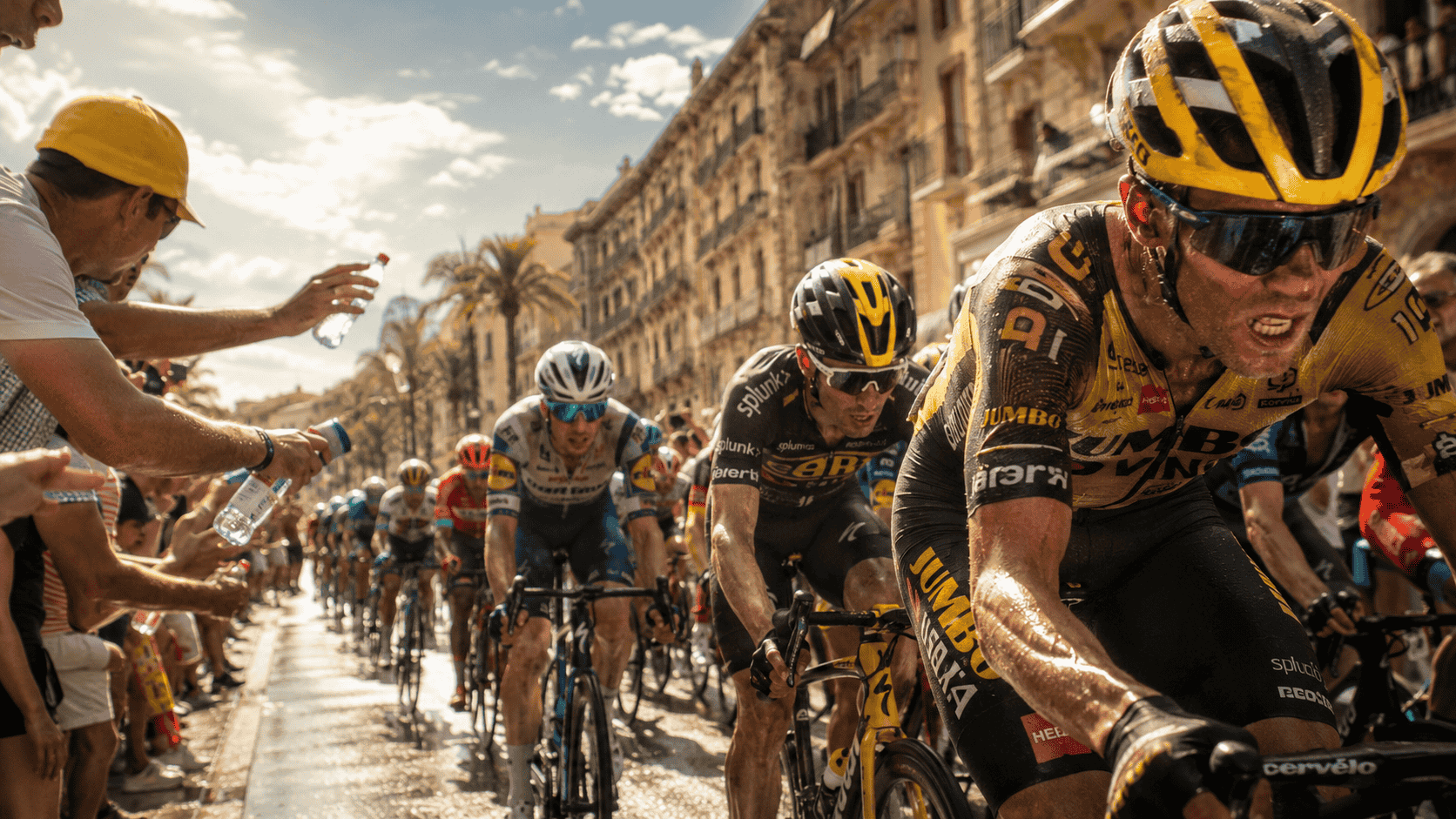
The competitive and social structures available to adult cyclists are extraordinary in their breadth. Sportives — non-competitive mass participation cycling events over set distances — are available at every level from 20-mile flat routes to 100-mile mountain events, all welcoming beginners. Cycling clubs at every level host group rides structured by ability, with beginner-friendly rides available in virtually every town and city in the UK and US.
Gravel cycling — off-road cycling on gravel tracks and farm roads using a specific bike category — has emerged as the fastest-growing cycling discipline of 2024–2026, combining the social and cardiovascular benefits of road cycling with the adventure and technical engagement of mountain biking.
4. Tennis — The Lifetime Sport
Cost to start: £30–£60 / $35–$75 for beginner lessons; club membership £50–£300 / $60–$375 annually
Fitness required: Moderate — basic mobility sufficient to begin
Social value: Very high — tennis clubs are among sport's most active social communities
Tennis is described as a "lifetime sport" because it is genuinely played competitively and recreationally by people in their 70s and 80s — the technical demands place less premium on raw athleticism than most other racket sports, allowing skill to partially compensate for declining speed and power across a long sporting career.
The LTA's (UK) and USTA's (US) adult beginner programmes have significantly improved the accessibility of tennis in recent years. Tennis Xplorer and similar beginner-oriented programmes provide structured group coaching at modest cost, eliminating the barrier of needing to find a partner of similar ability before beginning.
Padel — the Spanish racket sport played in an enclosed glass court, combining tennis and squash — has grown dramatically in the UK and US since 2022 and is considered by many coaches an easier entry point than tennis for adult beginners: the enclosed court keeps balls in play longer, the underarm serve is more forgiving to learn, and the social doubles format creates an immediately accessible community dynamic.
5. Rowing — The Complete Fitness Sport
Cost to start: Learn to Row courses £80–£150 / $100–$180; club membership £100–£400 / $125–$500 annually
Fitness required: None — rowing machines develop all required fitness before water rowing
Social value: Exceptionally high — rowing clubs have among the strongest community cultures in amateur sport
Rowing provides the most complete cardiovascular and muscular fitness of any mainstream sport — engaging approximately 86% of the body's muscles in each stroke, producing exceptional cardiovascular conditioning, and building strength across the posterior chain in ways that complement rather than conflict with everyday physical function.
The barrier to entry has historically been perceived as high — rowing seems technical, equipment-intensive, and socially exclusive. None of these is accurate in 2026. Virtually every rowing club in the UK and US offers Learn to Row programmes for complete adult beginners; equipment is club-owned; and rowing clubs consistently rank among the most socially inclusive sports communities available, with strong traditions of social events, mixed-ability rowing, and extraordinarily welcoming cultures toward adult beginners.
6. Martial Arts (Brazilian Jiu-Jitsu, Judo, Boxing)
Cost to start: £50–£100 / $60–$125 per month (gym membership)
Fitness required: None — beginners trained alongside each other
Social value: Very high — martial arts communities are notably cohesive
Martial arts' reputation as primarily competitive or aggressive undersells them as adult fitness and community activities. Brazilian Jiu-Jitsu — the ground-based grappling art that dominates MMA ground fighting — has experienced explosive growth since 2015 and is now practiced by millions of adults worldwide primarily as a fitness and personal development activity rather than as a competitive pursuit.
The specific appeal of BJJ for adult beginners: unlike striking arts, BJJ's training is largely contact-safe for beginners (sparring is controlled and injuries are relatively infrequent); the skill complexity provides continuous cognitive engagement that pure fitness activities don't; and the community — forged through the specific intimacy of physical training together — is among the most loyal in sport.
Boxing fitness classes (pad and bag work without sparring) have similarly grown dramatically as fitness activities, providing the conditioning benefits of boxing training without the contact dimension.
7. Golf — Investment, But the Return Is Extraordinary
Cost to start: £30–£80 / $35–$100 for beginner lessons; clubs £100–£400 / $125–$500 used; green fees £20–£60 / $25–$75 per round
Fitness required: Very low — golf is accessible to almost all physical conditions
Social value: Exceptionally high — golf's 18-hole format provides 4+ hours of social time
Golf's costs are the most significant barrier — and they are real, particularly at private clubs. But the 18-hole round produces approximately 4–5 miles of walking, 4+ hours of social engagement with playing partners, and a level of nature immersion and mental focus that few other sports match. Municipal courses and driving ranges make the game accessible at significantly lower cost than the private club stereotype suggests.
The specific social value of golf — particularly for business relationships, networking, and mixed-age socialising — makes it one of the highest-return sports for professional adults who are willing to invest in the initial skill development required to enjoy a round rather than endure it.
Finding Your Sport: A Decision Framework
The right sport is the one you'll actually do consistently. Apply these questions:
Do you want competition or community? Some sports (parkrun, cycling clubs, rowing) are primarily community-oriented with optional competition. Others (tennis, martial arts, golf) offer structured competition pathways that provide motivation and structure for some participants and anxiety for others.
What are your physical constraints? Joint pain → swimming or cycling. Weight concerns → swimming, cycling, or rowing. Back issues → swimming. Time constraints → parkrun or gym-based sports with predictable time commitments.
How important is social connection? Rowing, parkrun, and martial arts consistently produce the strongest community bonds. Cycling and tennis are moderate. Swimming is lower unless you join a club.
What can you afford? Parkrun is free. Cycling, running, and swimming are low-cost. Golf and tennis clubs can be expensive.
best sports for adults beginners 2026, start sport as adult, recreational sports adults, adult beginner sports guide, parkrun beginners, adult swimming lessons, cycling for beginners, tennis adults beginners, Brazilian jiu-jitsu beginners, best sports to get fit


Discussion
Comments
Approved comments are published after moderation to keep discussion useful and spam-free.
No comments yet. Start the discussion below.