Dengue in Pakistan 2026: Warning Signs That Mean Go to Hospital Now
UrduPure Editorial Team
October 19, 2026
6 min read
5 reads
Dengue cases are rising in Pakistan after the monsoon, and the most dangerous stage often starts when the fever seems to be settling. If you or a family member has dengue and develops severe stomach pain, repeated vomiting, bleeding, fast breathing or extreme weakness, go to hospital immediately.
Here are the warning signs from the World Health Organization, what you can safely do at home, common myths, the latest local numbers and how to stop mosquitoes breeding. This is general information, not a diagnosis, so see a doctor if you are unwell.
When to go to hospital immediately
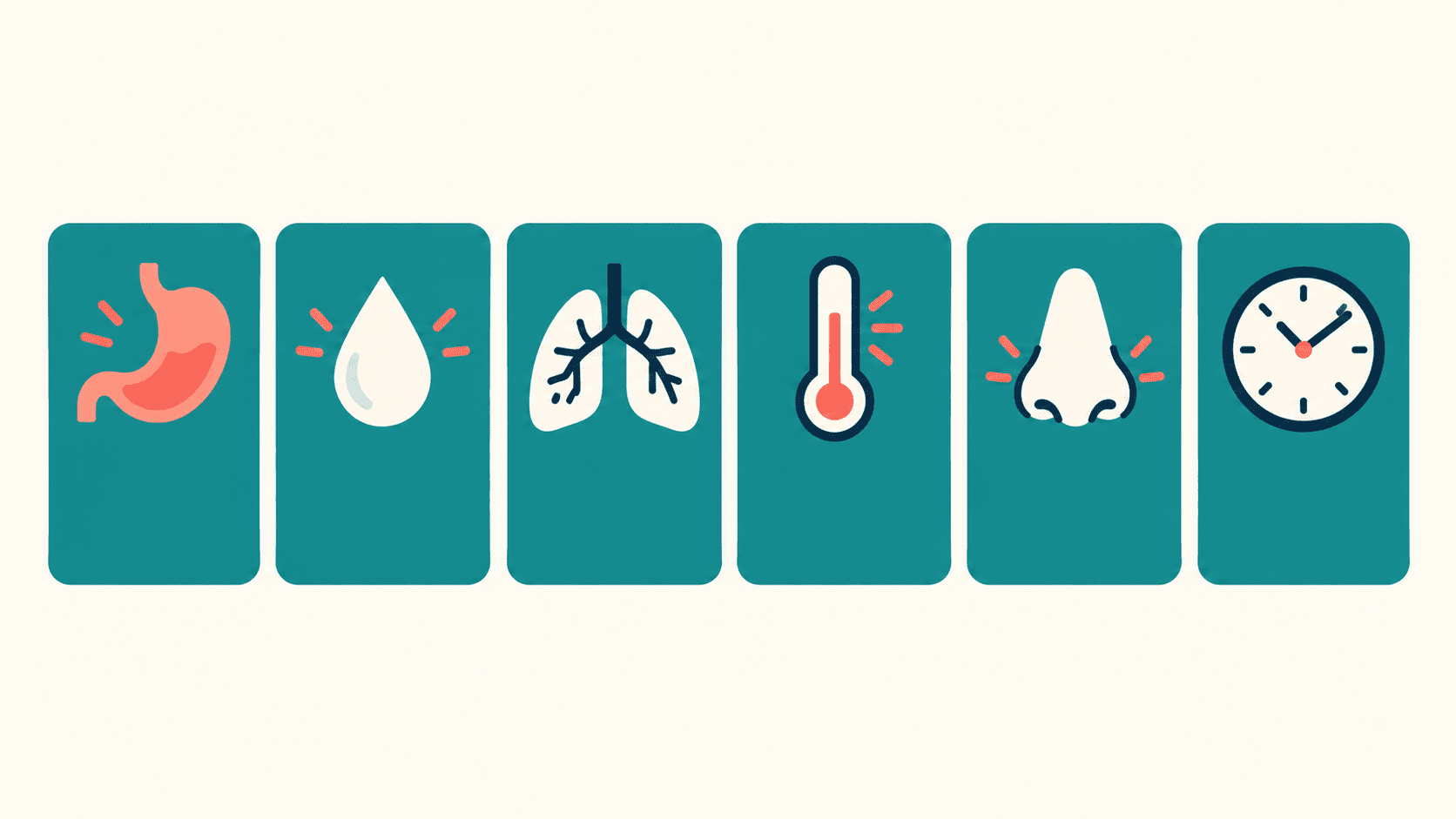
Don't wait if someone with dengue has any of these, especially as the fever falls:
Severe stomach pain
Vomiting that does not stop
Rapid breathing
Bleeding from the gums or nose
Blood in vomit or stool
Extreme tiredness, restlessness or weakness
Very pale, cold or clammy skin
Being very thirsty
Call your nearest emergency service, such as Rescue 1122 in Punjab or Edhi on 115, or go to the nearest hospital emergency department.
Dengue in Pakistan: the latest numbers
Figures for 2026 are patchy, and I could not find verified provincial totals. These are the latest official figures I found.
Place
Latest figure
Source date
Rawalpindi district
58 confirmed cases, no deaths
District Health Authority, October 18 (via press reports)
Rawalpindi district
15 confirmed on September 22, so cases have risen sharply
District Health Authority
Twin cities (Rawalpindi and Islamabad)
45 cases reported, 35 of them in Rawalpindi
Express Tribune, October 3
Pakistan
1,397 suspected cases in week 39, more than double the week before
National Institute of Health, via press reports
Sindh
The first death of 2026 was reported in Karachi in April, with 198 cases in the province by April 7
Sindh Health Department
In Rawalpindi, teams have found larvae at about 218,000 locations this season, and authorities have registered 2,798 FIRs and sealed 686 premises for anti-dengue violations. Punjab figures often exclude private hospitals, and the national bulletin does not include Punjab, so real numbers are likely higher.
Dengue is endemic in Pakistan, with peaks after the monsoon from September to November.
Dengue symptoms and the stages of illness
Most people with dengue have mild illness or no symptoms and recover in one to two weeks. When symptoms appear they usually start 4 to 10 days after the bite and last 2 to 7 days.
Stage
What it looks like
What to do
Fever stage (first days)
High fever, severe headache, pain behind the eyes, muscle and joint pain, nausea, vomiting, swollen glands, rash
Rest, drink fluids, take paracetamol and see a doctor for advice and a test
Danger stage (often as the fever falls)
Severe stomach pain, persistent vomiting, rapid breathing, bleeding gums or nose, blood in vomit or stool, restlessness, extreme thirst, pale cold skin, weakness
Go to hospital immediately
Recovery
Fever settles, appetite returns, tiredness can last weeks
Keep resting and follow your doctor's advice
Who is at higher risk of severe dengue? People who have had dengue before are at greater risk if infected again. Doctors also advise early care for babies, pregnant women, older adults and people with chronic illness, so see a doctor early if you are in one of these groups.
Testing: blood tests, including rapid antigen tests, can detect the virus in the first week of illness. Your doctor will decide which tests you need and when.
What to do at home
There is no specific treatment for dengue, so care focuses on rest, fluids and managing pain, under a doctor's advice.
Rest as much as possible.
Drink plenty of fluids, such as water, oral rehydration solution, soups and coconut water.
Use paracetamol for fever and pain, at the dose on the label or as your doctor says.
Avoid ibuprofen, aspirin and similar pain medicines. These anti-inflammatory drugs can raise the risk of bleeding.
Don't take antibiotics unless a doctor prescribes them for a separate infection, because they do not work against viruses.
Watch closely for the warning signs above, especially when the fever drops, and keep a record of temperature, fluids and urine.
Protect others. A person with dengue can pass the virus to mosquitoes from two days before symptoms until two days after the fever ends, so use a net or repellent while ill.
Dengue myths to ignore
Myth
What to know
"Dengue only happens in the monsoon"
Cases peak after the rains, but mosquitoes can breed whenever stagnant water collects
"Once the fever goes, I'm safe"
The danger stage often starts as the fever falls, so keep watching for warning signs
"Take a strong painkiller for the fever"
Use paracetamol only. Ibuprofen and aspirin can increase the risk of bleeding
"A platelet number alone tells me how sick I am"
Platelets often fall in dengue, but doctors judge treatment by symptoms, fluids and overall condition, so follow your doctor's advice rather than the number alone
"Antibiotics will cure it"
Dengue is a virus, and antibiotics do not treat it
"Home remedies can replace a hospital"
Papaya leaf juice and similar remedies are not proven. Never delay care when warning signs appear
"Mosquitoes bite at night"
The mosquitoes that spread dengue are active during the day
How to prevent dengue at home and in your street
There is no specific treatment for dengue, and the one licensed vaccine is recommended only for certain ages in high-transmission settings, so prevention means stopping bites and breeding.
Stop mosquitoes breeding
Cover, empty and clean water storage containers at least once a week.
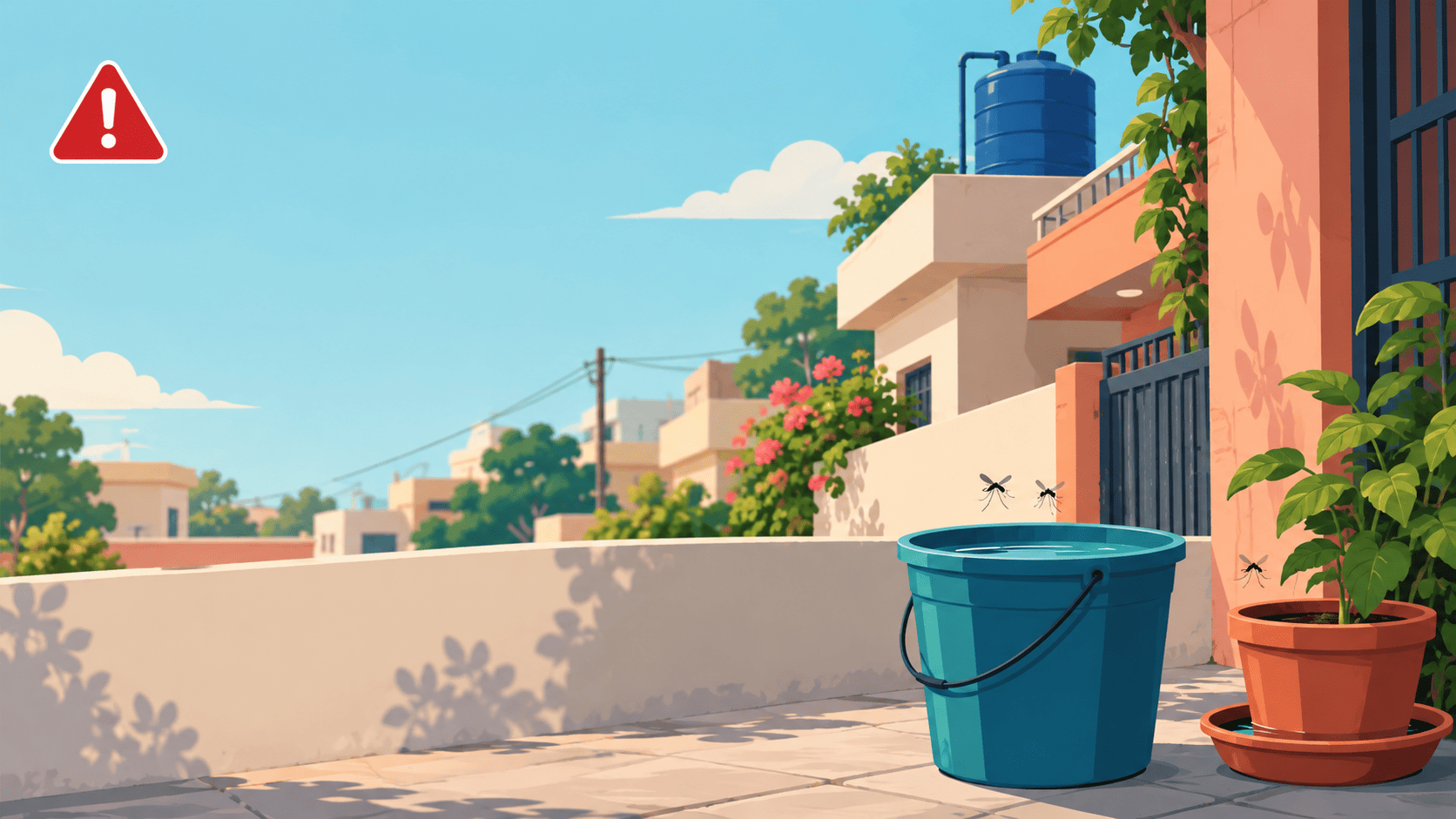
Empty water from coolers, flower pots, buckets, tyres, plant saucers and tanks, and don't let rainwater pool on roofs or in gutters.
Dispose of rubbish properly and remove old containers that can hold water.
Ask neighbours and shopkeepers to do the same, because mosquitoes breed locally.
Report breeding sites or larvae to your local health authority.
Avoid bites during the day
Wear long sleeves and trousers, especially in the early morning and late afternoon.
Use repellents containing DEET, picaridin or IR3535.
Put screens on windows and use nets, coils or vaporisers.
If someone in the house has dengue, protect them with a net so mosquitoes don't spread it to others.
Dengue in Pakistan FAQ
What are the warning signs of severe dengue? Severe stomach pain, persistent vomiting, rapid breathing, bleeding gums or nose, blood in vomit or stool, restlessness, extreme thirst, pale cold skin and weakness. Go to hospital immediately.
What medicine can I take for dengue fever? Paracetamol for fever and pain. Avoid ibuprofen and aspirin, which can increase bleeding risk.
How long does dengue last? Symptoms usually last 2 to 7 days, and most people recover within one to two weeks, though tiredness can last longer.
When is the dangerous period? Often when the fever falls, around the third to seventh day of illness, so keep watching for warning signs after you feel better.
Can dengue spread from person to person? Not directly. It spreads through the bite of an infected Aedes mosquito, which bites during the day.
Does a low platelet count mean I need to be admitted? Not by itself. Doctors decide based on symptoms, fluid status and overall condition, so follow your doctor's advice.
How can I prevent dengue? Empty and clean water containers weekly, remove standing water, use repellent and screens and wear covering clothes during the day.
Is there a dengue vaccine in Pakistan? One vaccine is licensed in some countries for ages 6 to 16 in high-transmission areas. Ask your doctor whether any vaccine is available and suitable for you.
Sources
This article gives general information and is not medical advice. Figures are from press reports of district and national health data as of October 20, 2026.