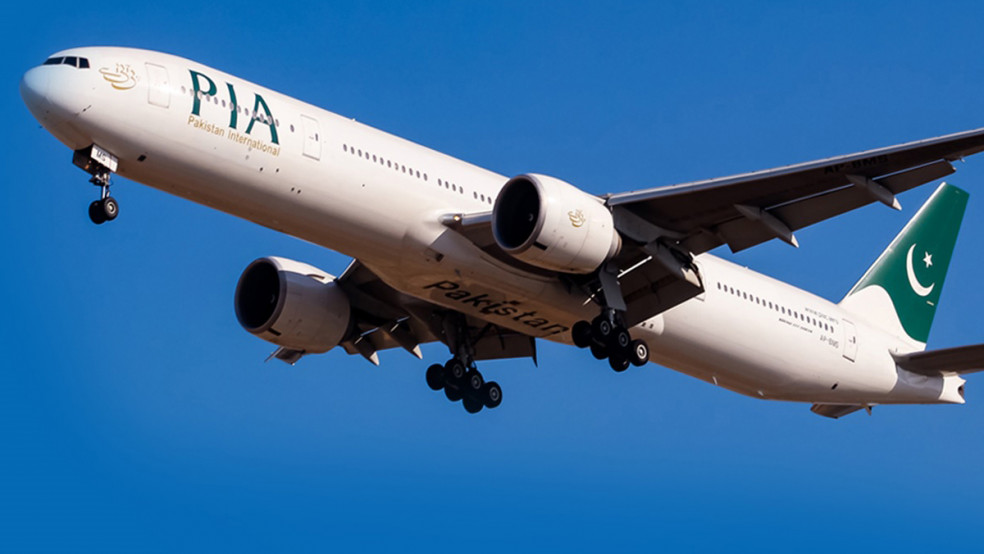
Pakistan International Airlines (PIA), once a symbol of national pride and a pioneering airline in Asia, has for decades been synonymous with operational inefficiencies and mounting financial losses. Its impending privatisation, a critical component of Pakistan's broader economic reform agenda, stands as a pivotal moment for the nation. This comprehensive exploration delves into the intricate web of PIA's privatisation, its profound implications for Pakistan's economy, the country's aviation sector, and the overarching influence of International Monetary Fund (IMF) reforms.
The journey from a profitable, acclaimed airline to a state-owned enterprise (SOE) mired in debt highlights a chronic issue within Pakistan's public sector. As the government grapples with fiscal deficits and an urgent need for economic revitalisation, the divestment of PIA is not merely about selling an asset; it represents a commitment to structural change, transparency, and fiscal responsibility. Understanding this complex process requires examining its historical context, the drivers behind the current push, and the potential ripple effects across the nation.
PIA's Legacy and Decline: A National Burden
From Glory to Gravitas: A Brief History
Founded in 1946, PIA initially carved a reputation for excellence, pioneering routes and setting service standards. It was once a profitable venture, boasting a modern fleet and contributing significantly to Pakistan's international image. However, over the past four decades, a combination of political interference, overstaffing, mismanagement, and corruption led to a drastic decline. The airline transitioned from being a revenue generator to a colossal drain on the national exchequer.
The Weight of Escalating Losses and Debt
Year after year, PIA has posted colossal losses, accumulating a staggering debt burden that now runs into hundreds of billions of rupees. This debt is guaranteed by the government, effectively making the Pakistani taxpayer responsible for the airline's financial woes. These perpetual losses severely constrain the government's ability to invest in essential public services like education, healthcare, and infrastructure. The financial bleeding has reached a critical point where continued state ownership is deemed unsustainable, prompting the urgent drive for divestment.
The Imperative for Privatisation: Why Now?
The decision to privatise PIA is not arbitrary; it stems from a confluence of pressing economic realities:
- Financial Unsustainability: With annual losses consistently running in the tens of billions of rupees, PIA has become an unbearable financial burden. Privatisation offers the prospect of offloading this liability and freeing up crucial government funds.
- Operational Inefficiencies: PIA is notoriously overstaffed, operates an aging fleet, and struggles with outdated management practices. A private entity, driven by profit motives, is expected to streamline operations, reduce waste, and introduce modern business strategies.
- Fiscal Burden and Debt Management: The government's balance sheet is severely strained by PIA's debt. Privatisation is a key strategy to improve the government's fiscal position, reduce its debt-servicing costs, and enhance its creditworthiness on international markets.
- Attracting Investment and Expertise: Divestment is expected to attract private capital, both domestic and foreign, bringing in much-needed investment for fleet modernization, technological upgrades, and the infusion of professional management expertise.
The IMF's Guiding Hand: Reforms and Conditionalities
Pakistan's frequent reliance on IMF bailout packages has invariably come with stringent conditionalities aimed at structural economic reforms. The privatisation of state-owned enterprises (SOEs) like PIA is a recurring demand from the IMF, seen as vital for achieving fiscal consolidation and improving economic governance.
Structural Adjustment Programs
The IMF's programs are designed to address deep-rooted economic imbalances. For Pakistan, this has often meant reducing budget deficits, reforming the energy sector, expanding the tax base, and privatising loss-making SOEs. The rationale is that state intervention in commercial enterprises often leads to inefficiency and corruption, diverting resources from core government functions.
PIA as a Key Reform Target
In the context of recent IMF Extended Fund Facility (EFF) and Stand-By Arrangement (SBA) programs, PIA's restructuring and eventual privatisation have been non-negotiable points. The IMF views the airline's financial drain as a significant impediment to Pakistan's economic stability. Fulfilling this conditionality is crucial for Pakistan to unlock further tranches of financial assistance and maintain its standing with international lenders.
Impact on Economic Policy
The IMF's directives push Pakistan towards a more market-oriented economy. The privatisation of PIA signals a shift away from state control in commercial sectors, encouraging competition, efficiency, and a reduced role for the government in business operations. This alignment with IMF policy frameworks is critical for fostering investor confidence and promoting sustainable economic growth.
Challenges and Hurdles in the Privatisation Process
Despite the strong economic rationale, PIA's privatisation is fraught with significant challenges:
- Labor Resistance and Social Impact: PIA employs thousands of individuals. Concerns about job losses, severance packages, and the future of remaining employees have led to strong resistance from labor unions, potentially causing social unrest and operational disruptions.
- Finding Credible Investors: Attracting a buyer for a debt-ridden airline with a history of operational woes and a challenging labor environment is difficult. The government needs to ensure the buyer possesses the financial muscle and aviation expertise to revive PIA effectively.
- Ensuring Transparency and Fair Valuation: The process must be transparent, free from corruption, and ensure a fair valuation of PIA's assets and liabilities. Any perception of impropriety could undermine public trust and future privatisation efforts.
- Strategic Importance and National Pride: As the national flag carrier, PIA holds symbolic importance. There are concerns about divesting a strategic national asset and the potential impact on less profitable but socially important domestic and international routes.
- Regulatory Framework: Ensuring a robust regulatory framework is essential to protect consumer interests, maintain safety standards, and prevent monopolies in the aviation sector post-privatisation.
Transforming Pakistan's Aviation Landscape
The successful privatisation of PIA could usher in a new era for Pakistan's aviation sector:
- Increased Competition and Efficiency: A privatised PIA, free from government interference, could become more competitive, potentially spurring other domestic airlines to improve services and efficiency.
- Modernization and Service Improvement: New private ownership would likely invest in modernizing PIA's aging fleet, improving customer service, and adopting international best practices, benefiting passengers.
- Expansion of Routes and Connectivity: A financially robust and operationally efficient PIA could explore new routes, enhance existing connectivity, and contribute to Pakistan's position as a regional air travel hub.
- Stimulating Ancillary Industries: A revitalized aviation sector could boost related industries, including tourism, cargo, and aircraft maintenance, creating new economic opportunities.
Broader Economic Implications for Pakistan
The impact of PIA's privatisation extends far beyond the aviation sector:
- Fiscal Relief and Debt Reduction: The most immediate benefit would be the removal of PIA's financial drain on the national budget, allowing funds to be reallocated to critical development sectors and contributing to debt reduction.
- Boosting Investor Confidence: Successful privatisation signals Pakistan's commitment to market reforms and fiscal discipline, potentially attracting more foreign direct investment (FDI) across various sectors.
- Signaling Commitment to Reforms: It demonstrates the government's resolve in undertaking difficult structural reforms, strengthening its credibility with international financial institutions and investors.
- Potential for Growth and Job Creation: While initial job losses are a concern, a leaner, more efficient PIA could lead to sustainable growth and new job creation in the long run within the broader aviation ecosystem.
A Critical Juncture for Pakistan
The privatisation of Pakistan International Airlines is undeniably one of the most significant economic reforms facing Pakistan. It is a complex undertaking, laden with historical baggage, political sensitivities, and substantial economic implications. While the challenges are formidable, the potential benefits – fiscal relief, enhanced economic efficiency, increased investor confidence, and a revitalized aviation sector – offer a compelling vision for Pakistan's future. The process, driven by domestic necessity and IMF conditionalities, represents a critical juncture. Its successful execution could not only transform a struggling national carrier into a viable enterprise but also serve as a powerful catalyst for broader economic rejuvenation, propelling Pakistan towards a more sustainable and prosperous future.






Discussion
Comments
Approved comments are published after moderation to keep discussion useful and spam-free.
No comments yet. Start the discussion below.