
They found the biggest fish in the world: Is the Giant Ocean Sunfish Record Real or Fake?
The viral images circulating across social media platforms look like a combination of poorly rendered CGI and a marine horror movie. A fishing boat sits in glassy water, and right alongside it sits an impossibly massive, gray, slab-like creature. It has no tail. It looks less like a functional, living animal and more like a severed head of a prehistoric titan drifting aimlessly at the surface.
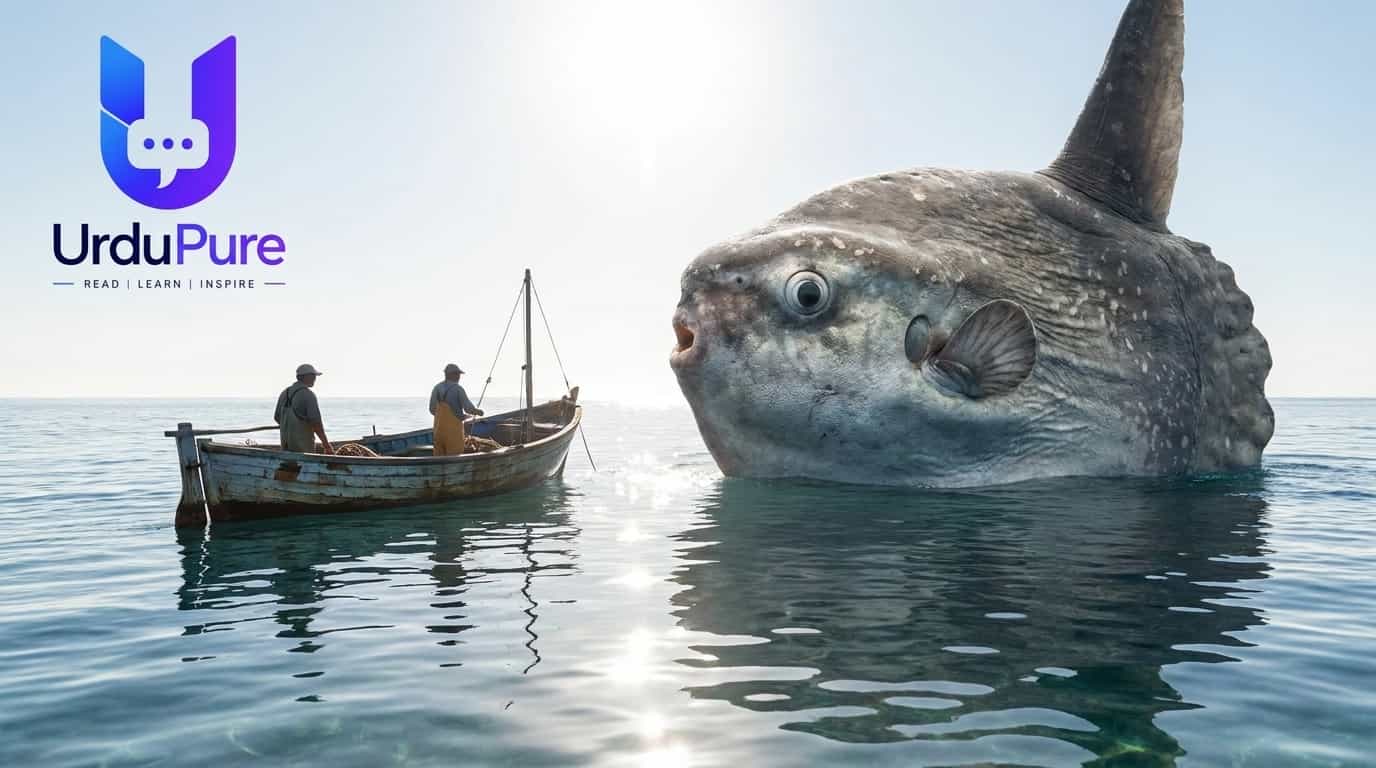
The internet, being the hyper-skeptical machine that it is, frequently flags these images as hoaxes, forced-perspective camera tricks, or artificial intelligence fabrications.
Let’s clear the water immediately: The animal is 100% real. But the internet headline calling it "The Biggest Fish in the World" is technically fake.
To understand the truth about the ocean sunfish—known scientifically as the genus Mola—we have to separate sensationalist clickbait from one of the most astonishing evolutionary journeys in planetary history. The reality of how this creature lives, grows, and defies the basic structural layout of marine life is far more fascinating than any internet rumor.
The Core Verdict: Biggest Fish vs. Biggest Bony Fish
When an image of a 2.3-ton Mola alexandrini or Mola mola surfaces, the accompanying caption almost always reads: "Scientists discover the largest fish on Earth."
This is where direct, scientific candor must correct the narrative. The title of the absolute largest fish on Earth belongs undeniably to the Whale Shark (Rhincodon typus), which can reach lengths of over 18 meters and weigh upwards of 20 metric tons. Behind it sits the Basking Shark.
So why do marine biologists lose their minds over a giant Mola? Because of a fundamental split in the tree of life:
Chondrichthyes (Cartilaginous Fish): Sharks, rays, and chimaeras. Their skeletons are made of lightweight, flexible cartilage. This allows them to scale up to truly colossal, whale-like proportions without being crushed under the weight of their own frameworks.
Osteichthyes (Bony Fish): This group includes 95% of all fish species on Earth—from goldfish and salmon to tuna and swordfish. They possess true, rigid, calcified bone skeletons.
The ocean sunfish is an Osteichthyes. Therefore, while it is completely dwarfed by massive sharks, it is indisputably the heaviest bony fish ever documented on the planet.
MetricThe Ocean Sunfish (Mola)The Whale SharkClassificationBony Fish (Osteichthyes)Cartilaginous Fish (Chondrichthyes)Skeleton MaterialTrue, calcified boneFlexible cartilageMaximum Record Weight~2,744 kg (2.74 Metric Tons)~20,000 kg (20 Metric Tons)Dietary StrategyGelatinous Zooplankton (Jellyfish)Filter-feeding Plankton & Small FishReproductive OutputUp to 300,000,000 eggs at onceLive birth (approx. 300 pups)
When a specimen of Mola alexandrini was pulled up near the Azores Islands, it weighed an astonishing 2,744 kilograms (2.74 metric tons). That is heavier than an adult white rhinoceros or a large SUV, all supported by a rigid osseous frame. It is an engineering miracle that should not work—yet it does.
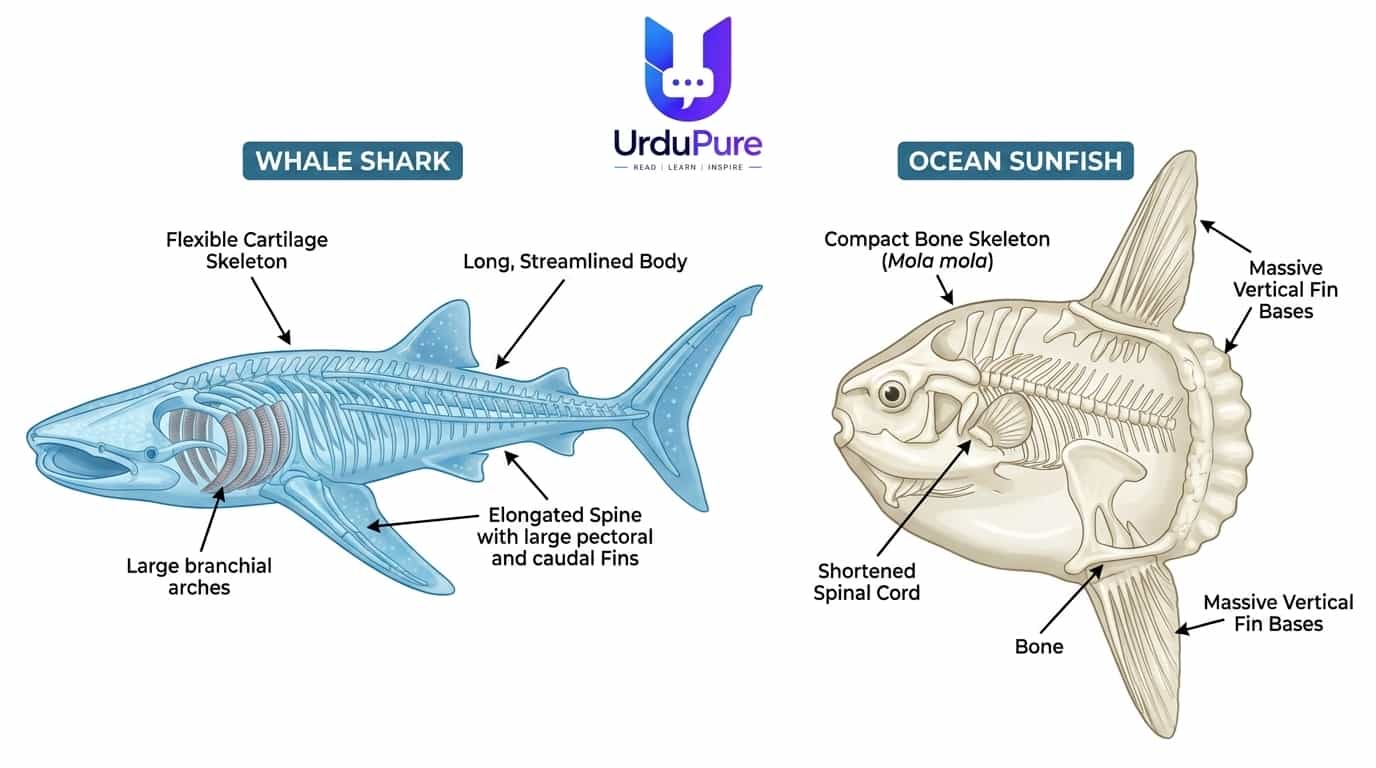
Anatomy of an Absurdity: Why Does It Look Half-Eaten?
The Latin name Mola translates directly to "millstone," an apt description for a rough, gray, roughly circular monolith. If you asked a child to draw a fish and then cut it in half right behind the pectoral fins, you would accidentally recreate the exact morphology of the sunfish.
       _____   ____
      /     \_/    \     ___   <-- Elongated Dorsal Fin
     /   O          \   |   |
    |                |--|   |
    |    o           |  |___|
     \              /    ___
      \___________/_____|   |  <-- Elongated Anal Fin
                   \____|___|

            ^ No True Tail Tail (The Clavus)
Evolutionary biology is rarely wasteful, so how did an animal end up missing its entire back half?
The Missing Caudal Fin and the Invention of the Clavus
During its larval and juvenile stages, a sunfish looks relatively normal. But as it matures, its caudal fin (the traditional tail fin that fish use for forward propulsion) simply stops developing. Instead, it folds completely inward on itself.
In its place, the fish forms a frilly, rudder-like structure called a clavus. The clavus is formed by the convergence of the fin rays from the dorsal (top) and anal (bottom) fins.
How Does It Swim?
Because it lacks a traditional tail to wag, a Mola cannot swim like a normal fish. Instead, it turns its massive, elongated dorsal and anal fins into a pair of vertical wings. It moves through the water by flapping these fins synchronously from side to side, effectively "flying" through the ocean currents much like a penguin or a sea turtle, using the clavus purely as a steering rudder.
Fused Internal Framework
To withstand the immense mechanical torque of flapping two massive vertical fins without a mid-body to absorb the flex, the sunfish’s internal anatomy underwent radical consolidation. Its spinal column is remarkably short, containing fewer vertebrae than almost any other fish relative to its size. In fact, its spinal cord is actually shorter than its brain. The skeleton is highly reduced, lightweight, and surprisingly porous, balancing the need for structural support with buoyancy management.
The 60-Million-Times Growth Miracle
The absolute most mind-boggling fact about the ocean sunfish is not how large it ends up, but how small it begins. It represents the most extreme, lopsided growth curve of any vertebrate animal on Earth.
When a female sunfish reproduces, she doesn't drop a dozen or even a thousand eggs. She releases up to 300 million eggs into the open ocean at a single time. This is the highest reproductive output ever recorded for any vertebrate creature.
[Egg: 0.13 cm] ---> [Larva: Sand Grain Size] ---> [Adult Mola: 3 Meters / 2.3+ Tons]
     |____________________________________________________________________|
                    An Increase of Over 60,000,000x In Mass
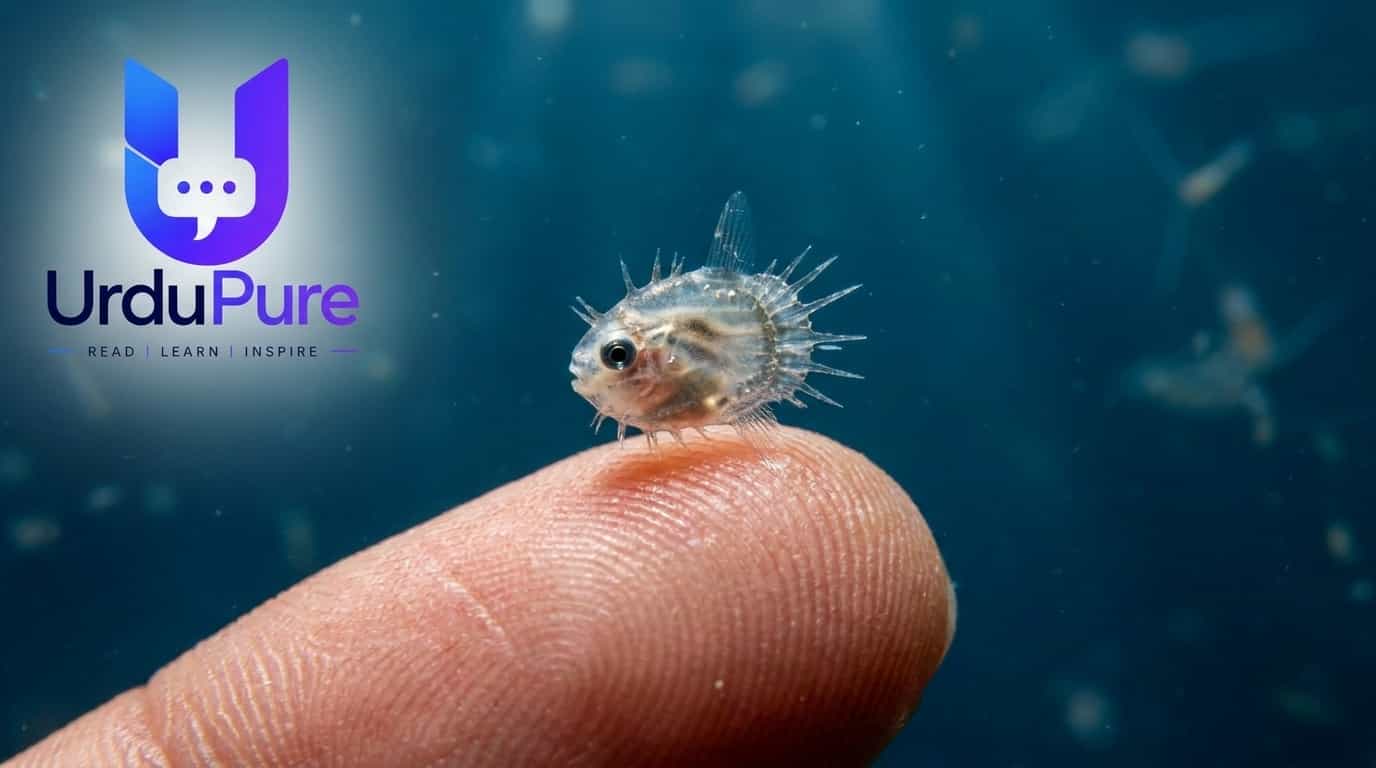
A single egg is a mere 0.13 centimeters wide. When the larva hatches, it is roughly the size of two grains of table salt. It looks like a tiny, translucent pufferfish covered in microscopic spikes to keep from being instantly swallowed by passing plankton.
To reach an adult size of three meters and over two tons, that tiny sand-grain larva must increase its body mass by an estimated 60 million times.
The Insulin-Like Growth Factor Secret
How does an animal pull off this level of rapid tissue expansion? Genetic sequencing of the Mola genome has revealed a hyper-accelerated evolution of genes regulating growth hormone pathways. Specifically, their genes for insulin-like growth factors (IGFs) and specialized extracellular matrix proteins are highly duplicated and overactive.
In monitored environments, juvenile sunfish have been documented gaining over 400 kilograms in just 15 months—an average of nearly one kilogram of raw bone, skin, and cartilage generated every single day.
The Jellyfish Paradox: Building a Titan on Zero Calories
If you want to build a two-ton animal on land, you eat calorie-dense food: grass, leaves, nuts, or other animals. If you are a whale shark or a baleen whale, you filter millions of nutrient-rich krill and small schooling fish.
The sunfish ignores all of these sensible options. Instead, its primary diet consists almost exclusively of gelatinous zooplankton—jellyfish, salps, ctenophores, and siphonophores.
Diet = Jellyfish ≈ 95% Water + 5% Organic Matter
Jellyfish are essentially animated water. They possess almost zero nutritional value, minimal protein, and negligible caloric content. This creates an energetic paradox: How does a fish grow larger than a car by eating something that has fewer calories than celery?
The Consumptive Volume Strategy
The answer lies in raw, unadulterated volume. The Mola is a vacuum cleaner of the open ocean. Because its food is so low in calories, it must consume massive quantities of gelatinous prey every day, sometimes eating up to 10% to 15% of its own body weight.
To facilitate this constant grazing, the sunfish’s mouth is modified into a rigid, non-retractable beak, formed by the fusing of its teeth—much like its close relatives, the pufferfish and porcupinefish. It uses this beak to chop up large jellyfish, and then utilizes specialized pharyngeal teeth (a second set of jaws located deep in its throat) to grind the slippery prey down before it hits a highly elongated, efficient digestive tract.
The Deep-Sea Hunter Myth
For decades, text books described the sunfish as a lazy, planktonic drifter that spent its life floating uselessly at the surface of the sea. Modern satellite tagging technology completely shattered this myth.
We now know that Molas are incredibly active, vertical migrators. They routinely dive into the twilight zone—depths of 400 to 800 meters—to hunt siphonophores and deep-sea jellies. The water at these depths is profoundly cold, hovering just above freezing.
After spending hours hunting in the dark, icy depths, the sunfish experiences a dangerous drop in its core body temperature. To fix this, it ascends rapidly to the surface of the ocean and turns its massive flat body sideways, laying flat against the water's surface.
This behavior, which early mariners mistook for dying or laziness, is actually a vital survival mechanism called thermal recharging. It is using its massive surface area like a biological solar panel, soaking up the heat of the sun before plunging back down into the abyss for another hunt.
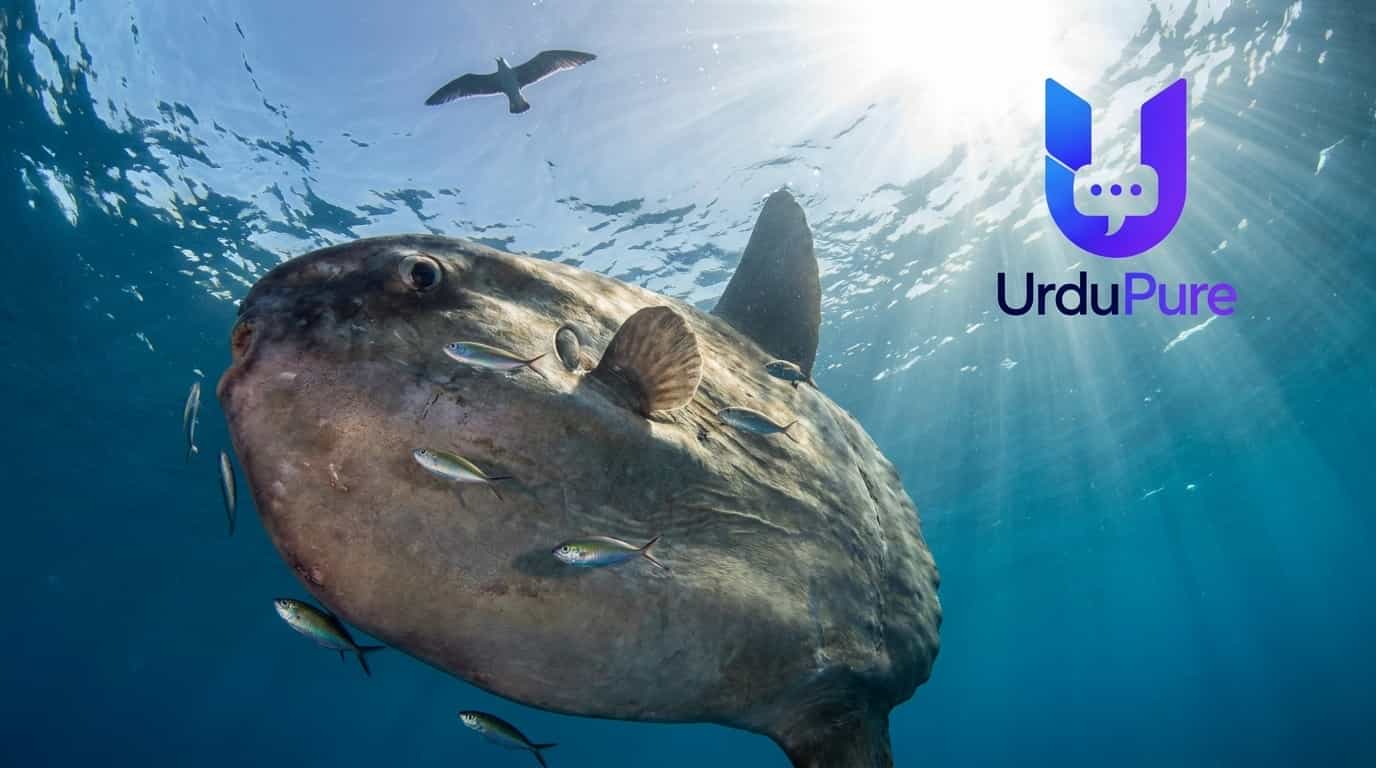
Life as a Floating Island: The Parasite Problem
If you look closely at the skin of an adult sunfish, you will realize you are not looking at an individual animal; you are looking at a bustling metropolis.
Because the sunfish is slow-moving, lacks protective scales, and spends its time transitioning between deep-sea trenches and warm surface waters, it is a prime target for marine hitchhikers. Scientists have recorded over 50 different species of parasites living on and inside a single sunfish. It is a biological nesting doll: a Mola can have a copepod parasite attached to its skin, which in turn has its own microscopic parasites feeding on it.
+--------------------------------------------------------+
|                   THE SUNFISH SKIN                     |
|                                                        |
|   [Macro-Parasite: Pennella Copepod]                   |
|         └── [Micro-Parasite: Hyper-Parasitic Diatoms]   |
|                                                        |
|   [Remora Fish] ── Cleans the surface layers           |
+--------------------------------------------------------+
To deal with this constant, irritating, and potentially fatal parasite load, the sunfish has evolved a series of communal health behaviors that link it intimately to other ocean ecosystems:
The Avian Spa: When basking at the surface, the Mola will flag down passing seabirds (like gulls or albatrosses). The fish breaks the surface tension with its fins, inviting the birds to land directly on its exposed flank and pick deep-seated skin parasites out of its flesh like naturally occurring tweezers.
The Kelp Reef Clinic: Sunfish frequently travel to coastal kelp forests, where they present themselves to schools of small reef fish, such as cleaner wrasses and halfmoons. The sunfish will float completely still, allowing these tiny sanitation squads to clean its eyes, gills, and mouth of invasive critters.
The Belly Flop Breaching: If mutualistic cleaning fails, the sunfish resorts to violence. Despite its awkward shape, a Mola can accelerate from deep water and launch its entire three-ton body completely out of the sea, clearing the surface by up to three meters. It then crashes back down with an explosive, concussive belly flop. Marine biologists believe this heavy impact is designed to dislodge stubborn, deeply embedded parasites from its leathery skin.
A Giant Under Threat: The Anthropogenic Reality
The ocean sunfish has survived for millions of years by out-reproducing its predators. While sea lions, killer whales, and great white sharks will occasionally hunt them—often biting off their fins and leaving the disk-shaped bodies to sink like Frisbees—their massive reproductive output kept populations exceptionally stable.
Then came modern industrial fishing.
Today, the International Union for Conservation of Nature (IUCN) lists the Mola mola as Vulnerable to Extinction. They are not targeted by commercial fleets for their meat (which is highly gelatinous, prone to heavy parasite loads, and banned from sale in the European Union, though prized in certain traditional Asian medicine markets). Instead, their greatest enemy is bycatch.
[Industrial Driftnet / Trawl Net]
       │
       ├──> Target: Swordfish or Tuna
       │
       └──> Accidental Catch: Mola Mola (Slow, surface-basking, unevasive)
Because sunfish spend so much time at the surface thermal recharging and are slow to maneuver, they are caught in horrifying numbers by commercial driftnets, longlines, and mid-water trawls aimed at swordfish and tuna. In some fisheries, such as the Mediterranean swordfish driftnet fishery, sunfish make up to 70% to 90% of the total catch by weight. They are simply pulled up, tangled, suffocated, and tossed back into the sea as waste.
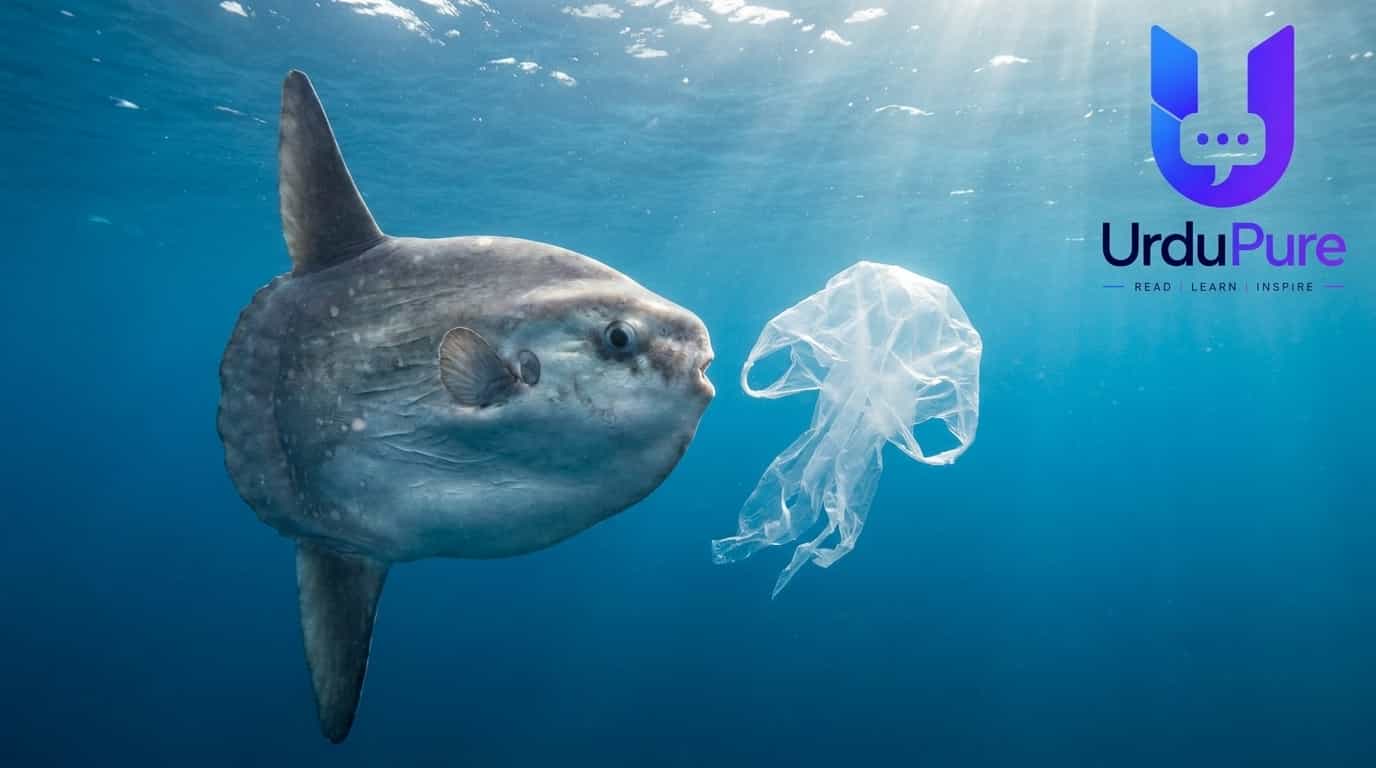
Furthermore, the sunfish's unique diet has turned our polluted oceans into a minefield. To a hungry Mola swimming through the sunlit zone, a clear plastic grocery bag floating in the current looks identical to a nutritious jellyfish. When ingested, the plastic cannot be broken down by their specialized digestive tracks, causing permanent impactions, starvation, and a slow, painful death.
The Verdict: Unmasking the Truth Behind the Meme
When you look back at that viral photo of the gargantuan, tail-less stone disc floating beside a boat, your brain can fully release its skepticism.
Is the image a fake? No. The species Mola alexandrini routinely reaches those mind-altering sizes.
Is it an evolutionary failure? Absolutely not. Any creature that can grow 60 million times its starting size on a diet of calorie-deficient water-bags while diving down to the freezing twilight zone is an unmitigated evolutionary triumph.
Is it the biggest fish in the world? No—give the Whale Shark its well-deserved crown.
The ocean sunfish is something much better than a broken internet record. It is a live-action demonstration of how wonderfully weird life on Earth becomes when given enough time, space, and ocean currents to work with. It reminds us that the deep blue doesn't just hide terrifying predators; it plays host to gentle, floating castles that bask in the afternoon sun, waiting for a passing bird to clean their skin. It is real, it is absurd, and it deserves our protection.






Discussion
Comments
Approved comments are published after moderation to keep discussion useful and spam-free.
No comments yet. Start the discussion below.