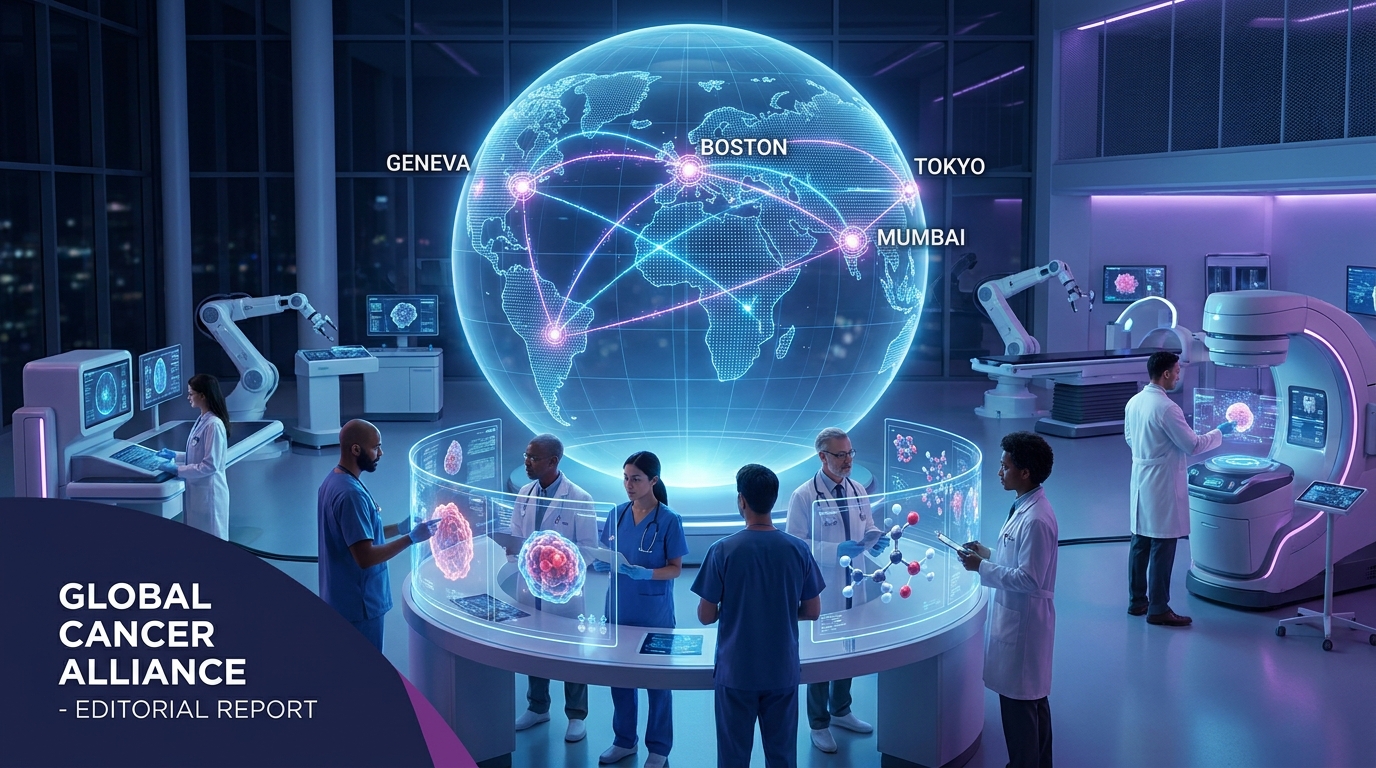
The Global Race to Improve Cancer Care 🌍🧬
Cancer remains one of the most devastating health challenges of the modern era. According to the International Agency for Research on Cancer (IARC), cancer accounted for approximately 9.7 million deaths worldwide in 2022, making it one of the leading causes of mortality globally. Epidemiological estimates suggest that one in five individuals will develop cancer during their lifetime, underscoring the urgent need for effective prevention, early detection, and advanced treatment strategies.
Despite these alarming statistics, significant progress has been made in oncology research, medical technology, and healthcare policy. Countries around the world are investing heavily in cancer research, precision medicine, immunotherapy, and early screening programs. These initiatives have resulted in improved survival rates, better treatment accessibility, and more personalized therapeutic approaches.
This article examines 15 countries recognized for excellence in cancer treatment and care, based on factors such as medical infrastructure, survival rates, availability of cutting-edge therapies, specialist expertise, and national healthcare investment. The ranking draws insights from analyses by organizations such as the Organisation for Economic Co‑operation and Development (OECD) and global oncology research initiatives.
15. India
India has rapidly emerged as a major global destination for cancer treatment, particularly due to advanced medical technologies combined with relatively affordable healthcare costs. Leading hospitals provide internationally accredited oncology services, attracting patients from across Asia, Africa, and the Middle East.
A notable innovation is the availability of proton therapy, an advanced radiation treatment that precisely targets tumors while minimizing damage to surrounding tissues. Institutions such as Apollo Hospitals have pioneered proton therapy in South Asia. Government investment in cancer research and pharmaceutical development has further strengthened India's growing oncology ecosystem.
14. Netherlands
The Netherlands has achieved remarkable progress in reducing cancer mortality. Between 2011 and 2021, the country experienced a steeper decline in cancer deaths than the European Union average, reflecting strong public health policies and effective cancer control strategies.
The nation maintains an extensive network of radiotherapy centers and offers innovative treatments such as CAR-T cell immunotherapy, a revolutionary therapy that modifies immune cells to attack cancer. Several specialized centers across the country provide access to this advanced treatment modality.
13. Sweden
Sweden is internationally recognized for its high-quality oncology care and exceptional survival outcomes. Multidisciplinary treatment teams collaborate within specialized cancer centers, ensuring integrated and patient-centered care.
Sweden also benefits from strong pharmaceutical research, particularly through companies such as AstraZeneca, which plays a significant role in developing new oncology drugs. The country's universal healthcare system ensures that patients face minimal financial barriers to treatment.
12. China
With nearly 20% of global cancer cases, China has significantly expanded its oncology infrastructure over the past decade. The government has implemented ambitious targets to improve cancer survival rates and reduce premature deaths from non-communicable diseases by 2030.
Major institutions such as Peking University Cancer Hospital & Institute are leading centers for cancer research and treatment. China is also advancing rapidly in personalized medicine, accelerating drug approvals and expanding access to innovative therapies.
11. Brazil
Brazil has made substantial investments in oncology, allocating billions of dollars annually to cancer treatment through both public and private healthcare systems. Approximately 78% of the population relies on public healthcare, which includes dedicated funding for cancer programs.
Elite institutions such as Hospital Israelita Albert Einstein provide internationally recognized oncology care and advanced treatment options.
10. Iceland
Iceland maintains cancer mortality rates below the European Union average, reflecting a strong emphasis on early detection and advanced treatment infrastructure.
Healthcare services are centered around institutions such as Landspitali University Hospital, which provides specialized oncology services supported by high-quality radiotherapy equipment and nationwide accessibility.
9. Australia
Australia demonstrates impressive survival outcomes, with approximately 70% of cancer patients surviving at least five years after diagnosis. This success stems from sustained investment in research and advanced oncology facilities.
One of the country's leading cancer institutions is Peter MacCallum Cancer Centre in Melbourne, which integrates clinical treatment, research, and education to advance cancer care.
8. France
France has established itself as a global leader in oncology innovation. The renowned cancer institute Gustave Roussy is considered one of the world’s top cancer hospitals.
The government’s National Cancer Strategy (2021–2030) focuses on expanding screening programs, accelerating research, and reducing preventable cancer deaths through improved prevention policies.
7. Canada
Canada is known for its ability to rapidly integrate new medical innovations into clinical practice. The country has invested heavily in cancer research through organizations like the Canadian Institutes of Health Research.
Recent breakthroughs include advanced CAR-T immunotherapies, which train immune cells to recognize and destroy cancer cells throughout the body.
6. Japan
Japan ranks among the global leaders in cancer survival rates, particularly for stomach and lung cancers. The country's success is driven by advanced medical technologies, widespread screening programs, and strong clinical research.
Japan also pioneered new therapies such as oncolytic virus therapy, which uses genetically modified viruses to attack cancer cells.
5. Germany
Germany's healthcare system provides high accessibility and advanced oncology services, supported by extensive screening programs and specialized cancer centers.
One of the country’s leading institutions is Charité – Universitätsmedizin Berlin, one of Europe’s largest university hospitals and a major center for cancer research and treatment.
4. Norway
Norway offers universal healthcare coverage and minimal patient copayments, ensuring equitable access to cancer treatment.
The country invests heavily in precision medicine and radiotherapy infrastructure, with radiotherapy center availability exceeding the European average.
3. Finland
Finland demonstrates some of the highest cancer survival rates in Europe, supported by comprehensive screening programs and national vaccination initiatives.
Legislation such as the Screening Act and advanced research initiatives help accelerate access to targeted therapies and personalized treatments.
2. Belgium
Belgium has exceptionally high survival rates for several cancers, including breast cancer (85.4%) and prostate cancer (92.6%). The country also maintains a strong oncology workforce and research infrastructure.
The Leuven Cancer Institute is one of the leading European centers offering proton beam therapy, a highly precise form of radiation treatment.
1. United States
The United States remains the global leader in cancer treatment due to massive research funding, cutting-edge technology, and world-class medical institutions.
Organizations such as the National Cancer Institute drive innovation in oncology through billions of dollars in research funding. The country has achieved notable survival rates, including 97% for prostate cancer and 92% for testicular cancer, demonstrating the effectiveness of advanced treatments and early detection programs.
A Global Effort Against Cancer 🧪
Cancer care continues to evolve rapidly, driven by breakthroughs in immunotherapy, precision medicine, genetic research, and early detection technologies. While the countries highlighted above represent global leaders in oncology care, international collaboration remains essential in improving outcomes worldwide.
As research advances and access to innovative treatments expands, the global fight against cancer moves closer to a future where earlier diagnosis, personalized therapy, and improved survival rates become the global standard of care.
✅ Sources:
Insider Monkey, OECD Country Cancer Profiles, European Commission Health Reports, and global oncology research data.





Discussion
Comments
Approved comments are published after moderation to keep discussion useful and spam-free.
No comments yet. Start the discussion below.