Pakistan Faces Drier, Hotter August as PMD Warns of Multiple Climate Risks
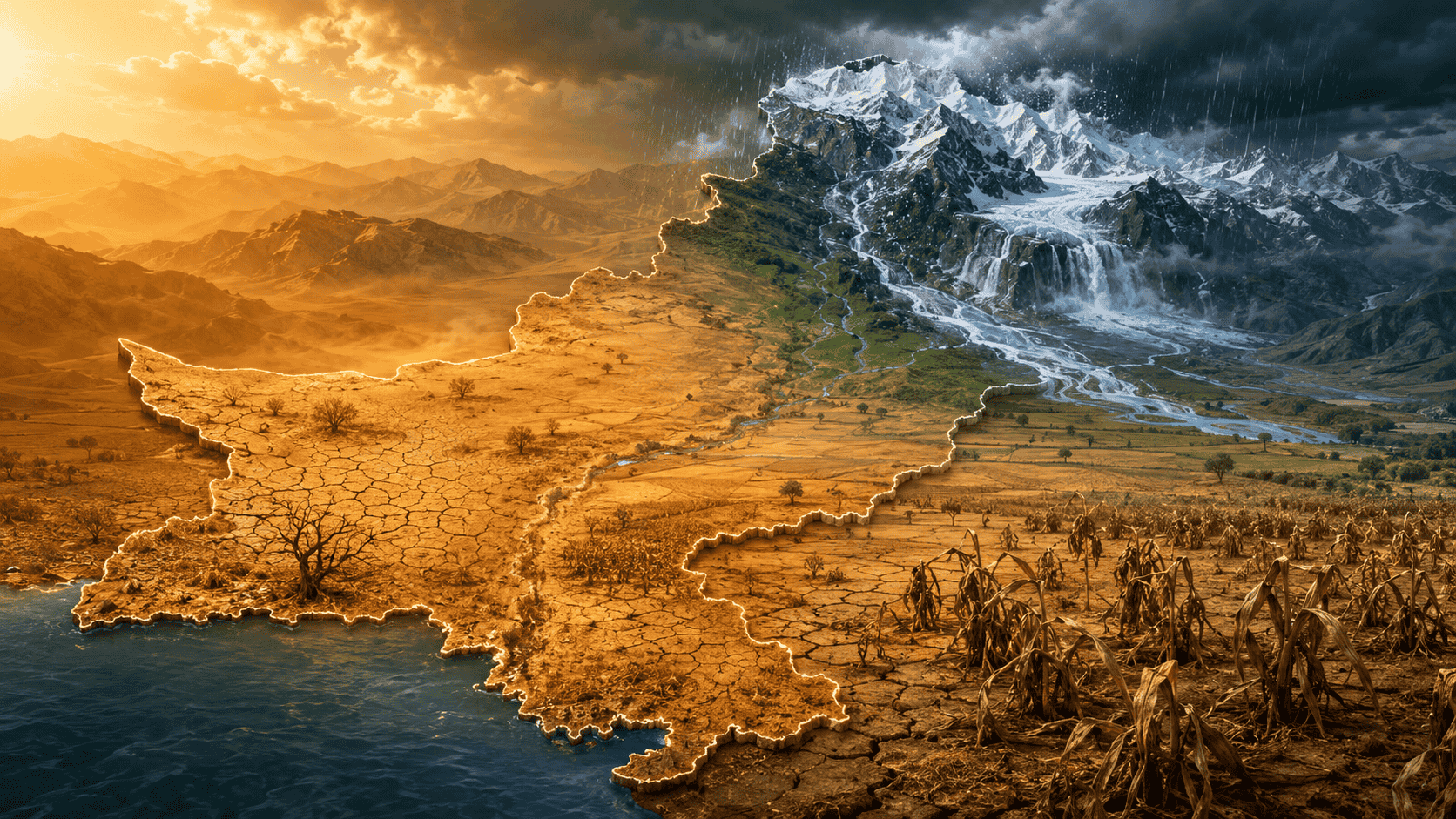
Pakistan is expected to receive below-normal rainfall across most regions during August 2026, while temperatures are likely to remain above normal. The combination could increase irrigation pressure in Punjab and Sindh, intensify heat stress and still produce dangerous flash floods, glacier melt and landslides in northern areas.
The Pakistan Meteorological Department has issued a complex August outlook in which much of the country may experience less rain than usual—without eliminating the danger of destructive local downpours.
Punjab, Sindh, southern Khyber Pakhtunkhwa and most of Balochistan face the strongest probability of below-normal rainfall. Gilgit-Baltistan, northern Khyber Pakhtunkhwa and adjoining areas of Kashmir could receive near-normal or above-normal rain.
Temperatures are expected to remain above normal nationwide, according to the PMD outlook reported by Business Recorder.
Punjab and Sindh face agricultural pressure
Lower rainfall could reduce the water naturally available to Kharif crops, vegetables and orchards. Farmers—particularly in Punjab and Sindh—may need additional irrigation from reservoirs or groundwater.
This could raise cultivation costs and place further pressure on water resources during an important period for Pakistan’s agricultural economy.
Strong winds, thunderstorms, dust storms and hail could also damage standing crops during isolated weather events. Farmers should check short-term PMD advisories before irrigation, spraying or harvesting.
Drier weather does not eliminate flood danger
Below-normal monthly rainfall does not mean every day will remain dry.
A small number of intense rain spells could still cause:
Urban flooding in major cities
Flash floods in mountainous districts
Hill torrents in southern Punjab and Balochistan
Landslides in vulnerable northern areas
Sudden increases in streams and river flows
This distinction matters because seasonal forecasts describe overall rainfall across a month. They cannot rule out severe local downpours lasting several hours or days.
Glacier melt could raise northern flood risk
Above-normal temperatures in Gilgit-Baltistan and northern Khyber Pakhtunkhwa may accelerate the melting of snow and glaciers.
When meltwater combines with rainfall runoff, it can increase the danger of river flooding, flash floods, landslides and glacial lake outburst floods.
Residents, tourists and transport operators in mountain regions should monitor local weather and disaster-management advisories before travelling.
Heat stress likely across the plains
Long dry periods and above-normal temperatures could increase heat stress across Punjab, Sindh and Balochistan.
People working outdoors, older adults, children and those without reliable cooling or drinking water may face the highest risk. Employers and local authorities should prepare for altered working hours, hydration requirements and possible health emergencies during unusually hot periods.
Dengue risk remains despite lower rainfall
PMD has also warned that dengue outbreaks remain possible in poorly drained, low-lying and previously flooded urban areas.
Even limited rainfall can leave standing water in containers, construction areas, blocked drains and empty plots. Households should remove stagnant water and follow public-health guidance rather than interpreting a dry forecast as the end of mosquito risk.
What Pakistan should monitor during August
The national outlook may change through shorter-range forecasts. Important developments include:
Updated PMD heatwave and rainfall advisories
Reservoir and irrigation-water conditions
Crop stress in Punjab and Sindh
Glacier and snowmelt warnings in the north
Urban-flood alerts during concentrated rainfall
Dengue surveillance in densely populated cities
Key facts
National rainfall outlook: Below normal across most of Pakistan
Temperature outlook: Above normal nationwide
Strongest rainfall deficits: Punjab, Sindh, southern KP and much of Balochistan
Near/above-normal rain: Parts of Gilgit-Baltistan, northern KP and Kashmir
Major risks: Heat stress, irrigation shortages, flash floods, GLOFs, landslides and dengue
Forecast period: August 2026
Frequently asked questions
Will Pakistan receive no rain in August 2026?
No. Below-normal rainfall means the monthly total is expected to be lower than the historical average. Individual areas can still experience intense rainfall and flooding.
Which provinces face the greatest rainfall shortage?
Punjab, Sindh, southern Khyber Pakhtunkhwa and most of Balochistan have the strongest likelihood of below-normal rainfall.
Could northern Pakistan still experience floods?
Yes. Rainfall, higher temperatures and accelerated glacier melt could combine to increase river, flash-flood, landslide and GLOF risks.
How could the forecast affect agriculture?
Reduced rainfall could increase irrigation requirements and production costs for Kharif crops, vegetables and orchards, particularly in Punjab and Sindh.
Is dengue still a concern?
Yes. Stagnant water in low-lying or poorly drained areas can continue supporting mosquito breeding even when overall rainfall is below normal.
PMD August forecast, Pakistan rainfall August 2026, Pakistan heat forecast
Kharif crops, water shortage, glacier melt, GLOF risk, dengue risk, Pakistan monsoon
Pakistan, Punjab, Sindh, Balochistan, Khyber Pakhtunkhwa, Gilgit-Baltistan, Kashmir
PMD, Pakistan weather, August 2026, monsoon, climate change, Punjab agriculture, Sindh agriculture, glacier melt, floods