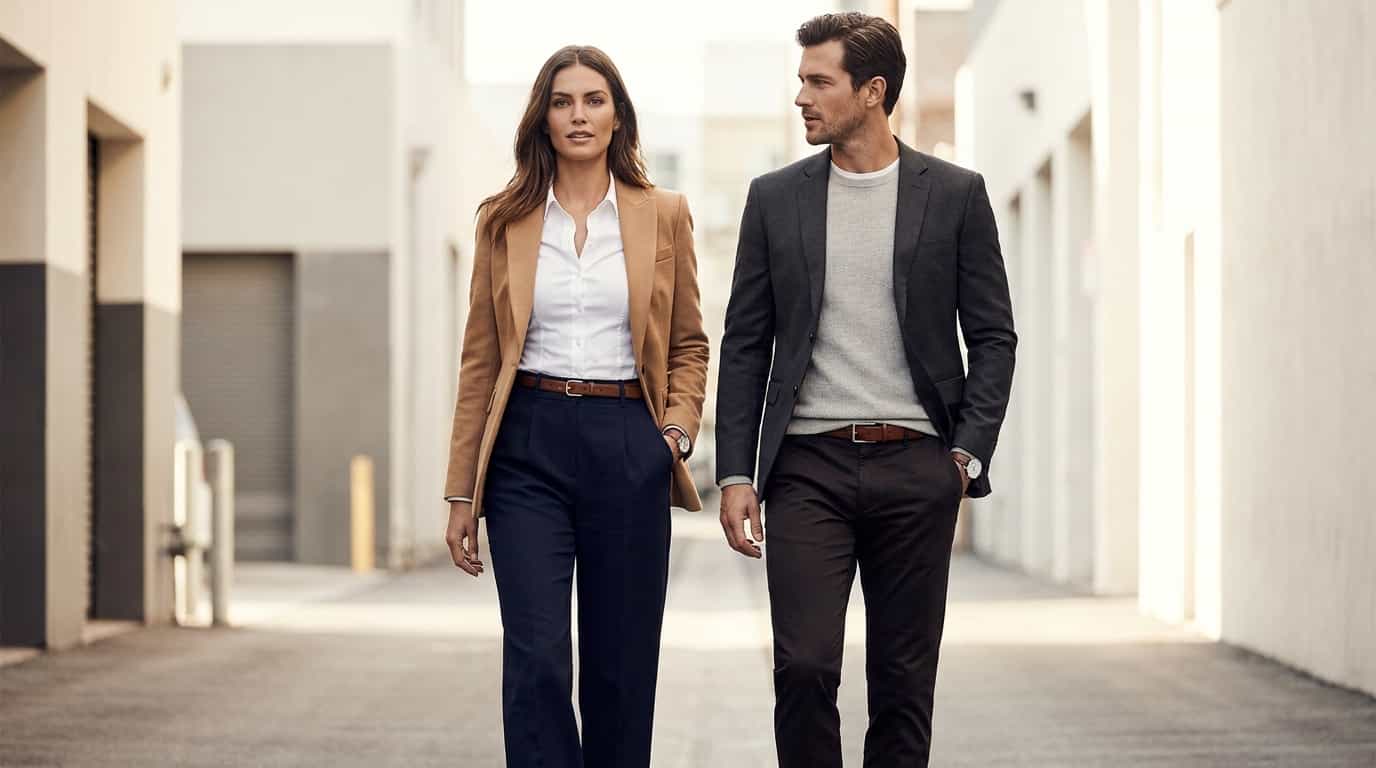
20 Effortless Styling Tricks That Make Affordable Clothes Look Expensive
You don't need a luxury wardrobe to look refined. The difference between an outfit that turns heads and one that blends into the background is rarely about budget — it's about intention, care, and knowing which details matter most. Here are 20 proven styling upgrades that transform everyday pieces into polished, elevated looks.
The Secret Every Stylist Knows
Professional stylists, personal shoppers, and fashion editors share one open secret: the most expensive-looking outfits are rarely the most expensive outfits. What separates a truly polished look from an average one is almost always attention to the details that most people overlook — fit, maintenance, proportion, and the specific way individual pieces are put together. None of these cost money. All of them require a shift in how you think about getting dressed.
The following 20 techniques are the ones that actually move the needle — the changes that are visible from across the room and that create the impression of intentional, considered style rather than clothes simply being worn.
1. Get the Fit Right — Everything Else Follows From This
A £30 shirt that fits perfectly will always look better than a £300 shirt that doesn't. Fit is the single most impactful styling variable available, and it costs almost nothing to address. Pants should break at the right point above your shoe. Jacket shoulders should sit at the edge of your actual shoulder. Shirt fabric should drape cleanly without pulling at buttons or bunching at the waist.
Basic tailoring — hemming trousers, taking in a waist, shortening sleeves — typically costs between £8 and £30 depending on the alteration and will transform how every garment looks on you. Find a good local tailor and use them.
2. Build Around a Neutral Colour Architecture
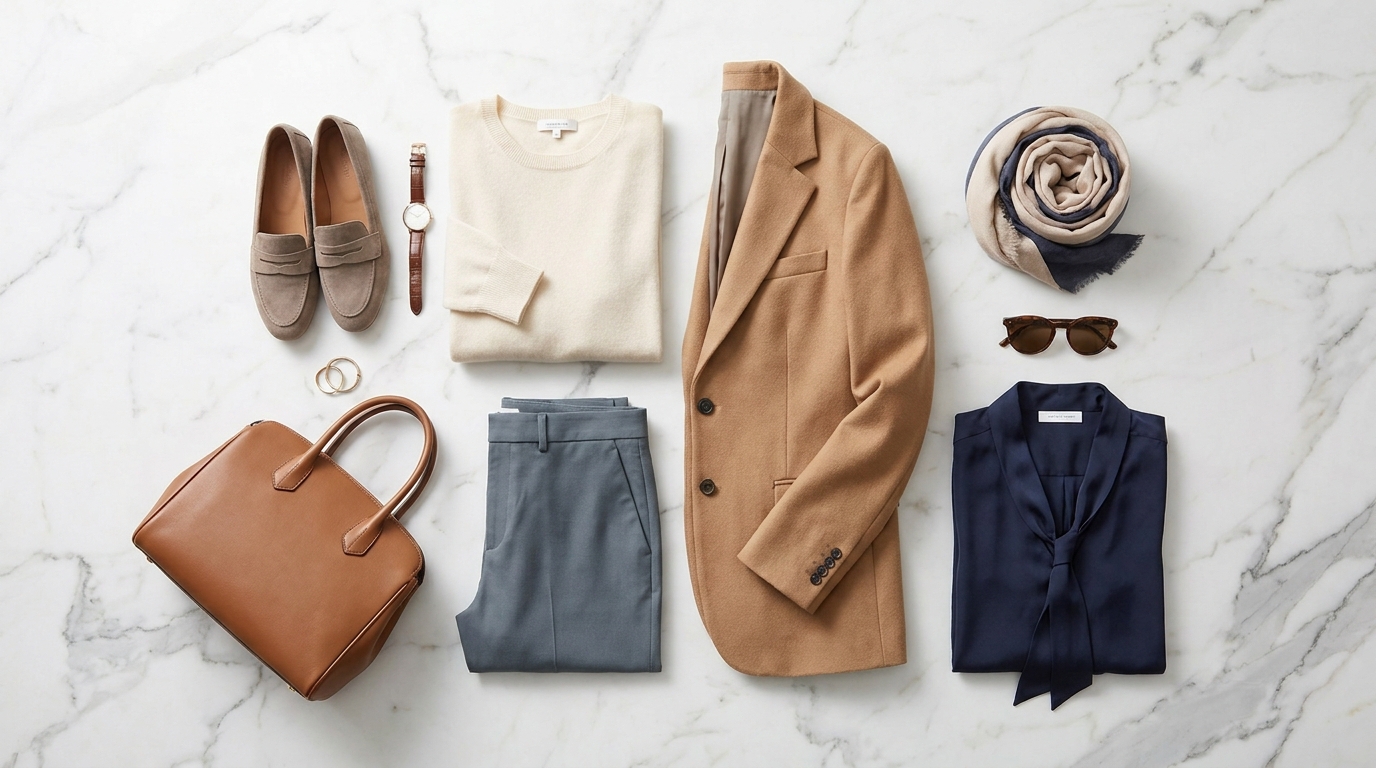
Clothes that appear to belong together — to have been chosen deliberately rather than assembled randomly — create the impression of a considered wardrobe. The simplest way to achieve this: build your core wardrobe around four or five complementary neutrals. Warm neutrals (camel, ivory, olive, warm grey) work together. Cool neutrals (slate, navy, stone, white) work together. Keep the palette within one temperature family and introduce colour as accent rather than foundation.
An outfit in two neutrals with one carefully chosen accent colour will consistently look more sophisticated than an outfit in four competing colours.
3. Steam Everything Before You Wear It
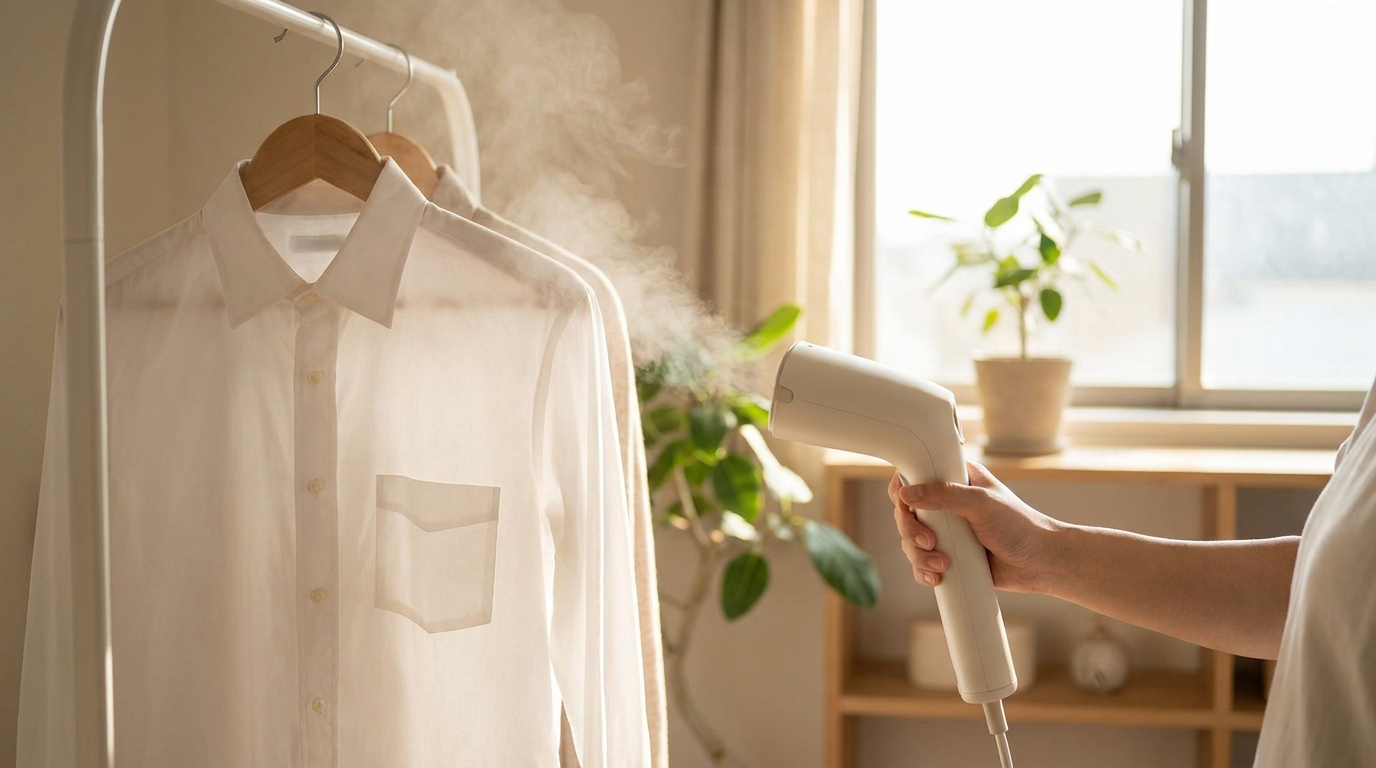
Wrinkles are the most common reason well-chosen outfits fail to land. Wrinkled fabric signals negligence — it tells the viewer that the garment wasn't considered before leaving the house. A compact travel steamer (£25–£40 / $30–$50) is one of the highest-return wardrobe investments available. Used for 60–90 seconds on a garment before wearing, it removes creases, refreshes fabric, and creates the smooth hang that makes fabric look dramatically more expensive than it is.
Linen, cotton, and wool especially benefit from steaming — materials that crease readily but look extraordinary when smooth.
4. Invest in One Excellent Outer Layer
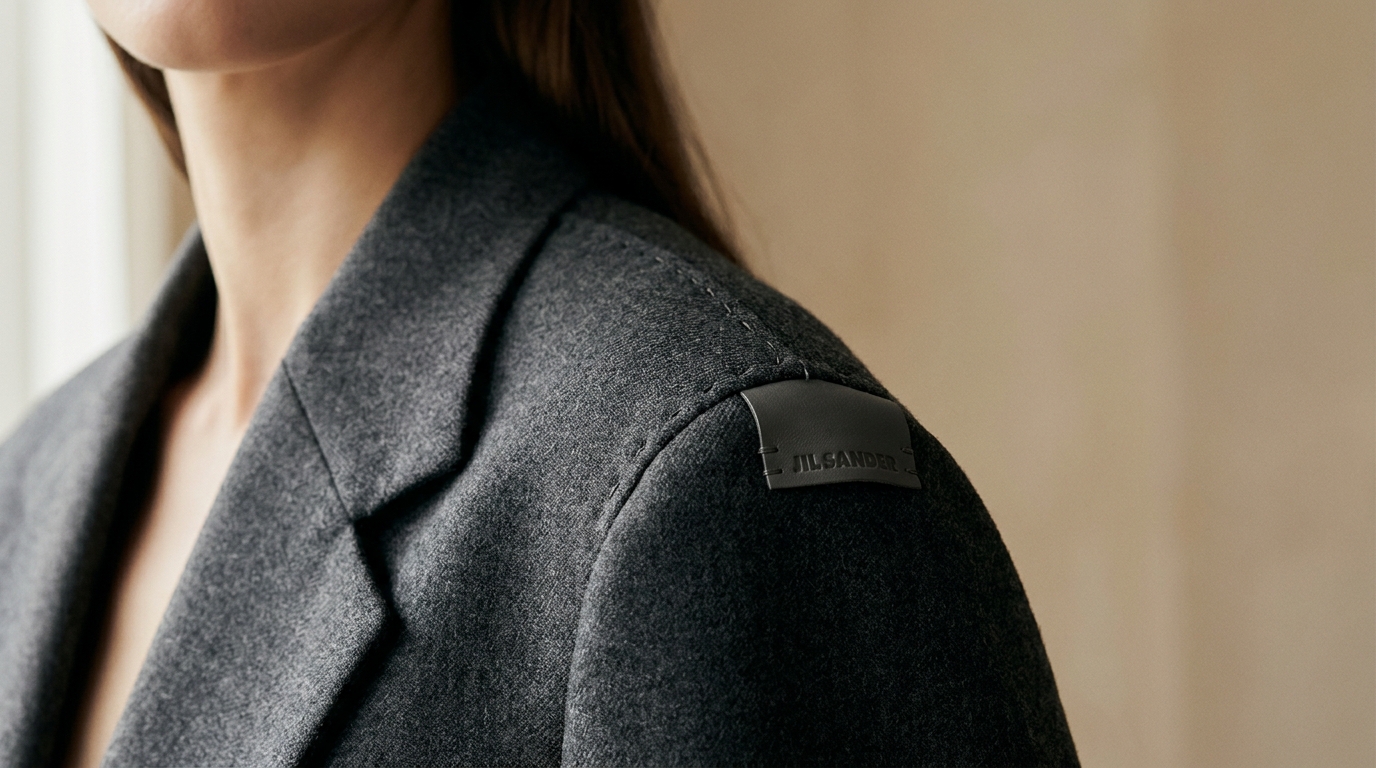
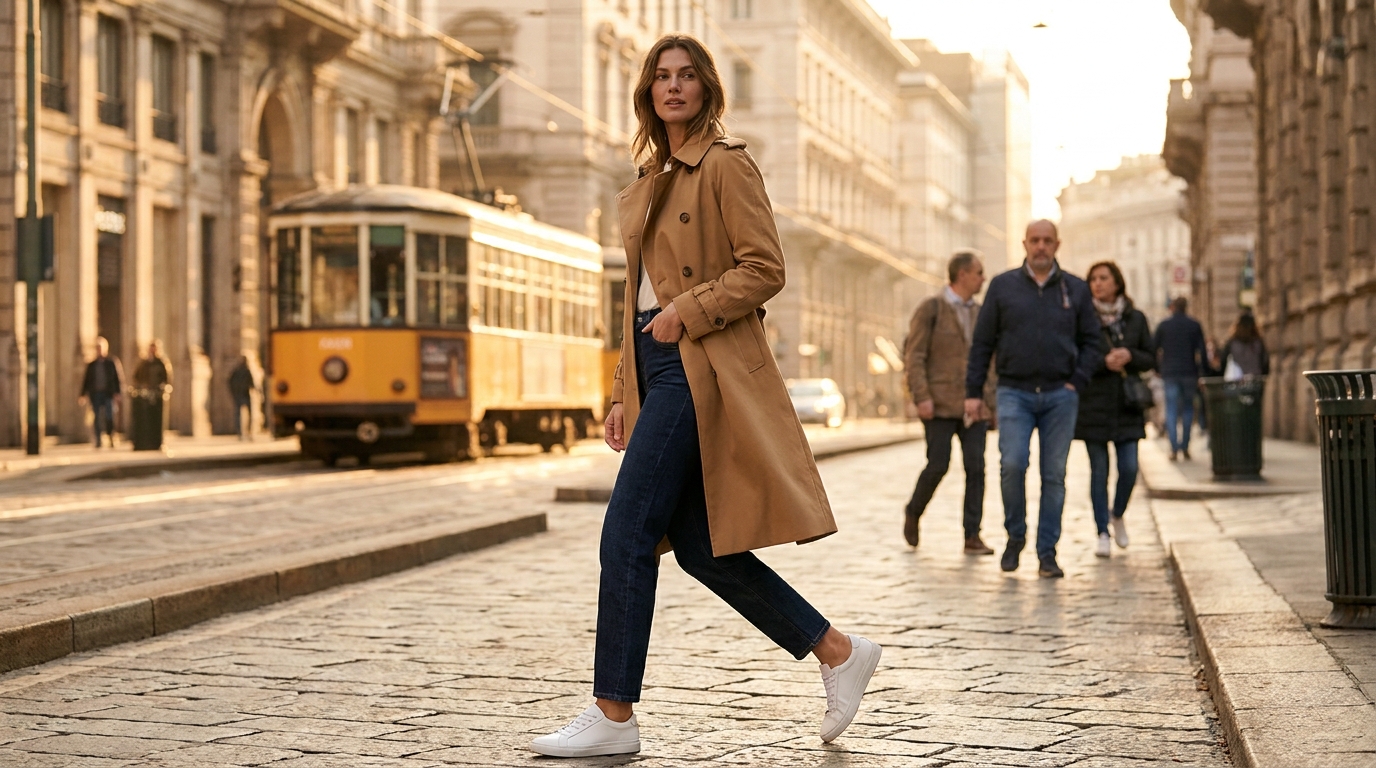
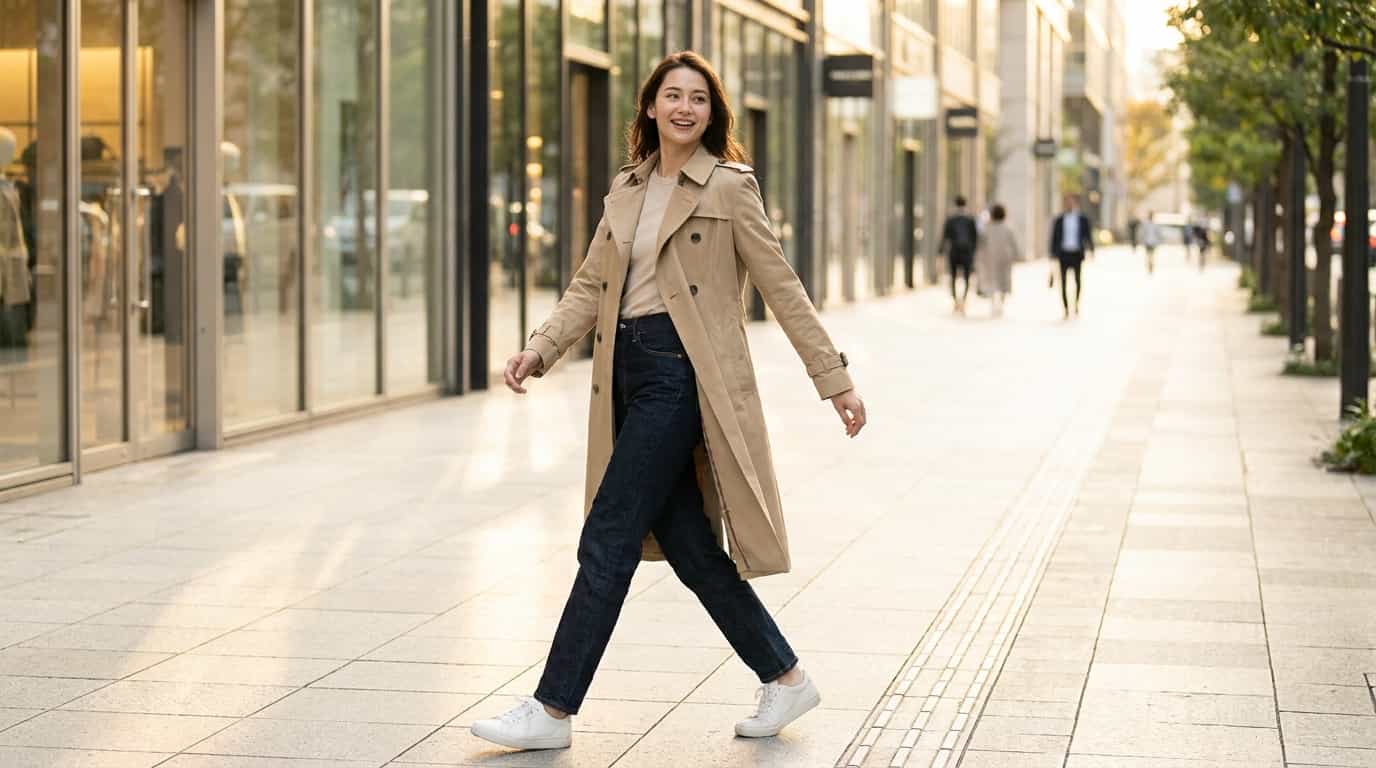
Your coat, jacket, or blazer is doing the most visual work in any outfit — it's the largest piece, often the first thing visible, and the frame through which everything underneath is read. A structured, well-cut outer layer elevates everything beneath it. A shapeless or poorly fitted one undermines it.
If there is a single area where spending more money genuinely changes the outcome, it's outerwear. A well-constructed coat worn over basic jeans and a simple top will read as a more expensive outfit than an elaborate ensemble under a poor coat. Prioritise this purchase above all others.
5. Treat Your Shoes as a Finishing Argument
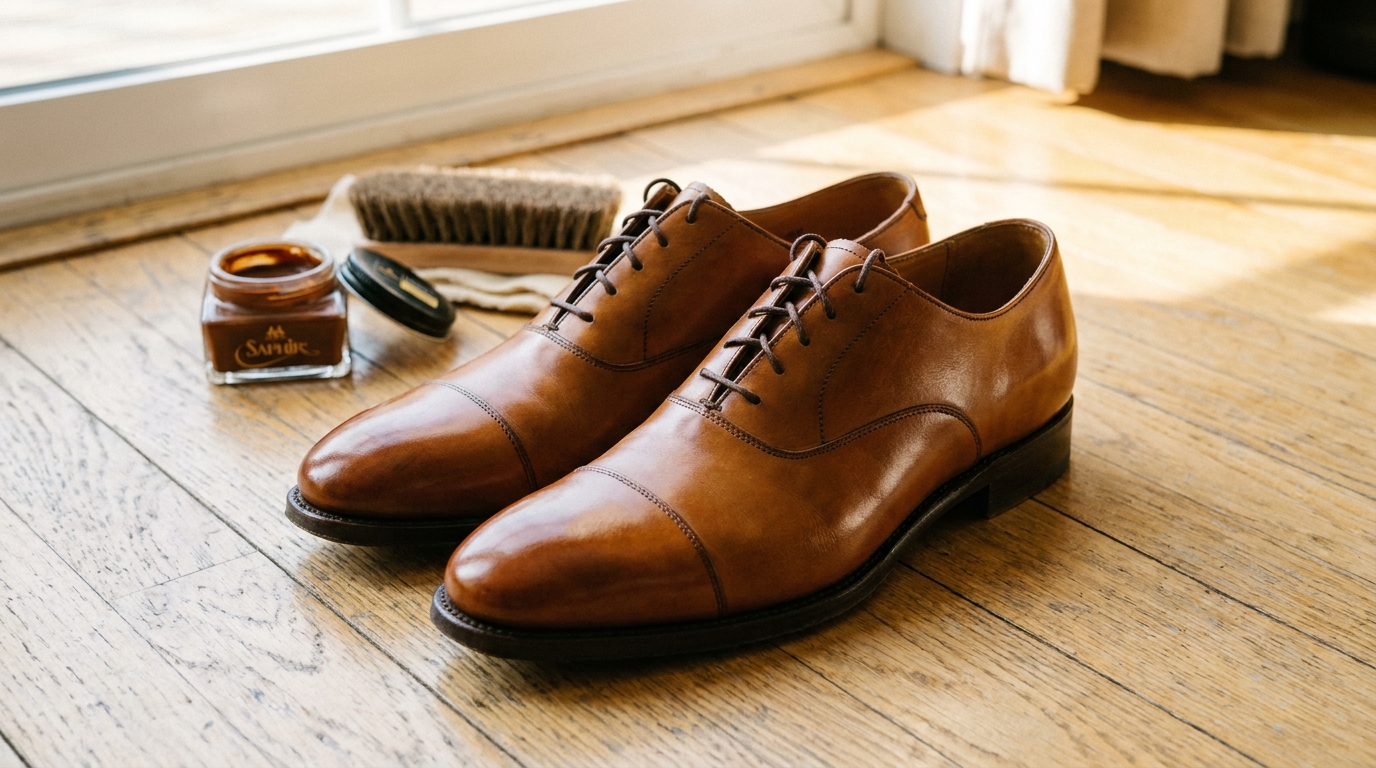
Shoes make or break outfits in a way that is disproportionate to the attention most people pay them. The most common mistake: wearing shoes that are fundamentally sound but poorly maintained — scuffed leather, dirty soles, fraying laces. Clean, well-conditioned, properly laced shoes signal that the entire outfit was chosen with care. Dirty or worn footwear signals the opposite, regardless of everything above the ankle.
Weekly cleaning and monthly conditioning for leather shoes. Replacing laces when they fray. Polishing before any occasion where you want to look your best. These are five-minute habits with outsized visual returns.
6. Master the Strategic Tuck
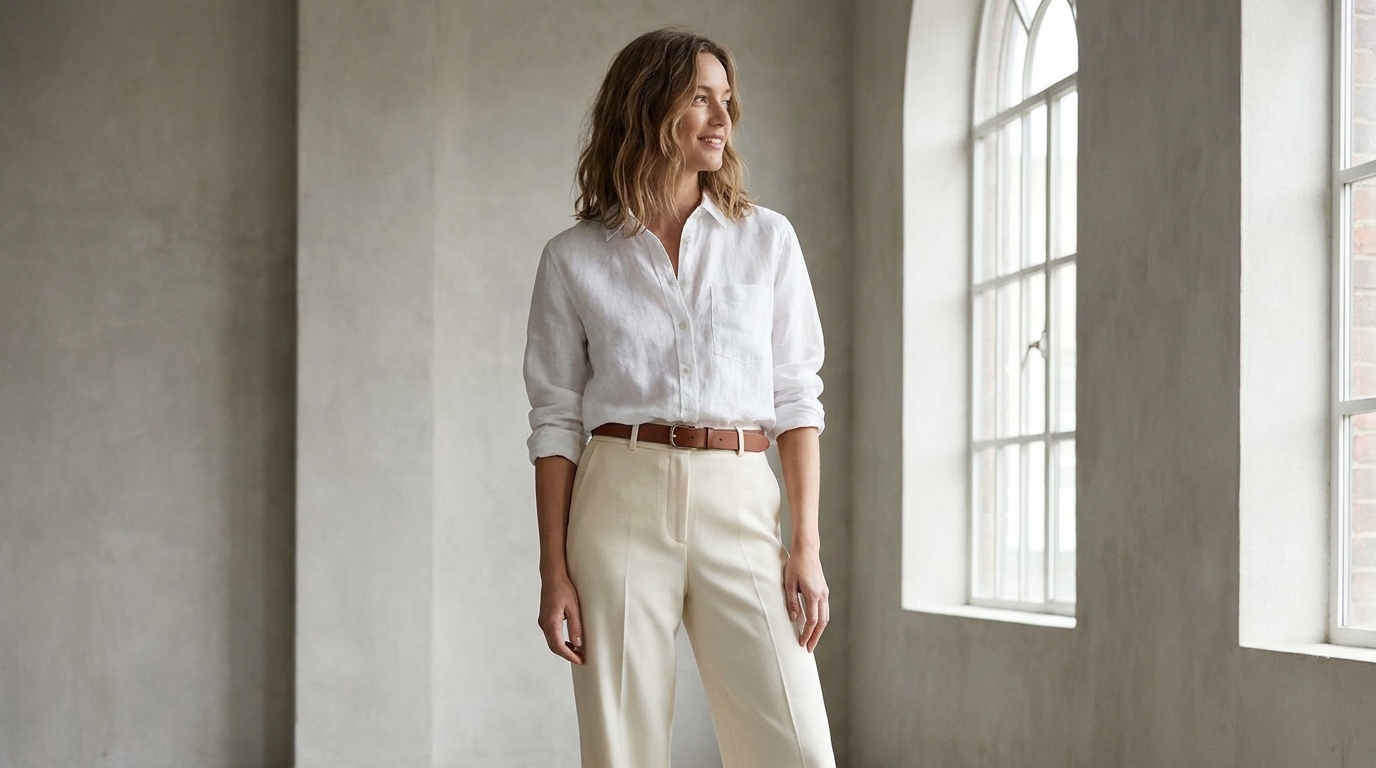
Whether it's a full tuck, a half-tuck, or a French tuck (front only), tucking a shirt or top into your bottoms creates a defined waist, adds intentionality to the silhouette, and eliminates the shapeless quality that untucked tops can produce. The specific approach depends on the top, the occasion, and your body: structured shirts look best fully tucked; relaxed linen tops work well with a loose half-tuck; fitted knitwear benefits from being left untucked most of the time.
The rule of thumb: if the bottom of your top ends between your hip and your mid-thigh, a strategic tuck usually looks more intentional than leaving it out.
7. Wear Tonal Dressing With Confidence
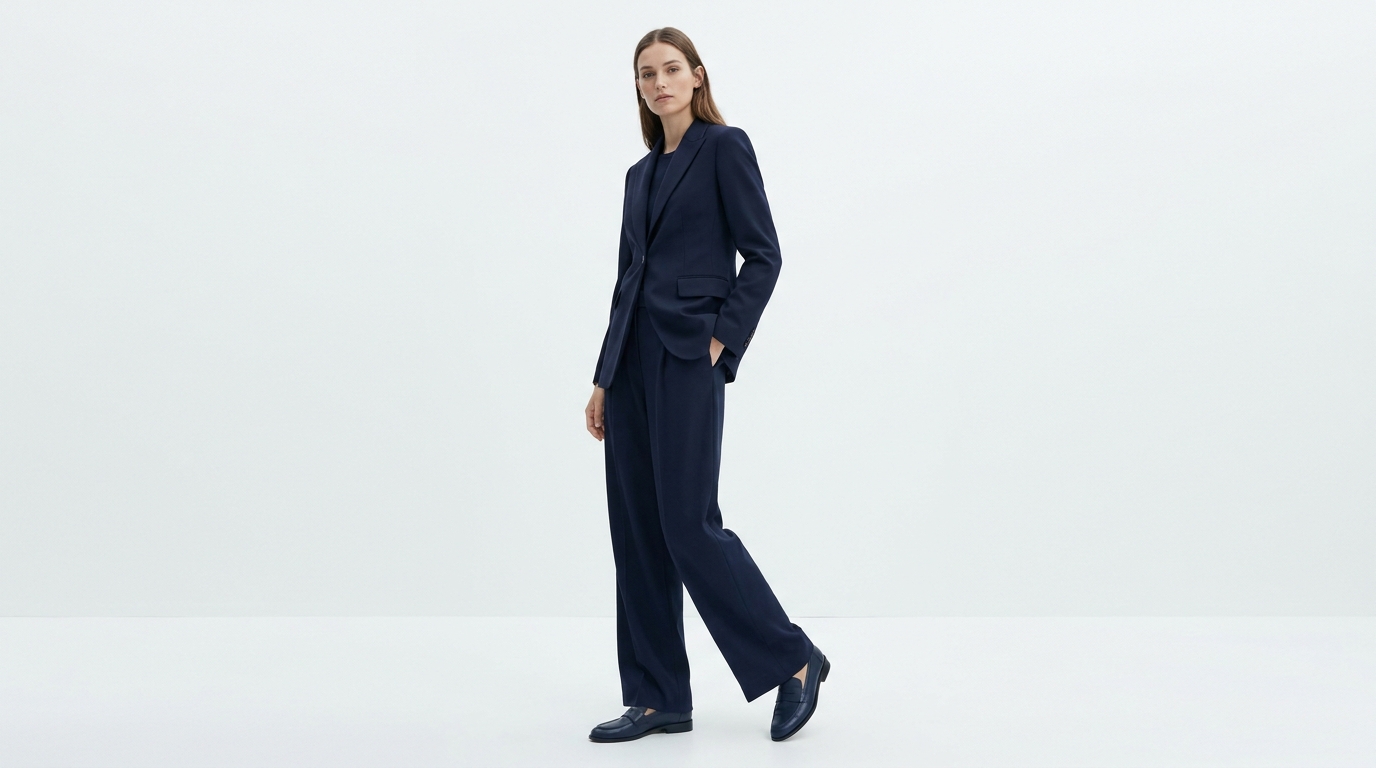
An outfit built entirely in one colour family — different shades and textures of the same hue — produces a look that is simultaneously simple and sophisticated. Tonal dressing creates the elongating vertical line that makes proportions look cleaner, signals the kind of considered restraint associated with high fashion, and removes the decision fatigue of colour-matching entirely.
Begin with all-navy, all-camel, or all-grey. Vary the textures — matte fabric with a slight sheen, smooth leather with knit — to prevent the look from appearing flat.
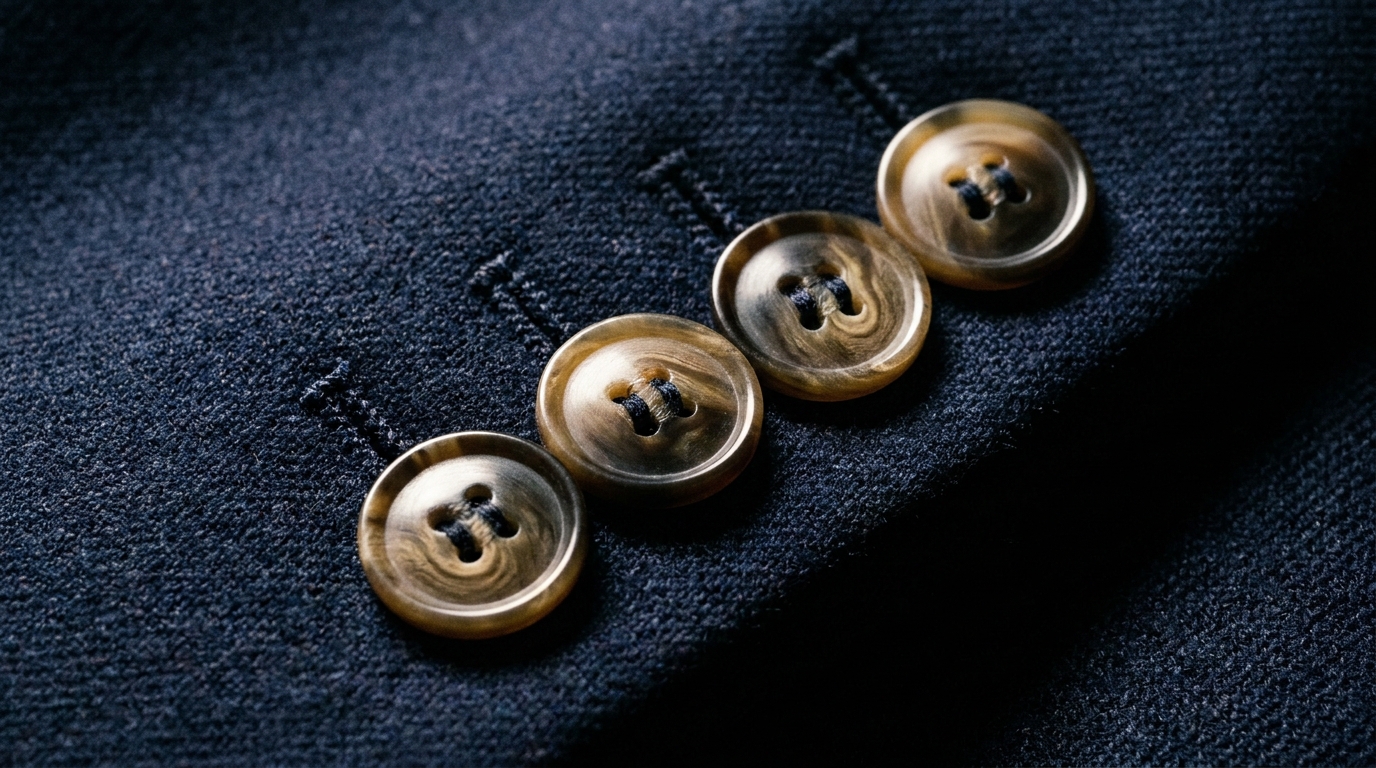
8. Upgrade Your Buttons
Budget garments often arrive with functional but visually weak buttons — thin plastic that catches light poorly, sits at odd angles, and looks cheap even when the fabric itself is decent. Replacing them with horn, shell, metal, or quality resin alternatives is a 30-minute home project that costs £3–£8 / $4–$10 in materials and produces a result that experienced clothing observers will notice, consciously or not.
Blazers and coats benefit most from this upgrade. A six-button blazer with beautiful horn buttons looks fundamentally different from the same blazer with its original plastic ones.
9. Read the Fabric Label Before You Buy
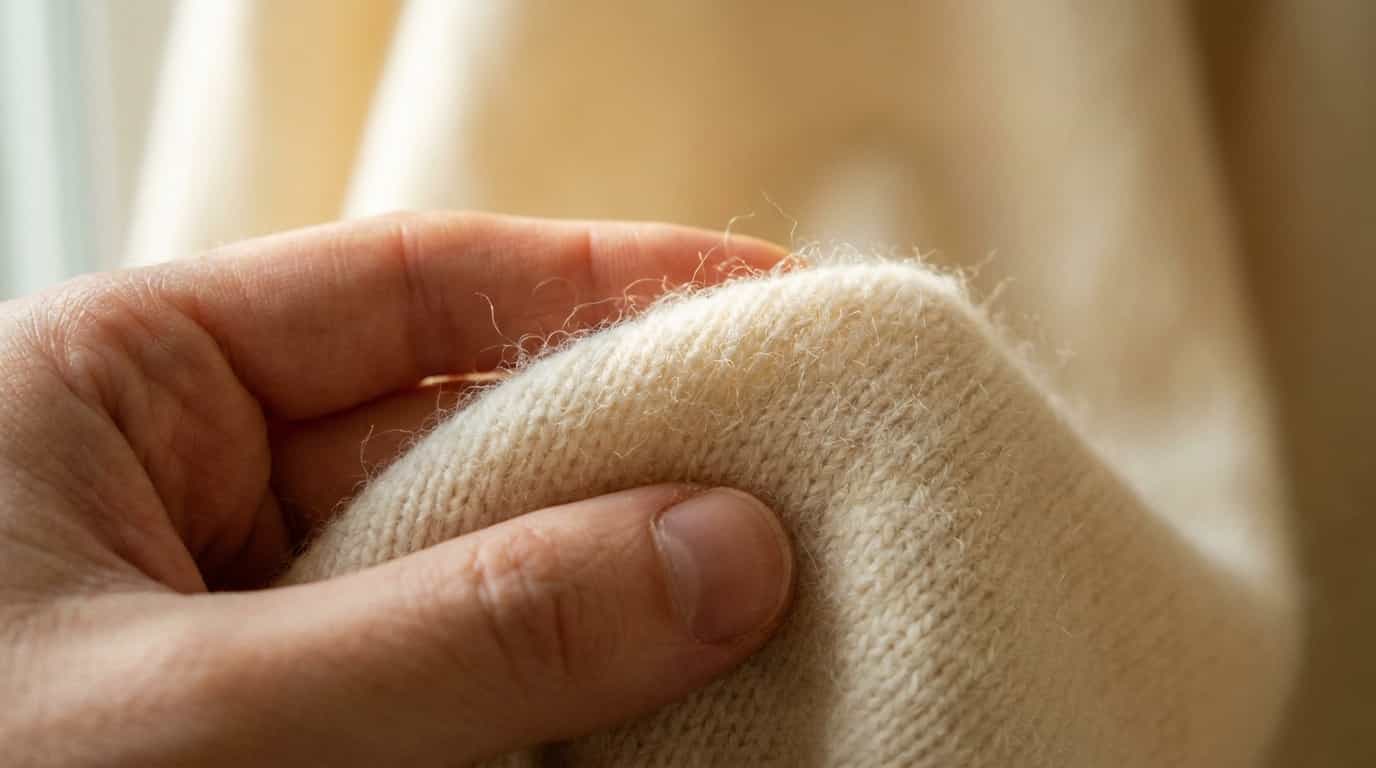
Natural fibres almost always look more expensive than synthetics — and they feel better, age better, and drape better. Cotton, linen, wool, silk, and cashmere blends have a quality of movement and surface that synthetic alternatives rarely replicate convincingly. When shopping, the 30 seconds required to check the composition label produces much better long-term purchasing decisions than shopping by price or appearance alone.
The specific synthetic to avoid: overly shiny polyester in any garment category. It reads as cheap regardless of the cut, the colour, or the price.
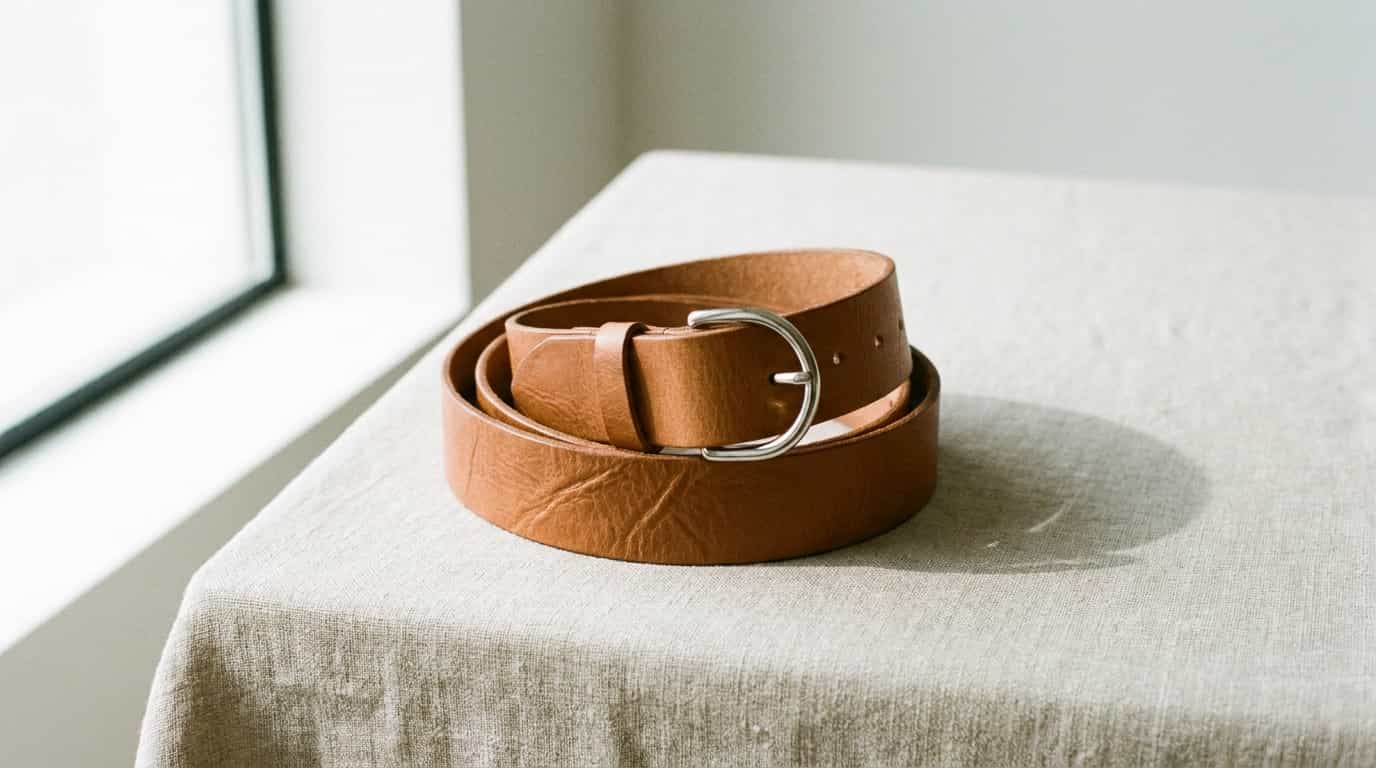
10. Add a Proper Leather Belt
A leather belt serves three simultaneous functions: it defines the waist, it completes the visual boundary between top and bottom, and it introduces a material that communicates quality. A simple, unembellished leather belt in brown, tan, or black with a minimal buckle is the finishing element that transforms a casual look into a complete one.
The common mistake: wearing a belt that doesn't match the footwear in colour family. Brown shoes with a black belt, or black shoes with a tan belt, creates a visual inconsistency that experienced eyes notice as unresolved. When in doubt, match the belt to the shoe.
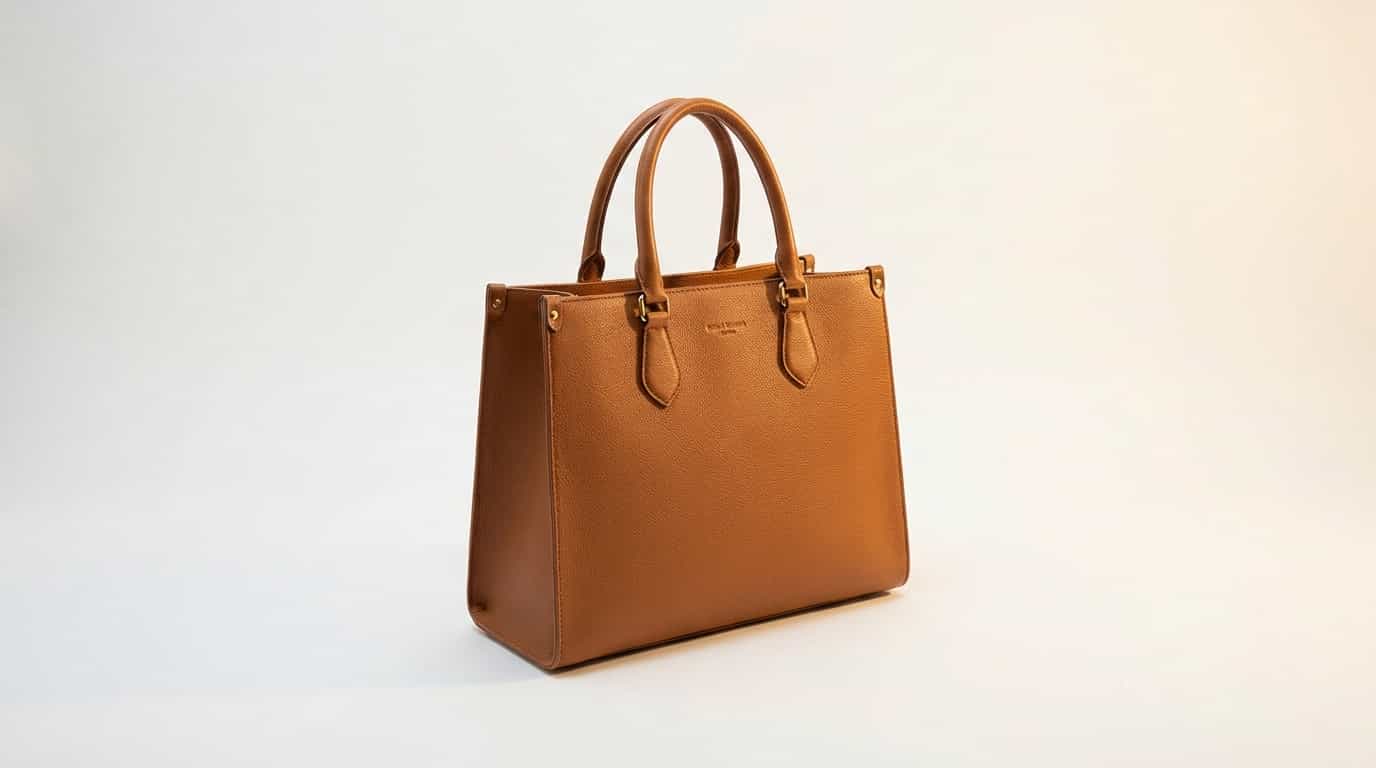
11. Maintain Your Bag Like It's an Investment
A bag at any price point reads differently depending on how it has been cared for. A well-maintained mid-range bag looks significantly more expensive than a neglected designer one. The specific habits that preserve a bag's appearance: storing it stuffed with tissue paper rather than collapsed when not in use (which maintains shape), keeping it clean with appropriate leather cleaner or fabric refresher, and addressing any hardware tarnishing with a soft cloth.
An object that is visibly cared for signals something about the person carrying it — that the details of how things look and how things last matter to them. That signal reads as expensive even when the object isn't.
12. Let One Accessory Do the Work
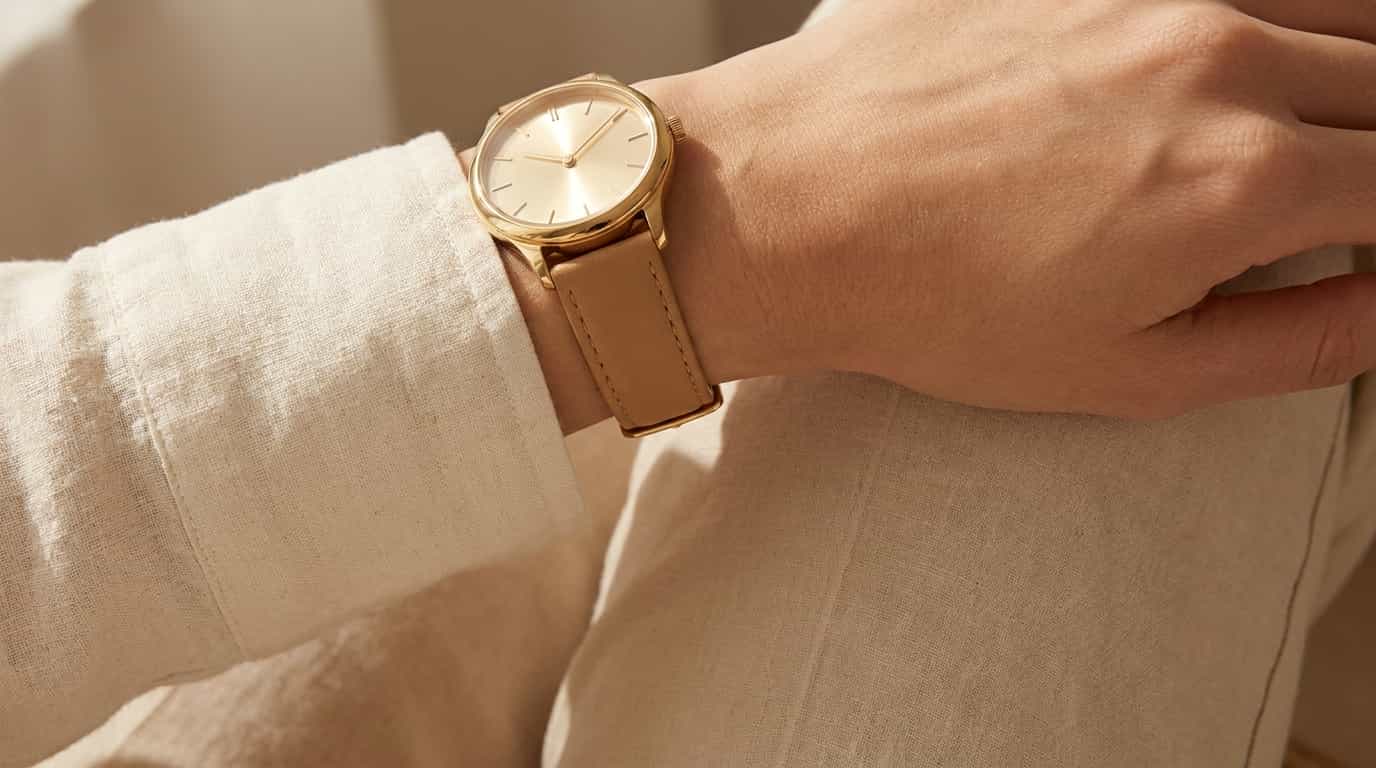
More accessories do not produce more sophistication. They produce visual noise. The styling principle that separates polished dressers from over-accessorised ones: choose one element to carry the decorative weight and let everything else support it. A statement watch with minimal jewellery. A single excellent ring with clean ears. A scarf without the layered necklaces.
The confidence required to wear one intentional thing rather than five is itself a mark of sophisticated style — it implies a knowledge of what is enough.
13. Remove Lint and Pilling Religiously
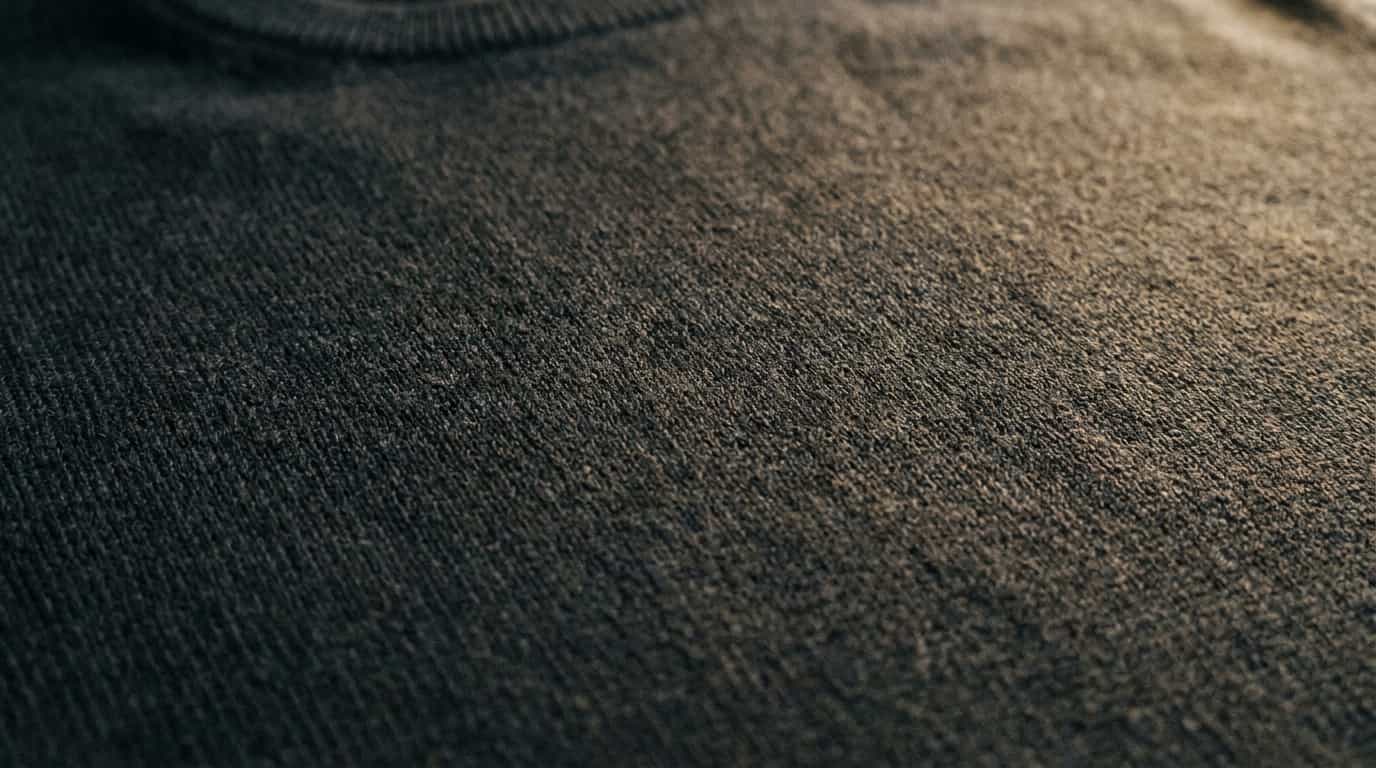
Pilling — the small bobbles of fibre that form on fabric through friction — ages clothing faster than almost any other factor. A fabric shaver (£8–£15 / $10–$18) removes pills in minutes, restoring a garment's surface to something approaching its original condition. Combined with a quality lint roller used before leaving the house, this practice keeps clothes looking newer for significantly longer.
This matters most for knitwear, wool coats, and any fabric worn frequently. The fabric shaver is the single most underrated garment care tool available.
14. Roll Your Sleeves With Purpose
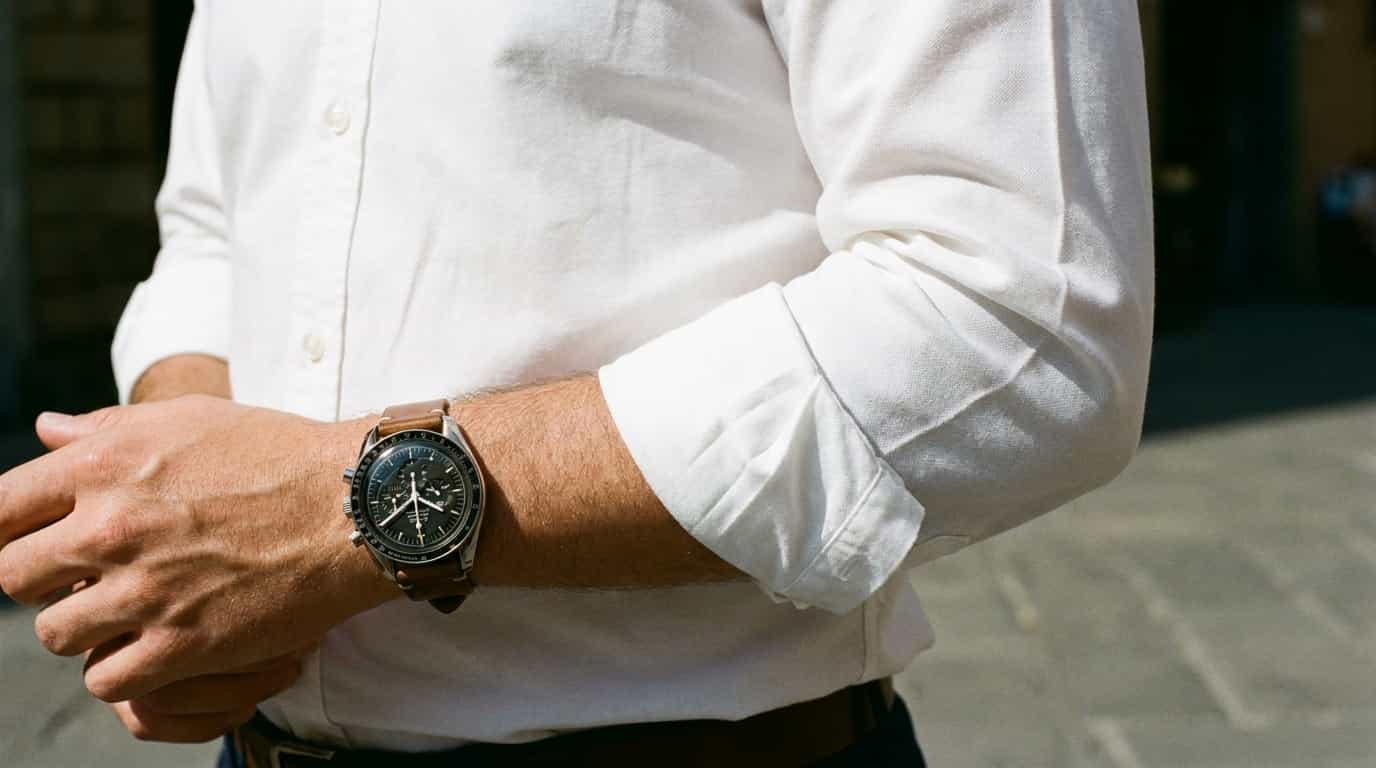
An unrolled sleeve that is slightly too long creates a dragged, unfinished look. The same sleeve rolled to a specific, intentional point — one clean fold, or the more elaborate "Italian roll" that shows the sleeve's underside — creates a casual but polished impression that suggests the wearer has thought about how things look.
The Italian roll: fold the cuff back once all the way, then roll the sleeve up twice more from the cuff, ending with the cuff's folded edge visible at the top of the roll. It's the roll that shirt brands feature in their campaign imagery because it photographs beautifully and looks even better in person.
15. Align Your Metal Tones
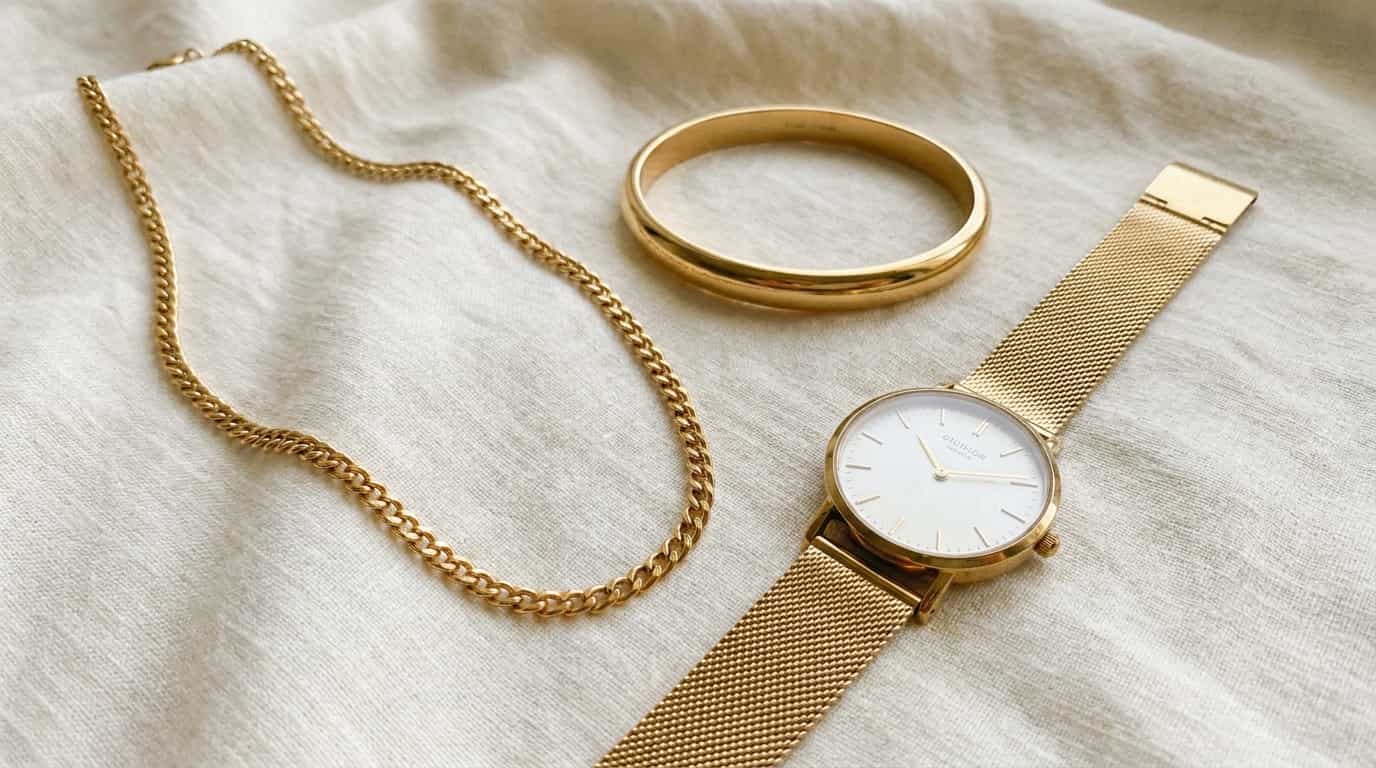
Gold or silver, warm or cool — the metal finishes across a complete outfit should speak the same language. When a belt buckle is gold, the watch should be gold, and the bag hardware should be gold-adjacent. When jewellery is silver, the watch case should be steel or white gold. Mixed metals can work intentionally and stylishly — but require a specific, confident approach. The default: match them.
This is one of the details that appears small on paper and reads clearly in photographs and in person. It is why some outfits look "finished" and others look close but not quite there.
16. Keep White Pieces Genuinely White
A bright white shirt, a pair of white trainers, a white tote — these are among the most powerful items in any wardrobe precisely because of the crisp, clean energy they produce. The condition: they must be genuinely white. Yellowed, greyed, or dingy whites have the opposite effect — they look neglected rather than crisp, and they make surrounding pieces look less intentional by association.
White trainers: a Magic Eraser sponge and a soft-bristle toothbrush used with mild soap will restore most rubber and leather surfaces. White shirts: oxygen-based whiteners (Vanish White, OxiClean) restore brightness without the fabric damage that chlorine bleach produces over time.
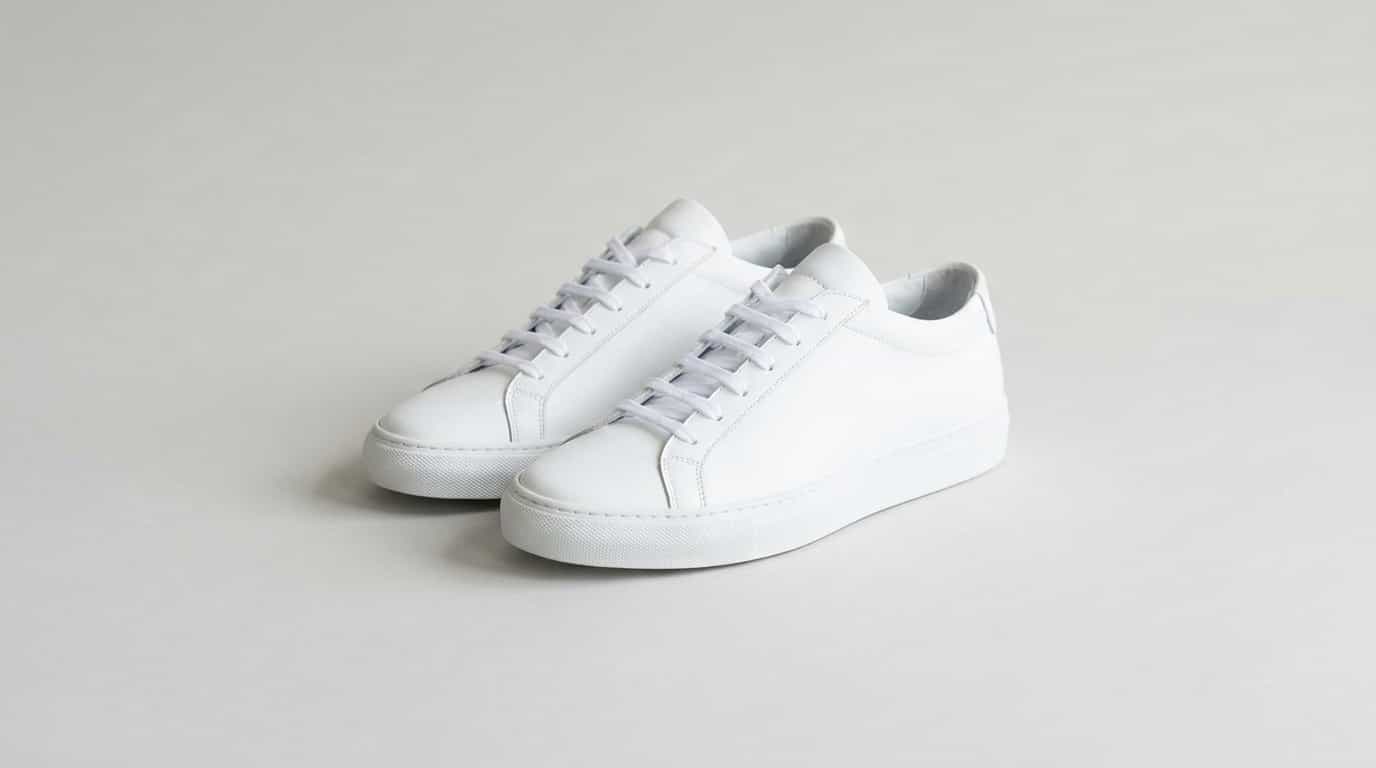
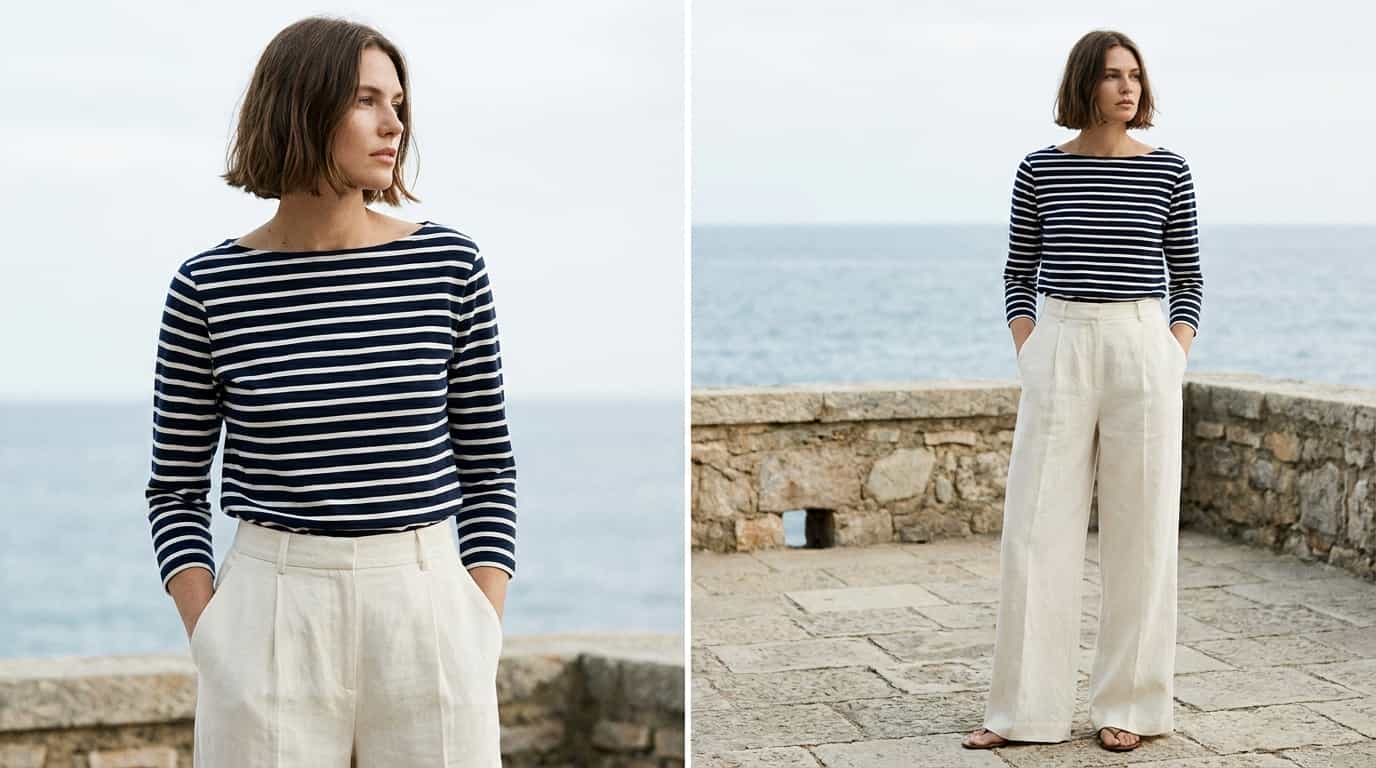
17. Reach for Timeless Patterns Over Seasonal Trends
Classic patterns — a Breton stripe, a Prince of Wales check, a fine windowpane, a simple houndstooth — appear in luxury fashion every season because they are genuinely perennial. They carry the visual vocabulary of quality tailoring and considered style. Because they recur constantly in high-end collections, they register as expensive when they appear anywhere.
Highly specific trend-driven prints — cartoon characters, novelty graphics, the specific floral of a particular season — date quickly. The pattern you bought because it was everywhere this spring will read as last year next autumn. The Breton stripe will still look correct in fifteen years.
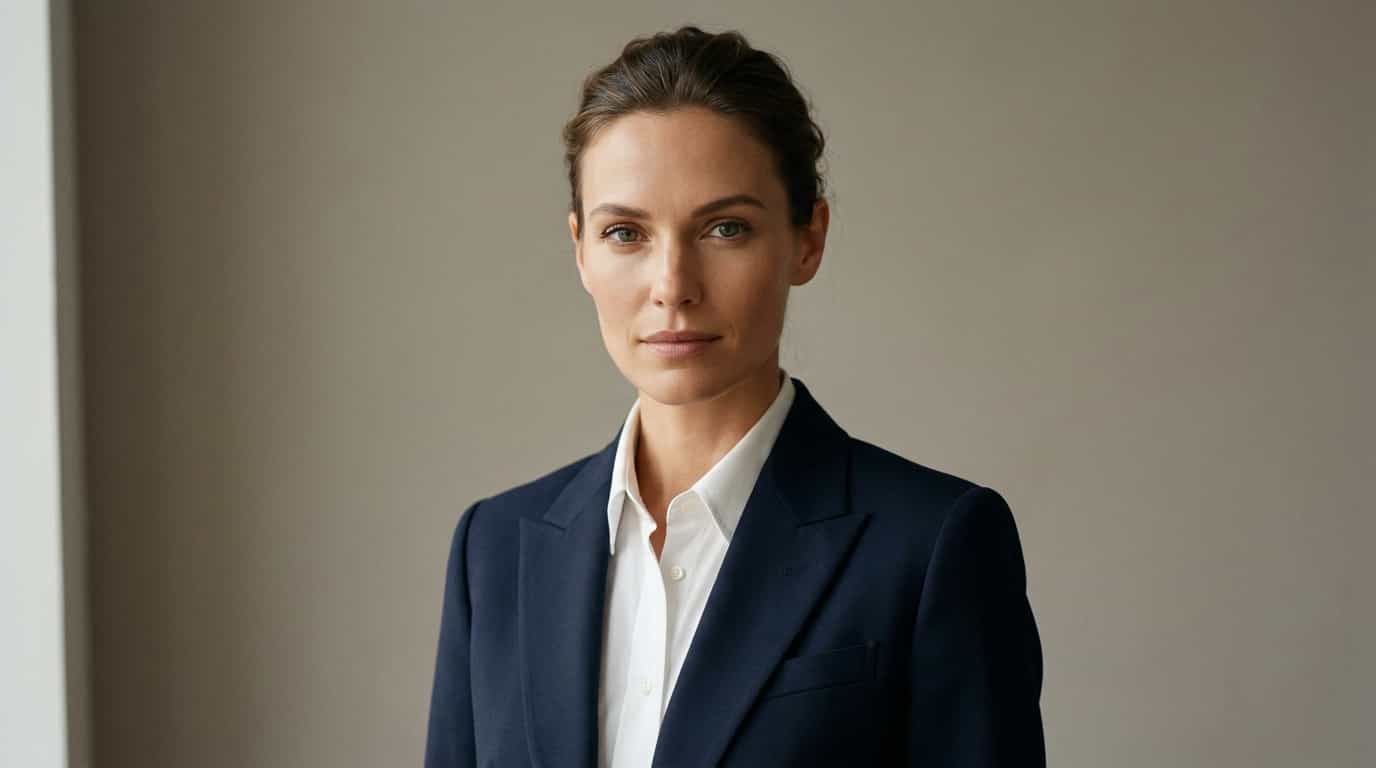
18. Extend Grooming to Everything That Surrounds the Clothes
The most precisely assembled outfit exists within the context of the person wearing it — and an outfit is only as polished as the complete picture. Clean, styled hair. Tended hands and nails. Skin that has been moisturised. These are not vanity — they are the completion of the argument that the clothes begin. An outfit that reads as expensive on a well-groomed person reads differently on the same person with two days of contradicting signals.
This doesn't require elaborate routines. It requires that the same attention given to choosing the outfit is given to presenting the person wearing it.
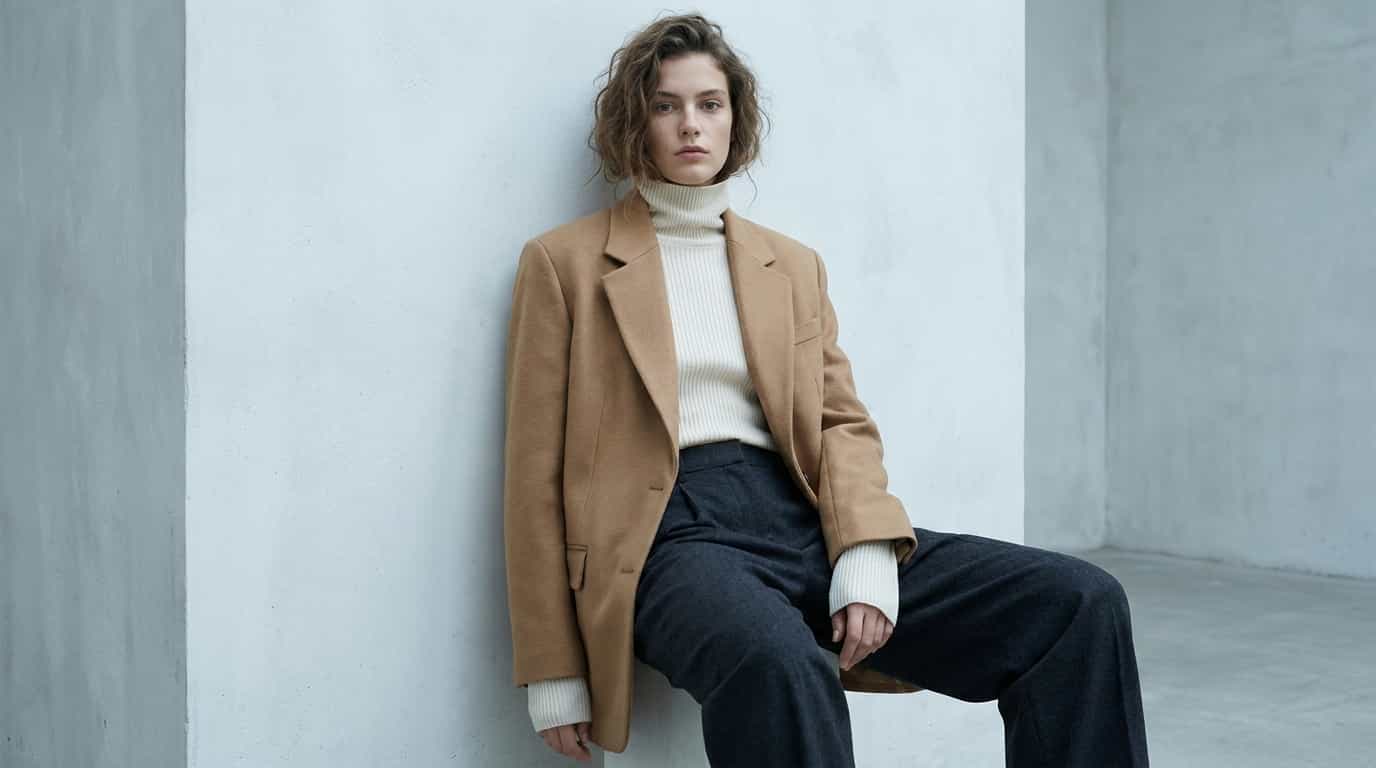
19. Layer With Intention and Restraint
Layering at its best creates depth, proportion, and a sense that an outfit has been thought about in three dimensions rather than assembled flat. Layering at its worst creates volume without purpose, colour without harmony, and textures that fight each other. The difference is restraint: each added layer should have a specific reason — warmth, proportion, colour note, or texture — not just exist because there was more fabric available.
A fitted turtleneck under a structured blazer. A lightweight cashmere cardigan over a simple shirt. A longline overcoat with a clean knit underneath. These combinations work because each layer has a defined role in the visual logic of the outfit.
20. Carry Yourself as Though the Outfit Is Exactly Right
The final variable is the one no stylist can control and no shopping budget can purchase: the way clothes are worn. Clothes that are worn with physical ease — good posture, comfortable movement, no fidgeting with hems or pulling at waistbands — create the impression of a person who chose the outfit confidently and is wearing it without second thoughts.
This is not a call to perform a persona. It is an invitation to stop adjusting mid-wearing, to trust the choices made before leaving the house, and to move through the world as if the outfit is doing its job — because, if you've applied the preceding 19 principles, it almost certainly is.
The Cumulative Effect
None of these twenty adjustments is dramatic in isolation. Each one — a steamed garment, a tucked hem, a matched metal tone — produces a modest individual improvement. Together, applied consistently and habitually, they create a cumulative effect that most people around you will perceive as simply: this person always looks good. Which, of course, is exactly the point.
The most expensive-looking wardrobe is the one that has been thought about. Not the one that cost the most.
how to look expensive on a budget, styling tricks to look polished, outfit hacks 2026, make affordable clothes look expensive, fashion tips that work, styling small details big impact, elevate your wardrobe, outfit tricks fashion, how to look put together, fashion tips women men 2026, affordable fashion, look expensive on a budget, styling tips, fashion hacks, wardrobe upgrade, budget fashion ideas, luxury style secrets, clothing fit tips, tailoring clothes, elegant outfits, affordable clothing, personal styling, fashion editor tips, capsule wardrobe, smart dressing, minimalist fashion, polished look, outfit inspiration, style transformation, fashion advice, chic outfits, luxury fashion look, everyday style, refined fashion, budget wardrobe, expensive looking outfits, fashion trends, style guide, women's fashion, men's fashion




Discussion
Comments
Approved comments are published after moderation to keep discussion useful and spam-free.
No comments yet. Start the discussion below.