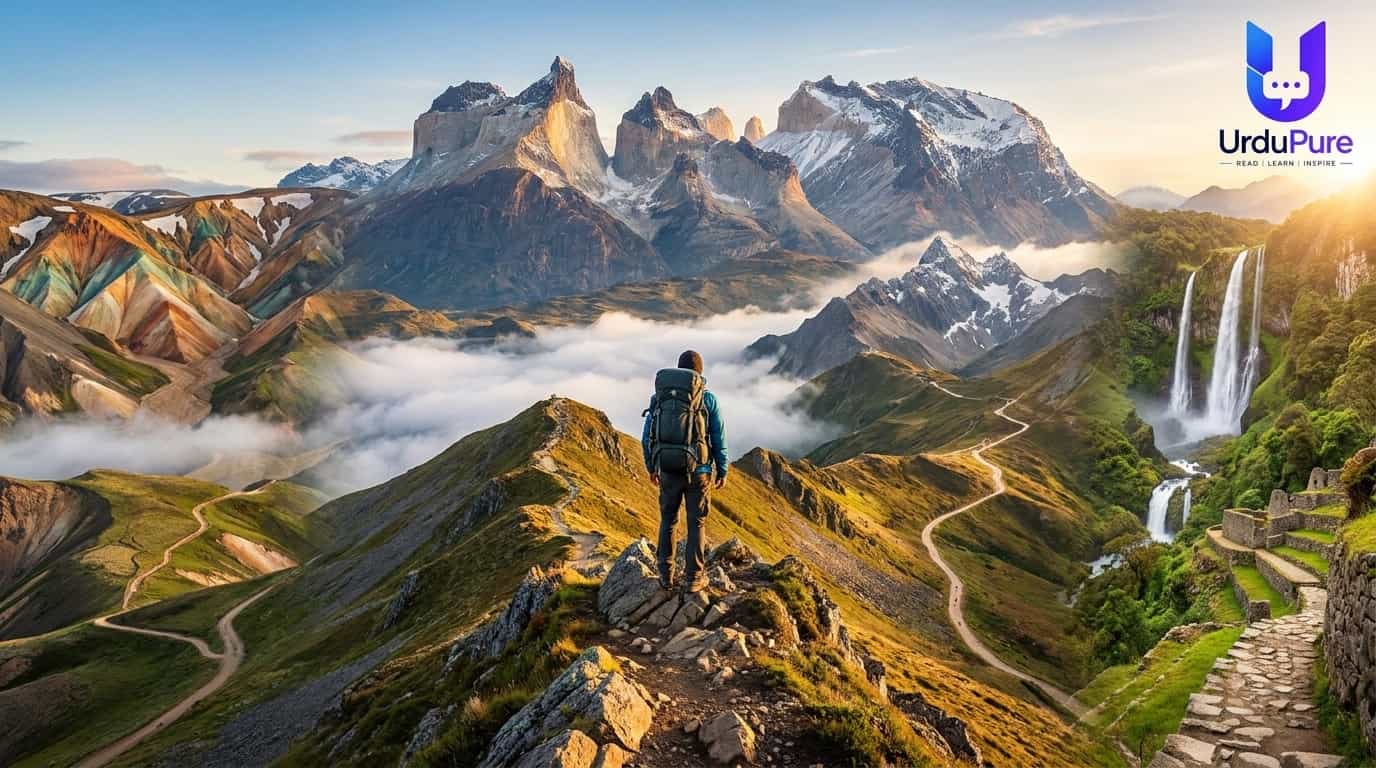
Best Hiking Trails in the World for 2026: Ranked by Adventurers
The Global Hiking Market in 2026
The global hiking and trekking market continues its strong growth trajectory in 2026, building on the outdoor enthusiasm generated by pandemic-era restrictions that permanently converted millions of people to regular trail walking. Key trends shaping the market: permit and reservation systems have expanded to more trails as popularity increases and conservation concerns mount; digital tools (AllTrails Pro, Gaia GPS, komoot) have transformed route planning and safety; and the sustainability conversation — around trail impact, waste management, and carbon footprint of reaching trails — has intensified.
The ten trails below represent the world's most extraordinary hiking experiences, selected for the irreplaceable quality of their landscapes, the reliability of their infrastructure, and the genuine sense of achievement they deliver. They are not all easy. They are all worth it.
1. Laugavegur Trail, Iceland — 55km of Another Planet
The Laugavegur Trail runs 55 kilometres from Landmannalaugar to Þórsmörk through landscapes that look genuinely extraterrestrial: obsidian black lava fields, rhyolite mountains in shades of orange, green, and purple, glaciers, hot springs, and river crossings that require careful timing and cold legs. It is one of the most visually distinctive long-distance trails in the world.
Best months: late June to September. The trail is impassable outside this window due to snow and river conditions. Ferðafélag Islands huts along the route require advance booking — often months in advance for peak summer dates. Book as soon as the booking window opens (typically January or February for the following summer). Difficulty: moderate to demanding, with river crossings that require preparation. Four to five days for the full trail.
2. The Dolomites Alta Via 1, Italy — 120km of Vertical Drama
The Italian Dolomites are among the most visually dramatic mountain environments on earth — limestone towers rising thousands of metres from alpine meadows, with a history of both First World War military activity and extraordinary mountaineering that adds human depth to the natural grandeur. The Alta Via 1 connects 120 kilometres of this landscape through a classic high-level route from Lago di Braies to Belluno.
What makes the Alta Via 1 accessible to a wider range of hikers than most alpine routes: cable car access at multiple points along the route allows for entry and exit at various stages, making it customisable for available time and fitness level. Mountain huts (rifugi) provide accommodation and meals throughout, eliminating the need to carry full camping equipment. Best months: July to mid-September.
3. Torres del Paine W Circuit, Patagonia, Chile — 80km of Extremes
Torres del Paine National Park in Chilean Patagonia has a claim to the most spectacular mountain scenery on the planet — a collection of granite towers, glaciers, turquoise lakes, and weather conditions that can cycle through all four seasons in a single afternoon. The "W" circuit covers approximately 80 kilometres of the park's most iconic landscapes, including the famous Torres peaks that give the park its name and the Grey Glacier lookout.
Best months: November to early April (Southern Hemisphere summer). March and April offer the advantage of autumn colour and reduced crowds. Accommodation in advance-booked refugios or camping is required throughout — the booking situation is competitive, and planning 6-12 months ahead is strongly recommended for peak months. Difficulty: moderate, with some demanding sections.
4. Annapurna Circuit, Nepal — 160km of Altitude and Culture
The Annapurna Circuit is one of trekking's foundational routes — a circuit that has been drawing walkers for decades and still delivers an experience that newer, better-marketed trails have not displaced. The route (between 160 and 230 kilometres depending on starting and finishing points) passes through multiple climate and ecological zones, from subtropical lowlands through rhododendron forests to the high-alpine desert of the Thorong La pass (5,416 metres — the circuit's high point and its most demanding day).
The practical infrastructure — teahouse accommodation providing meals and beds throughout the route — makes it accessible without camping equipment. Permits required: Annapurna Conservation Area Permit (ACAP) and TIMS card, both available in Kathmandu or Pokhara. Best months: October-November and March-April.
5. Overland Track, Tasmania, Australia — 65km of Ancient Wilderness
Tasmania's Overland Track is the finest long-distance walking experience in Australia and one of the most biodiverse wilderness environments accessible on foot anywhere in the world. The 65-kilometre route from Cradle Mountain to Lake St Clair passes through alpine moorland, ancient rainforest, glacial valleys, and subalpine lakes that have existed largely unchanged for thousands of years.
The government-managed reservation system requires advance booking for the October to May season, with a mandatory walking direction (north to south) to manage walker density. Huts are available for accommodation, supplemented by camping. Side trips to peaks including Mount Ossa (Tasmania's highest mountain) and Mount Pelion West are recommended additions.
6. Tour du Mont Blanc, Alps — 170km Around Europe's Highest Peak
The Tour du Mont Blanc is the most famous long-distance trail in Europe — a 170-kilometre circuit around Mont Blanc that crosses between France, Italy, and Switzerland, covering approximately 10,000 metres of cumulative elevation gain. It passes through seven valleys, over multiple high-altitude passes, and through some of the Alps' most celebrated mountain villages including Chamonix (France), Courmayeur (Italy), and Champex (Switzerland).
Most walkers complete it in 11-13 days. The infrastructure is excellent: mountain huts and gîtes d'étape provide accommodation and meals throughout, ranging from dormitory-style to private rooms. Book hut accommodation well in advance for the peak July-August period. Best months: late June to mid-September.
7. Milford Track, New Zealand — 53km of Fiordland
The Milford Track has been described as "the finest walk in the world" since the Victorian era, and the description retains its force. The 53-kilometre route through New Zealand's Fiordland — through beech forests, across the MacKinnon Pass, past the 580-metre Sutherland Falls (one of the world's tallest waterfalls), and along the Arthur River to Milford Sound — is genuinely stunning in all weather conditions.
The Department of Conservation limits the track to 40 independent walkers and 50 guided walkers per day. Bookings open each June for the following October-April walking season. Independent walkers must stay in the DoC huts (book simultaneously with the track permit). The entire experience is uniquely structured and controlled, which preserves the quality of the environment and the experience simultaneously.
8. Inca Trail, Peru — 43km to Machu Picchu
The Inca Trail remains one of the world's most iconic walks — 43 kilometres of ancient stone pathways, cloud forest, and Andean passes culminating in the Sun Gate arrival at Machu Picchu, timed for dawn visibility of the site below. The combination of Inca engineering, extraordinary landscape, and the specific theatrical quality of the Sun Gate arrival makes it an experience that cannot be fully replicated by alternative approaches to Machu Picchu.
Permits are limited to 500 people daily (including guides and porters) and typically sell out 6 months in advance. Book through a licensed operator as early as possible for preferred dates. Best months: May-September. The trail is closed every February for maintenance.
9. Pacific Crest Trail, USA — 4,265km from Mexico to Canada
The PCT is the longest trail on this list and one of the most demanding: 4,265 kilometres from the Mexican border at Campo, California, to the Canadian border at Manning Park, British Columbia, through the Sierra Nevada and Cascades mountain ranges. Full thru-hikers — those who complete the entire trail in a single season — typically begin in late March or April from the southern terminus and reach Canada in September or October, completing the journey in approximately 150-170 days.
For most walkers, section hiking is the appropriate approach — choosing a segment of the PCT for a multi-day or multi-week trip. The Sierra Nevada section (approximately miles 700-1,100) is the most scenically spectacular. Permits, camping regulations, and leave-no-trace requirements vary by section. A combination of PCTA permits and National Park permits (for sections through parks) is required.
10. Everest Base Camp Trek, Nepal — 130km Return to 5,364m
The most-completed high-altitude trek in the world takes walkers to 5,364 metres above sea level — the site of mountaineers' base camp for Everest expeditions — through the Khumbu region of Nepal. The 130-kilometre return trek from Lukla (reached by mountain flight from Kathmandu) passes through Sherpa villages, across suspension bridges above glacial rivers, through rhododendron forests, and into the increasingly austere high-altitude landscape that characterises the Everest region.
Altitude acclimatisation is the primary safety consideration — the trek requires careful pacing, rest days at Namche Bazaar and Dingboche, and vigilance for symptoms of altitude sickness. Teahouse accommodation throughout the route. Permits required: Sagarmatha National Park entry permit and Khumbu Pasang Lhamu Rural Municipality permit. Best months: March-May and September-November.
Frequently Asked Questions
Which of these trails is best for beginner hikers?
The Laugavegur Trail in Iceland, the Dolomites Alta Via 1, and the Overland Track in Tasmania are all appropriate for fit beginners with no previous long-distance trekking experience, provided they have done sufficient training walks to build the required endurance. All three have hut accommodation (eliminating camping kit requirements), clear waymarking, and emergency exit options at various points.
What gear is essential for any multi-day hike in 2026?
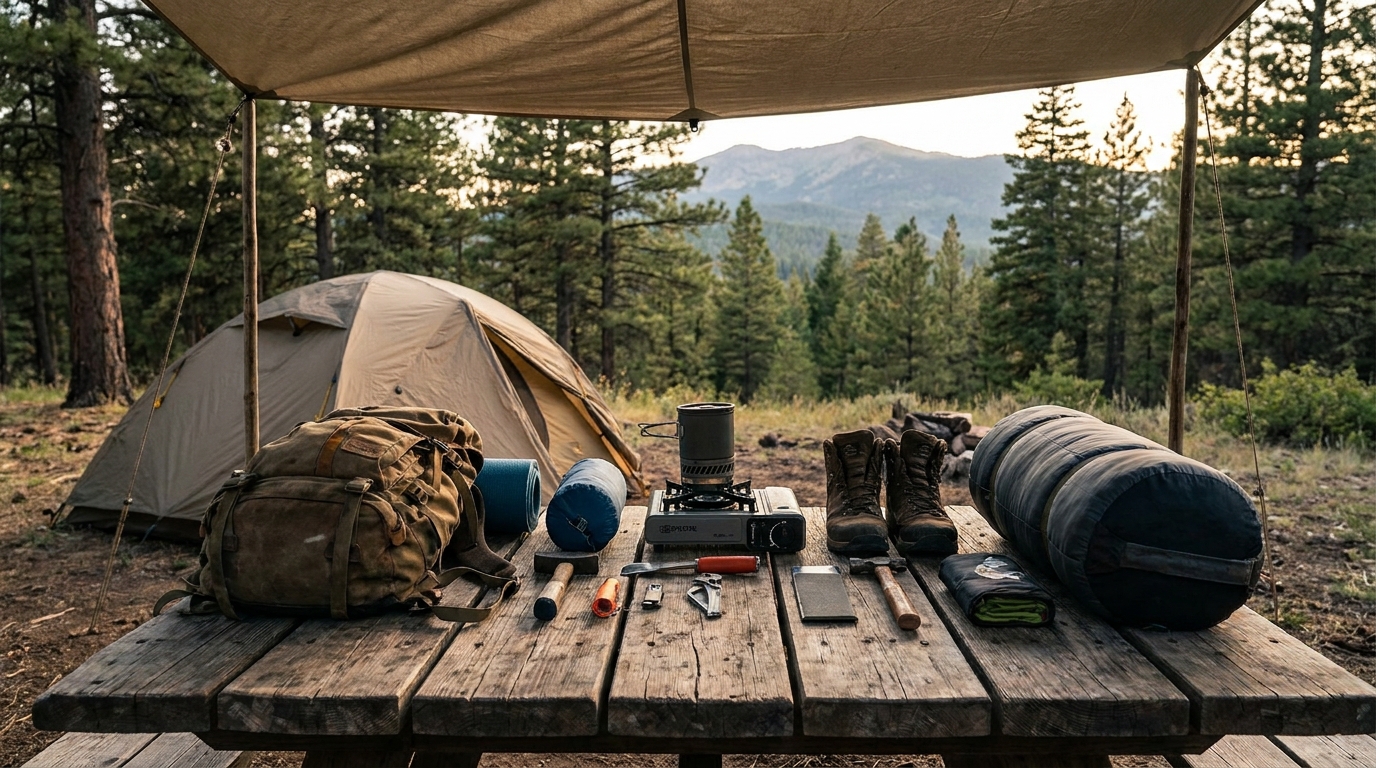
Non-negotiable essentials: a properly fitted pack (65-75L for camping routes, 35-45L for hut-to-hut); waterproof shell jacket and trousers; moisture-wicking base layers; merino wool mid-layer; hiking boots with ankle support and waterproof membrane (waterproofed and broken in before the trip); gaiters for routes with river crossings; a first aid kit including blister treatment; a personal locator beacon (PLB) or GPS communication device for remote routes; and sufficient water treatment capability. In 2026, GPS route apps (AllTrails Pro, gaia GPS, komoot) on a phone with offline maps downloaded are standard navigation tools.
How far in advance should I book these trails?
Milford Track and Inca Trail: 6 months minimum, as far in advance as possible. Laugavegur huts: book when the booking window opens (usually January-February for the following summer). Torres del Paine: 6-12 months for peak season. Tour du Mont Blanc huts: 3-6 months for July-August. EBC and Annapurna: permits and teahouses are more flexible, 1-3 months is usually sufficient outside absolute peak season.
best hiking trails 2026, best hiking trails 2026, Laugavegur trail Iceland, Torres del Paine trekking, Dolomites hiking 2026, Overland Track Tasmania, Tour du Mont Blanc, Inca Trail 2026, Everest Base Camp trek, Milford Track, hiking gear 2026



Discussion
Comments
Approved comments are published after moderation to keep discussion useful and spam-free.
No comments yet. Start the discussion below.