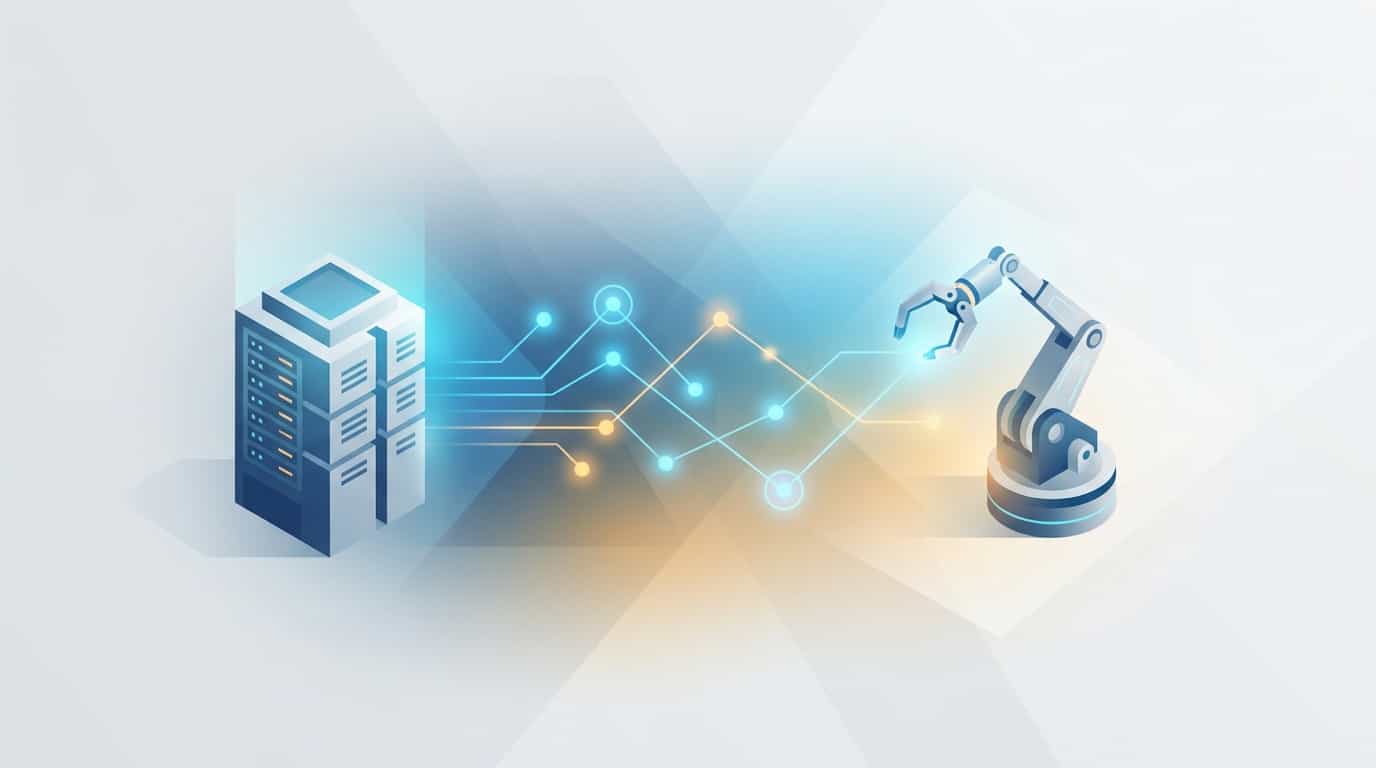
The 2026 Tech Landscape: Agents, Sovereign Clouds, and Machines That Touch the Real World
Something shifted this year. AI stopped being the interesting demo bolted onto existing products and became the thing the product is built on top of. That sounds like a small distinction, but it changes how teams plan, what they buy, and who gets hired to build what. This is a walk through the trends actually driving that shift in 2026 — not as isolated headlines, but as the connective tissue of a new operating layer for the internet.
From Assistants to Operators
The chatbot era taught AI to answer questions. 2026 is teaching it to finish tasks. Multi-agent systems — networks of specialized AI agents that hand work off to one another — are now a normal part of production software, not a research curiosity.
For developers, the practical effect is a change in what "writing software" means. Increasingly, the job is to specify an outcome clearly and let a coordinated set of agents assemble, wire up, and maintain the system that produces it. That doesn't eliminate the need for engineering judgment — if anything it raises the bar on it, since someone still has to know what "correct" looks like and catch it when an agent gets confidently wrong.
You can see this most clearly in the unglamorous parts of the pipeline. Mobile teams used to burn entire afternoons untangling Gradle dependency conflicts in Android Studio — a transitive library update breaks a build, and someone spends the day playing detective. Agentic tooling now watches the dependency graph continuously and flags (often fixes) conflicts before they ever reach a failed build. It's a small thing multiplied across every commit, and it's the kind of unglamorous reliability win that actually changes how small teams operate: fewer people can now ship and maintain more sophisticated apps, because less of their time evaporates into infrastructure friction.
Three shifts are worth tracking here:
- Intent-driven development. Teams increasingly describe desired behavior rather than hand-write every code path, with agents assembling — and in some cases self-healing — the implementation.
- Context-aware delivery. Platforms are building persistent "knowledge graphs" of a codebase's history and dependencies, so agents reasoning about a change have real context instead of a fresh, memoryless start each time.
- Simulation-first QA. Testing increasingly happens in AI-driven simulated environments before code ever touches production, catching failure modes that traditional test suites don't think to check.
Cloud 3.0: Infrastructure That Argues Back
Cloud computing's first act was migration; its second was cost optimization. The third act, well underway in 2026, is infrastructure that actively participates in running the systems built on top of it.
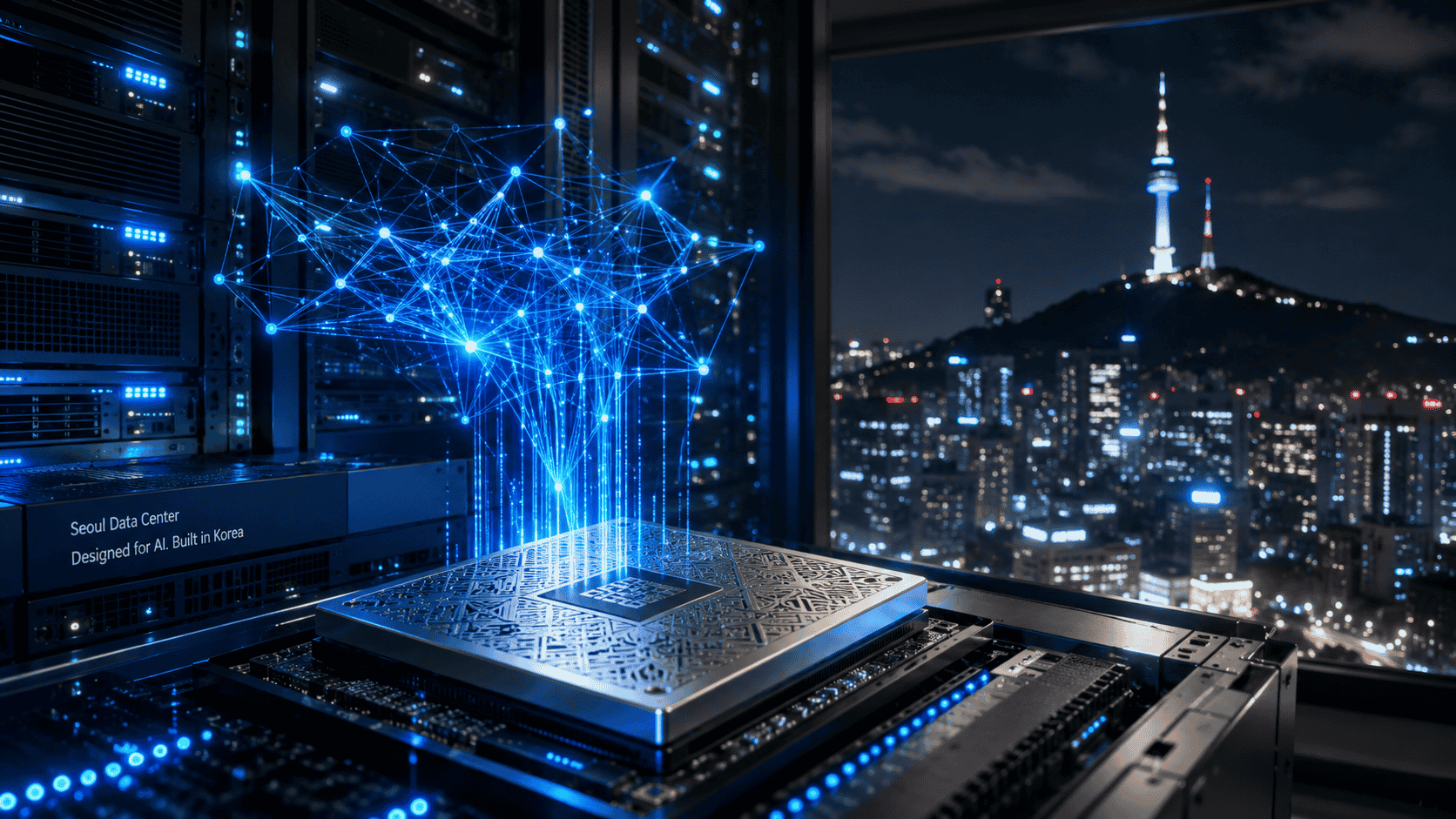
Part of what's driving this is a simple mismatch: standard public cloud, built for generic workloads, strains under the latency and data-sensitivity demands of serious AI deployment. Fine-tuning proprietary models on data that legally can't leave a jurisdiction doesn't fit cleanly into a shared public region. So the response has been a real push toward hybrid, multi-cloud, and sovereign cloud architectures — and, in some cases, outright geopatriation: pulling critical workloads back from public cloud into on-premises or localized infrastructure specifically to keep data under national jurisdiction rather than a foreign provider's terms of service.
That same shift toward "infrastructure that participates" shows up at smaller scale too. Nginx configuration used to be something you wrote once and revisited during an incident. Now it's common for AI agents to watch live traffic patterns and adjust proxy rules and virtual host configs in real time — rerouting around a latency spike before an on-call engineer even gets paged.
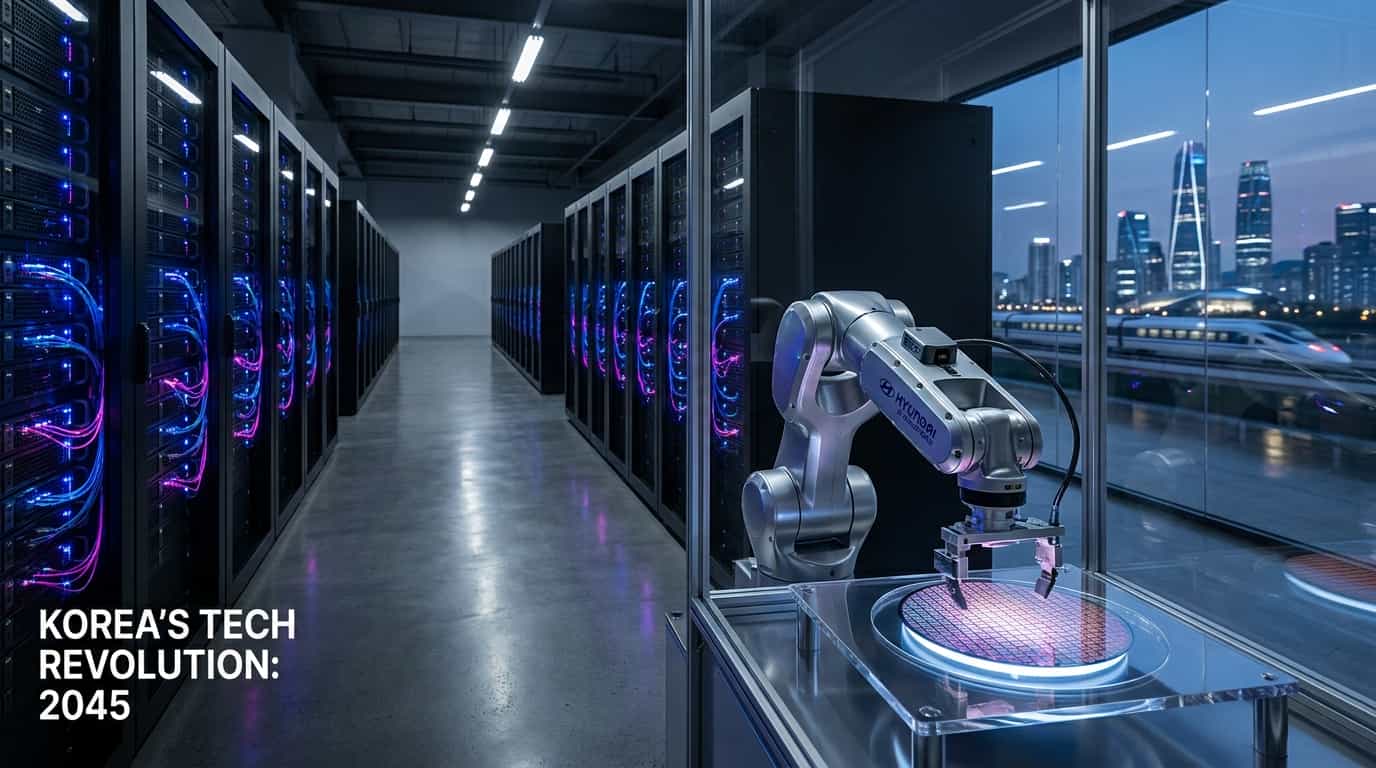
Underneath all of it sits a semiconductor market running flat out to keep pace: AI inference and data center buildout show no sign of slowing, and competition has moved beyond raw chip performance into networking fabric and inference-specific architecture — the plumbing that determines whether a cluster of accelerators behaves like one fast computer or a thousand slow ones talking over each other.
Commerce Gets Its Own Agents
E-commerce is where AI, blockchain, and edge computing are converging most visibly. Blockchain's useful life has moved well past currency speculation into duller, more valuable territory: supply chain provenance, digital identity, and self-executing contract terms between vendors who don't fully trust each other.
That maturity is what makes something like a multi-vendor marketplace tractable for a small team today. Building one on a framework like Laravel used to mean weeks spent on the unglamorous scaffolding — vendor onboarding flows, payment routing that correctly splits and reconciles across sellers, ordering logic that handles partial fulfillment. AI-assisted scaffolding now generates a working first draft of that plumbing, which means the humans on the project spend their time on what actually differentiates the marketplace: the buying experience and the vendor relationships, not the database migrations.
Once live, these platforms increasingly run as what's being called intelligent operations — a blend of human oversight and autonomous agents that continuously adjust to demand, inventory shifts, and vendor performance without someone manually re-tuning dashboards every week.
The Creator Economy's New Toolkit
Content creation has absorbed generative AI faster than almost any other field, mostly because the gap between "I can imagine this" and "I can produce this" has nearly closed.
For a creator running a niche channel — logistics explainers, for instance, a genre that barely existed a few years ago and now supports full production pipelines — the toolkit has three legs:
- Visual generation. Carefully specified prompts now produce broadcast-quality scene illustration and video assets without a production budget behind them.
- Voice and audio. Text-to-speech has moved from "recognizably synthetic" to genuinely natural, whether it's built into a mobile workflow or configured as a custom voice preset inside a tool like Audacity.
- Captioning and post-production. NLP-driven auto-captioning now maps text to complex, multi-track audio timelines automatically, cutting what used to be hours of manual sync work down to a review pass.
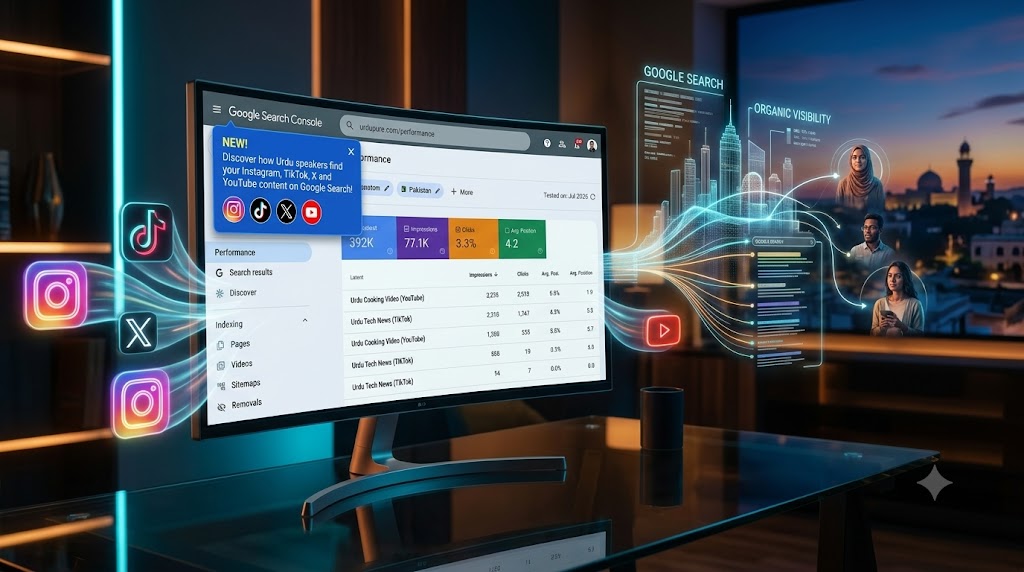
Layered on top of production is distribution: AI agents increasingly handle SEO metadata, titles, and branding by watching how platform algorithms are actually behaving right now, rather than relying on best practices that go stale every time a recommendation algorithm updates. That's what lets a single creator credibly run several channels at once instead of one channel well.
Monetization Gets Precise
Mobile monetization has quietly become a real-time optimization problem rather than a static configuration. Ad mediation platforms now run continuous, programmatic auctions across exchanges, and agents decide when to show an ad based on a live read of engagement — the goal being to catch the moment revenue and user tolerance overlap, instead of hitting a fixed ad frequency and hoping.
That precision opens up monetization models that used to be too labor-intensive to run well. A platform that captures lecture audio or meeting recordings and routes it to a self-hosted educational archive, for example, can now use predictive signals to decide per-user whether to gate content behind a paywall or serve an ad — rather than applying one blunt rule to every visitor. Wiring that up still requires real SDK and ad-exchange integration work, but self-learning mediation layers now handle the actual bidding logic, which is what lets a small team compete for the same CPMs as much larger publishers.
Physical AI: Intelligence Leaves the Screen
The most visible trend of 2026 might be the one furthest from computer screens: AI systems that perceive and act in physical space.
The unlock has been simulation. Robotic systems now train extensively in physics-accurate digital twins — photorealistic virtual environments — before ever touching the real world, using reinforcement learning and sim-to-real transfer to build something like intuition for geometry, physics, and cause-and-effect. That training pipeline is what's made deployment viable across a few distinct areas:
- Manufacturing and logistics. Robots are increasingly polyfunctional — handling several task types on one line instead of being locked to a single repetitive motion — and adapting to material variation without being reprogrammed for each SKU.
- Smart facilities. Building systems now adjust lighting, HVAC, and ventilation continuously based on real-time occupancy and hyper-local environmental data, rather than a fixed schedule.
- Supply chain resilience. Multi-agent systems coordinate routing and inventory decisions across entire supply chains, catching disruptions and rerouting around them faster than a human dispatcher tracking the same data manually could.
The Common Thread
Pull back from any single trend and the pattern is the same: AI has stopped being a feature you add and started being infrastructure you build on. That's true whether you're untangling a Gradle build, rewriting an Nginx config on the fly, scaffolding a marketplace, mixing a voiceover, tuning ad mediation, or training a robot in a digital twin.
The practical upshot for anyone building in 2026 isn't "use more AI." It's that the winning teams are the ones treating these agentic tools as collaborators with real judgment calls to make — which means the human job shifts toward setting direction, catching the failures, and deciding what "good" means, rather than doing the manual work agents now do faster.



Discussion
Comments
Approved comments are published after moderation to keep discussion useful and spam-free.
No comments yet. Start the discussion below.