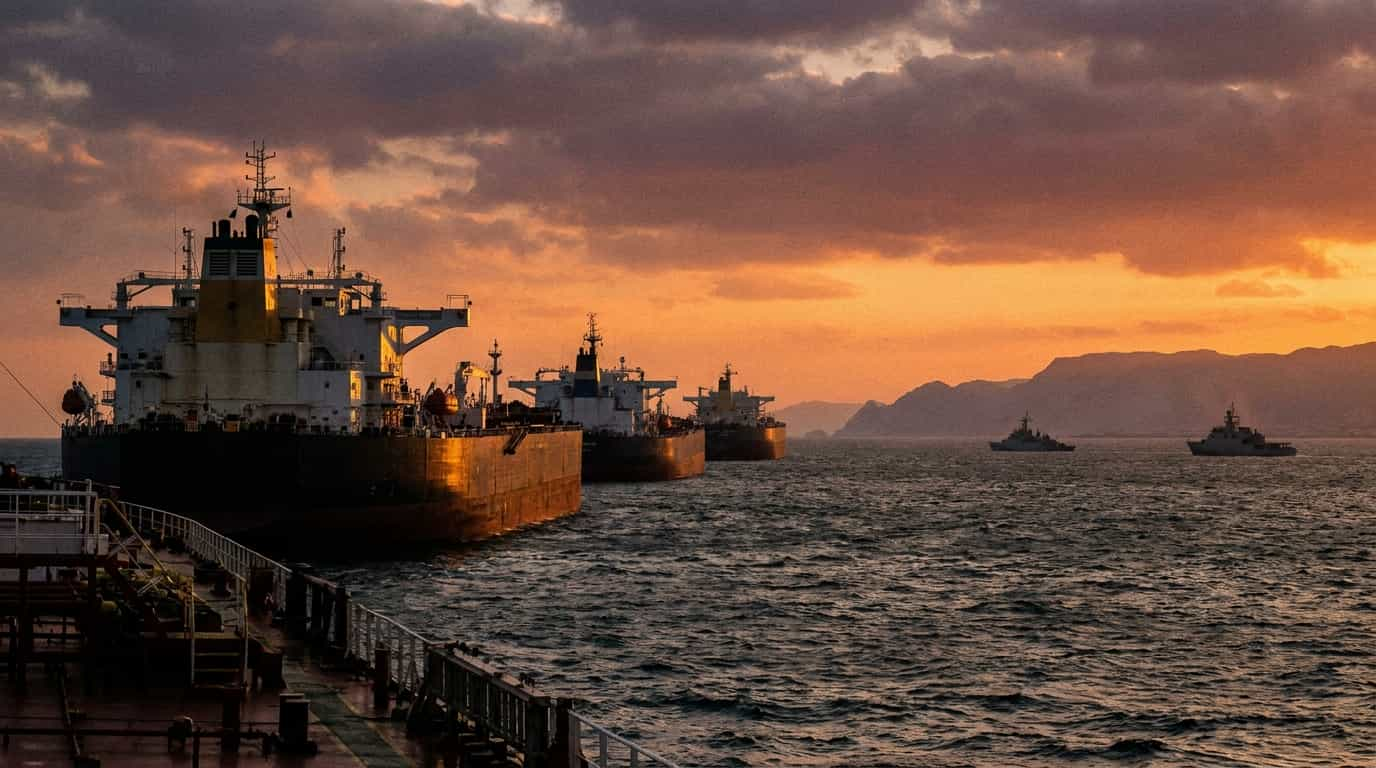
Oil Price Today: Why Global Oil Prices Are Rising and What It Means for Gas Prices
Oil prices do not wait for disaster. They move on fear. One headline about the Strait of Hormuz. One warning from Iran. One threat from Washington. One tanker delay in the Persian Gulf. That can be enough to push traders, refiners, shipping companies and governments into emergency mode. Because oil is not just a commodity. It is the fuel behind cars, trucks, planes, factories, food supply chains and national budgets. When oil prices rise, the whole economy starts listening. And today, the market is listening very carefully.
The phrase “oil price today” is trending because crude markets are once again caught between two powerful forces.
On one side, there are hopes that U.S.–Iran talks and ceasefire efforts can restore more normal energy flows through the Persian Gulf. On the other side, there are fresh warnings that the Strait of Hormuz could remain unstable, restricted or politically weaponized.
Reuters reported that Brent crude was trading around $80.38 a barrel and U.S. West Texas Intermediate around $77.54 on Friday afternoon, while the market remained focused on Iran’s conditions for using the Strait of Hormuz and whether Gulf exports would keep recovering.
That matters because the Strait of Hormuz is not an ordinary shipping route. It is one of the most important oil chokepoints on Earth. If traders believe oil cannot move freely through Hormuz, prices can rise quickly. If they believe diplomacy is working and ships are moving again, prices can fall just as fast.
That is why oil prices today are not being driven by one simple number. They are being driven by risk.
The most important thing to understand is this:
Oil prices can rise even if the Strait of Hormuz is not fully closed.
Markets do not only price what has already happened. They price what might happen next. If tanker owners slow movement, insurers raise premiums, refiners worry about supply, or governments fear escalation, crude prices can move before any complete shutdown takes place. That is why the current oil-price story is not only about supply. It is about confidence.
Quick Timeline
June 18, 2026:
Reuters reported Brent settled at $79.85 a barrel, while WTI finished at $76.60, as traders watched U.S.–Iran diplomacy and the prospect of restored Hormuz traffic.
June 19, 2026:
Reuters reported Brent at $80.38 and WTI at $77.54 during Friday trading, with Brent still set for a weekly decline of around 8% after hopes of easing tensions.
June 20–21, 2026:
Reuters reported that Iran said the Strait of Hormuz was closed again over Lebanon-related ceasefire issues, while U.S. officials disputed the closure and said traffic had continued, although shipping data showed immediate impact.
What comes next:
The next major move in oil prices will likely depend on whether shipping through Hormuz normalizes, whether U.S.–Iran talks progress, and whether regional fighting escalates again.
Why Oil Prices Are Rising Today
Oil prices are rising or remaining sensitive because the market is watching several risks at once. First, there is the Strait of Hormuz risk. The EIA says the Strait of Hormuz connects the Persian Gulf with the Gulf of Oman and the Arabian Sea, and that very few alternative options exist if oil cannot move out through the strait. In 2024, oil flow through Hormuz averaged about 20 million barrels per day, equal to roughly 20% of global petroleum liquids consumption.
Second, there is the U.S.–Iran diplomacy risk. Reuters reported that U.S. Vice President JD Vance met Iranian officials in Switzerland under an interim peace framework, while President Trump threatened renewed military action against Iran if tensions continued. Third, there is the shipping confidence risk. Reuters reported that commercially available shipping data showed an immediate impact after Iran’s announcement about closing the strait, with far fewer ships visibly crossing after the announcement compared with recent days. Fourth, there is the global supply-demand problem.
The International Energy Agency said in its May 2026 Oil Market Report that world oil demand is forecast to contract in 2026, but it also warned that supply losses, refinery disruptions and inventory draws could keep the market volatile. Put simply, oil prices are caught between fear of disruption and hope of recovery. That is why they are moving so sharply.
Why the Strait of Hormuz Matters for Oil Prices
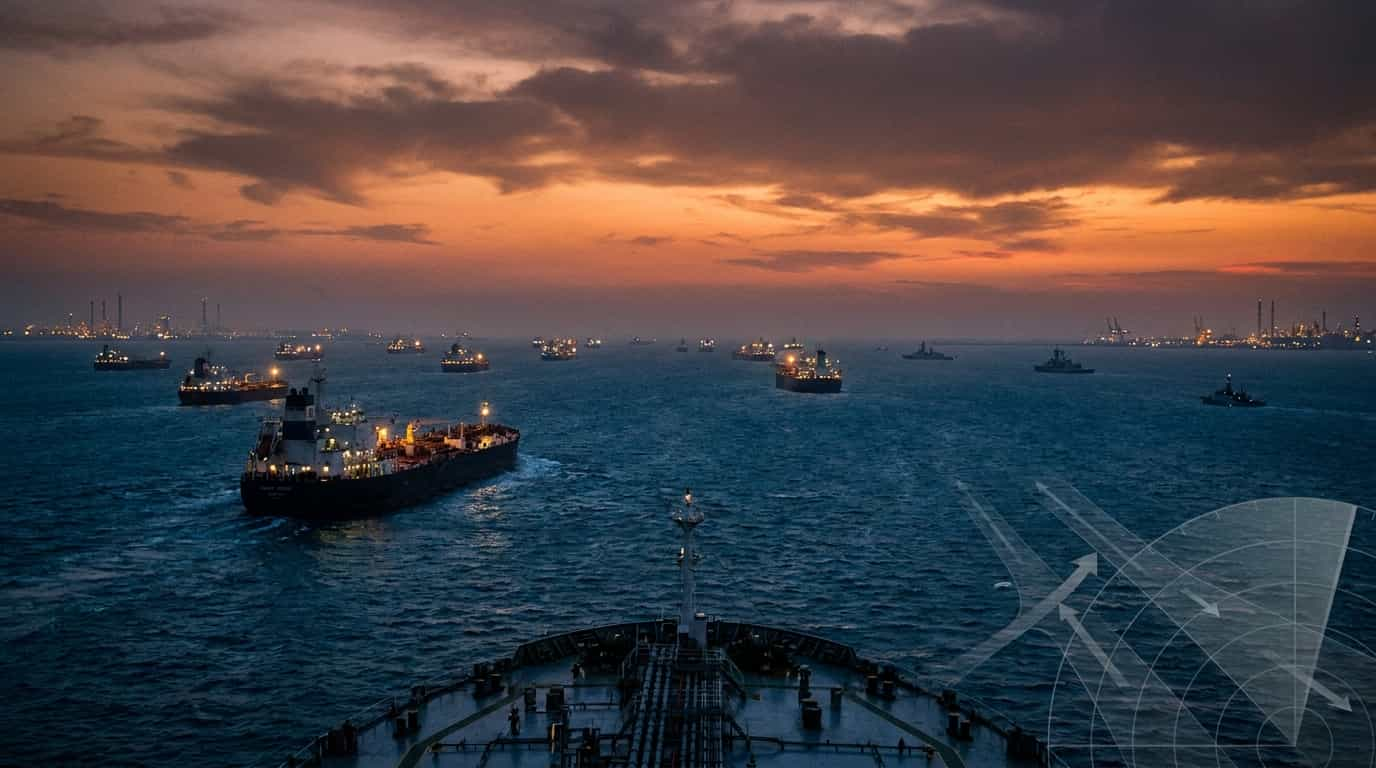
The Strait of Hormuz matters because it is the exit door for huge volumes of oil and gas from the Persian Gulf.
When that door looks open, oil markets breathe. When that door looks threatened, prices react. The EIA says flows through Hormuz in 2024 and the first quarter of 2025 made up more than one-quarter of global seaborne oil trade and around one-fifth of global oil and petroleum product consumption. The same EIA analysis says around one-fifth of global LNG trade also moved through Hormuz in 2024, mainly from Qatar.
That makes Hormuz important for:
Crude oil
Petroleum products
Liquefied natural gas
Shipping insurance
Tanker routes
Asian energy security
Inflation expectations
Fuel prices
A crisis there can spread far beyond the Middle East. It can affect importers in Asia. It can affect fuel costs in Europe. It can affect global inflation. And it can affect countries like Pakistan, where imported energy costs can quickly pressure fuel prices, transport fares and household budgets.
What Is the Oil Price Today?
As of the latest Reuters market reporting before the weekend, Brent crude was around $80.38 a barrel, while U.S. West Texas Intermediate was around $77.54 a barrel in Friday afternoon trading. Because June 21, 2026, is a Sunday, live futures markets may be closed or thinly traded, so the most useful reference is the latest available market close or pre-weekend trading report. For readers, the exact number is important. But the direction matters more.
Oil is currently reacting to:
Whether Hormuz traffic resumes normally
Whether Iran enforces restrictions
Whether U.S.–Iran talks continue
Whether Lebanon fighting calms
Whether Gulf producers can raise exports
Whether global demand weakens further
Whether refiners can secure enough crude
That is why “oil price today” is not just a market quote. It is a geopolitical signal.
Why Gas Prices May Rise Later
Crude oil is the raw material. Gasoline, petrol and diesel are the consumer products. When crude oil rises, gas prices do not always rise immediately. Refineries, taxes, inventories, currency exchange rates and local fuel policies all affect pump prices. But if crude prices remain high long enough, consumers usually feel it.
Higher crude oil can affect:
Petrol prices
Diesel prices
Jet fuel
Bus and truck transport
Food delivery costs
Airline tickets
Industrial costs
Electricity generation in fuel-dependent economies
That is why oil-price shocks often become inflation stories. When fuel becomes expensive, almost everything that moves becomes more expensive.
Why Oil Prices Can Fall Even During a Crisis
It may seem strange, but oil prices can fall even when the news looks dangerous. That happens when traders believe the worst-case scenario is becoming less likely. Reuters reported that Brent was set for a weekly fall of around 8% after signs of easing in Lebanon and hopes that Gulf export flows could recover, even though uncertainty over Iran’s shipping conditions remained.
Oil prices can fall when:
Traders expect a ceasefire
Shipping begins moving again
Tankers re-enter Hormuz
Demand weakens
Inventories rise
Non-Middle East supply increases
Governments release emergency reserves
The IEA also noted that producers outside the Middle East increased output and exports in response to the crisis, with higher shipments from the United States, Brazil, Canada, Kazakhstan and Venezuela helping provide some relief. So the oil market is not only about fear. It is also about adjustment.
What Happens If the Strait of Hormuz Is Closed?
A full and sustained closure of the Strait of Hormuz would be a major global energy event.
It could lead to:
Higher Brent and WTI crude prices
Increased tanker insurance costs
Shipping delays
Fuel shortages in exposed markets
More expensive LNG
Higher inflation expectations
Emergency government energy measures
Military escalation risk
Pressure on Asian importers
But there are levels of disruption. A verbal threat is not the same as a full closure. A permit system is not the same as a naval blockade. A temporary slowdown is not the same as months of halted exports. That distinction matters because oil prices move differently under each scenario.
Why Asia Is Most Exposed
Asia is especially exposed to any Hormuz disruption. The EIA estimates that in 2024, 84% of crude oil and condensate and 83% of LNG that moved through the Strait of Hormuz went to Asian markets. China, India, Japan and South Korea were the top crude destinations and together accounted for a large share of Hormuz crude flows.
That means a Hormuz crisis can directly affect:
China’s industrial supply chains
India’s fuel import bill
Japan’s energy security
South Korea’s refining sector
Pakistan’s imported fuel costs
LNG-dependent economies
For South Asia, higher oil prices can become a currency problem too. If a country imports most of its fuel, higher global oil prices increase the import bill. That can pressure foreign exchange reserves, weaken currencies and raise domestic inflation.
Iran Nuclear Deal and Oil Prices
Oil traders are also watching the Iran nuclear deal angle.
Reuters reported that the interim U.S.–Iran framework includes a 60-day negotiation period and that issues such as curbing Iran’s nuclear program in exchange for sanctions relief are expected to be part of later talks. However, Iran said substantive issues including its nuclear program would not be discussed until ceasefire and economic-benefit conditions were met. This matters for oil prices because sanctions relief could eventually allow more Iranian oil to enter global markets. If traders believe Iranian supply will rise, oil prices may soften. If talks collapse and conflict resumes, oil prices may jump.
That is why diplomacy can move crude markets almost as much as physical supply.
Why the Market Is So Volatile
Oil is volatile because the market is trying to price several possible futures at once. One future says diplomacy works, Hormuz reopens fully, Gulf exports recover and oil prices fall. Another future says talks fail, shipping becomes dangerous and prices rise again. A third future says there is no full closure, but uncertainty keeps tanker flows slow and insurance expensive. That middle scenario may be the most realistic near-term risk. Not a complete shutdown.
Not a full recovery. A nervous market stuck between both.
What This Means for Drivers
For drivers, the key question is whether crude oil changes will reach the pump. The answer depends on where you live. In the United States, gasoline prices depend heavily on crude prices, refinery margins, taxes, seasonal demand and local distribution costs. In the United Kingdom, fuel taxes and currency movements also matter. In Canada and Australia, regional supply chains affect pump prices.
In Pakistan, India and other import-dependent economies, exchange rates and government pricing policies can make global oil moves even more painful.
The general rule is simple:
If crude oil stays high, gas prices usually become harder to keep low. If crude oil falls and stays lower, pump prices may ease later.
What This Means for Investors
This article is not financial advice.
But from an informational perspective, oil-market watchers are likely focusing on:
Brent crude direction
WTI crude direction
Tanker movement through Hormuz
U.S.–Iran talks
OPEC+ production signals
Global inventory data
Refinery margins
LNG shipping flows
Inflation reports
Central bank reaction
Oil is not moving on one factor.
It is moving on the relationship between geopolitics, supply, demand and market psychology.
Myth vs Fact
Myth: Oil prices rise only when supply is physically cut.
Fact: Oil prices can rise on perceived risk, even before a full supply disruption occurs.
Myth: The Strait of Hormuz only matters to Gulf countries.
Fact: The EIA says Asian markets receive most of the crude and LNG flows moving through Hormuz, making the route globally important.
Myth: If Brent falls for one week, the crisis is over.
Fact: Prices can fall on hopes of recovery, then rise again if talks fail or shipping becomes risky.
Myth: Lower demand always means lower prices.
Fact: Demand weakness can reduce prices, but supply shocks, shipping risks and refinery disruptions can still keep markets volatile.
Myth: Gas prices change instantly when crude prices move.
Fact: Pump prices often lag crude oil because refining, taxes, inventory and distribution costs also matter.
What Happens Next?
The next oil-price move will likely depend on four big questions.
First: Does shipping through the Strait of Hormuz normalize?
If more tankers move safely and consistently, prices may ease.
Second: Do U.S.–Iran talks make real progress?
If diplomacy advances, markets may price in lower risk.
Third: Does regional fighting escalate again?
If Lebanon, Iran, Israel or Gulf shipping tensions worsen, oil could rise.
Fourth: Does global demand weaken enough to offset supply fears?
The IEA has already projected weaker demand in 2026, but tight supplies and infrastructure disruption can still create volatility.
For now, the market is waiting. And waiting is exactly what makes oil dangerous. The price of oil today is not just a number on a screen. It is a live reading of global anxiety. Every tanker entering Hormuz. Every diplomatic sentence from Washington or Tehran. Every sign of ceasefire progress. Every warning from shipping companies.
All of it feeds into one question:
Will oil keep flowing smoothly, or will the world’s most important energy route become a crisis point again? The answer will shape crude prices. Then gas prices. Then inflation. Then household budgets. Oil does not need panic to rise. Sometimes uncertainty is enough.
Frequently Asked Questions:
What is the oil price today?
The latest Reuters reporting before the weekend showed Brent crude around $80.38 a barrel and WTI around $77.54 a barrel during Friday trading. Because June 21, 2026, is a Sunday, live futures-market activity may be limited or closed depending on the contract and platform.
Why are oil prices rising today?
Oil prices are reacting to uncertainty around the Strait of Hormuz, U.S.–Iran talks, Middle East tensions, tanker movement and global supply-demand conditions.
What is Brent crude?
Brent crude is a global benchmark used to price much of the world’s oil. It is especially important for international markets.
What is WTI crude?
WTI, or West Texas Intermediate, is the main U.S. crude oil benchmark.
Why does the Strait of Hormuz affect oil prices?
The Strait of Hormuz is a major energy chokepoint. The EIA says flows through Hormuz made up more than one-quarter of global seaborne oil trade in 2024 and early 2025.
Will gas prices rise?
Gas prices may rise if crude oil stays high long enough. Pump prices also depend on taxes, refining costs, inventories, currency exchange rates and local fuel policies.
What happens if Hormuz closes?
A full closure could disrupt oil and LNG shipments, raise shipping costs, increase insurance premiums and push global fuel prices higher.
Can oil prices fall again?
Yes. Oil prices can fall if diplomacy progresses, shipping normalizes, demand weakens or global supply improves.
How does the Iran nuclear deal affect oil prices?
If negotiations lead to sanctions relief and more Iranian oil supply, prices could soften. If talks collapse and conflict escalates, prices could rise.
Is this financial advice?
No. This article is for general information and news analysis only. It is not investment, trading or financial advice.
External Sources:
Reuters oil market updates
U.S. Energy Information Administration
International Energy Agency Oil Market Report
OPEC Monthly Oil Market Report
U.S. Central Command statements
Official shipping advisories where available
oil price today, crude oil prices today, Brent crude today, WTI crude oil, gas prices today, Strait of Hormuz closed, Iran nuclear deal, Middle East oil crisis, fuel prices, oil market today, oil price forecast, global oil supply, energy prices, petrol prices, diesel prices, oil shipping routes, Hormuz oil prices, Iran oil crisis, OPEC oil supply, oil demand, inflation, Crude Oil, Brent, WTI, Gas Prices, Strait of Hormuz, Iran, Energy Crisis, Global Markets, Inflation




Discussion
Comments
Approved comments are published after moderation to keep discussion useful and spam-free.
No comments yet. Start the discussion below.