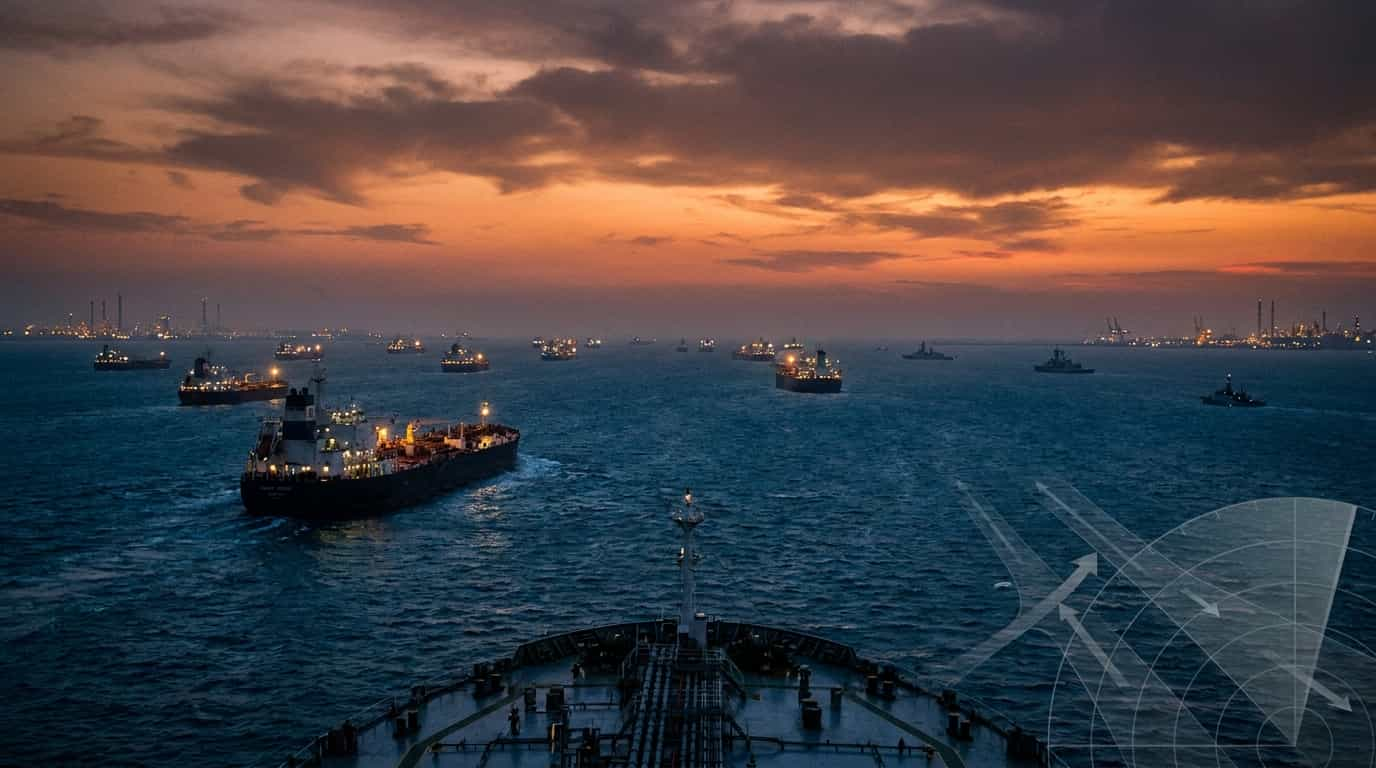
Strait of Hormuz Oil Shipping Crisis 2026: How Iran’s Closure Is Reshaping Global Energy Markets
Last updated: July 10, 2026
The world did not wake up to a chain stretched across the Strait of Hormuz.
There was no giant gate rising from the sea.
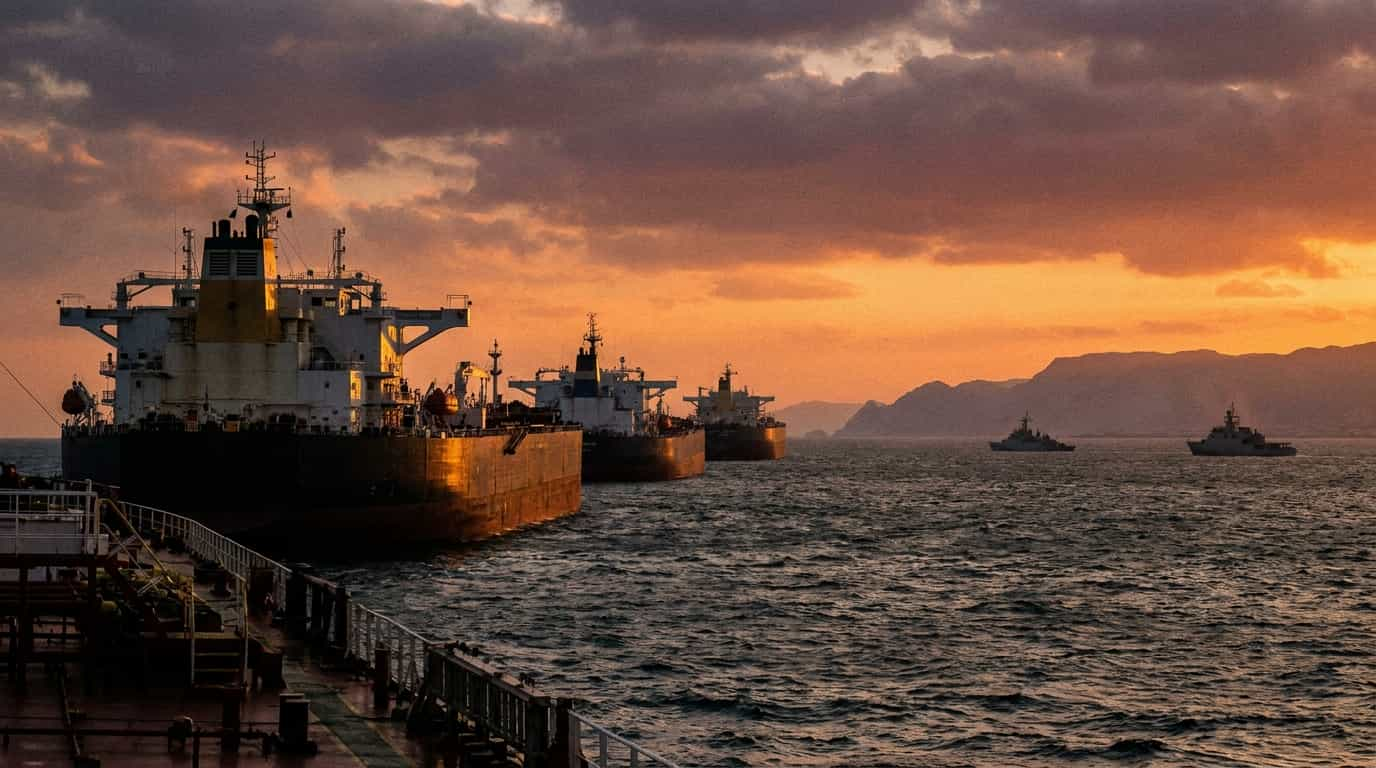
Instead, ships slowed down. Tankers turned back. Insurance became unavailable or prohibitively expensive. Crews became reluctant to enter the danger zone. Oil-producing countries began running out of storage space—and eventually had to reduce production because the crude could no longer leave the Persian Gulf.
That is how one narrow waterway began shaking fuel prices, food markets, currencies, shipping companies and household budgets thousands of miles away.
The Strait of Hormuz crisis is no longer only a story about Iran, the United States or military control of the Persian Gulf.
It is a story about the invisible route connecting an oil terminal in the Gulf to a petrol station in London, a factory in Germany, a power plant in Japan, a fertiliser buyer in Pakistan and a food market in Africa.
And even if shipping returns tomorrow, the crisis will not simply disappear.
The world has already learned something it cannot unlearn:
One of the most important arteries in the global economy can still be squeezed almost overnight.
What Actually Happened in the Strait of Hormuz?
The current crisis developed after military operations against Iran began on February 28, 2026, followed by Iranian retaliation across the Persian Gulf.
According to a Congressional Research Service report, Iranian forces began declaring the Strait “closed” from March 4, threatening and carrying out attacks against ships attempting to pass through the waterway. Commercial traffic fell sharply as security concerns and war-risk insurance costs rose. (USNI News)
But the word closure requires explanation.
Iran did not need to stop every vessel physically.
A shipping route can become effectively closed when:
Tankers risk being attacked or seized.
Mines, missiles and drones threaten navigational lanes.
Insurance companies refuse to cover voyages.
Shipowners decide the cargo is not worth the risk.
Seafarers refuse to enter the area.
Freight and security costs become economically unbearable.
Brookings described the Strait as effectively closed because insurance had become unavailable or prohibitively expensive and crews were unwilling to make the journey. It reported that only limited traffic continued, including vessels granted or purchasing some form of safe passage. (Brookings)
UN Trade and Development recorded an extraordinary early collapse in traffic: ship transits reportedly fell from around 130 per day in February to only six per day in March—a decline of about 95%. (UN Trade and Development (UNCTAD))
This was not merely a traffic jam.
It was the sudden constriction of the world’s most important energy shipping chokepoint.
Why Does the Strait of Hormuz Matter So Much?
Look at a map and the Strait appears small.
It connects the Persian Gulf to the Gulf of Oman and the Arabian Sea. At its narrowest point, the waterway is only about 54 kilometres wide, with dedicated lanes for inbound and outbound shipping.
But its economic importance is enormous.
In 2025, nearly 20 million barrels per day of crude oil and petroleum products passed through the Strait. That represented roughly 25% of the world’s seaborne oil trade. Approximately 80% of those shipments were destined for Asian markets. (IEA)
The same route also carries liquefied natural gas.
About 93% of Qatar’s LNG exports and 96% of the United Arab Emirates’ LNG exports normally pass through Hormuz. Together, these flows account for approximately 19% of global LNG trade. (IEA)
The Strait therefore carries far more than crude oil.
It carries:
Petrol and diesel feedstocks
Aviation fuel
Liquefied natural gas
Petrochemicals
Fertiliser materials
Helium
Industrial inputs
Commercial cargo
That is why disruption does not remain inside the energy market.
It moves outward.
First into shipping.
Then into factories.
Then into transport.
Then into food.
And finally into the cost of everyday life.
The First Shock: Oil Nearly Stopped Moving
Before the conflict, around 20 million barrels of crude oil and petroleum products moved through Hormuz each day.
By March, the International Energy Agency said those flows had fallen to a trickle. Export volumes dropped below 10% of their pre-conflict level, forcing Gulf producers to shut in or reduce production as storage facilities filled. (IEA)
The disruption became larger than the major oil shocks of the 1970s.
The Dallas Federal Reserve estimated that a complete cessation of Gulf oil exports could remove close to 20% of global oil supply. By comparison, the disruptions linked to the 1973 Arab oil embargo and the 1990 Gulf War removed only a little more than 6% of global supply. (Federal Reserve Bank of Dallas)
Oil markets reacted immediately.
The Congressional Research Service reported that Brent crude rose from $71.32 per barrel on February 27 to $77.24 by March 2 before eventually climbing above $100 as the conflict and shipping disruption continued. (USNI News)
The IEA described the event as the largest supply disruption in the history of the global oil market. Gulf production cuts eventually exceeded 10 million barrels per day, with losses deepening as shipping restrictions continued. (IEA)
For a few weeks, the question was no longer whether oil would become more expensive.
The question was how much of the world economy could continue functioning normally if the flow did not return.
The Emergency Response That Prevented an Even Bigger Shock
Oil prices did not continue rising without limit.
That does not mean the crisis was exaggerated.
It means governments, producers, consumers and markets responded.
On March 11, IEA member countries agreed to make 400 million barrels of emergency oil reserves available—the largest coordinated stock release in the agency’s history. (IEA)
Those reserves bought time.
The global market also entered the crisis with relatively high inventories and an expected supply surplus. Oil producers outside the Gulf increased exports, while the United States released additional crude from strategic reserves. Higher prices also reduced demand as consumers drove less, airlines adjusted operations and industrial users cut fuel consumption. (IEA)
There were also two important pipeline escape routes.
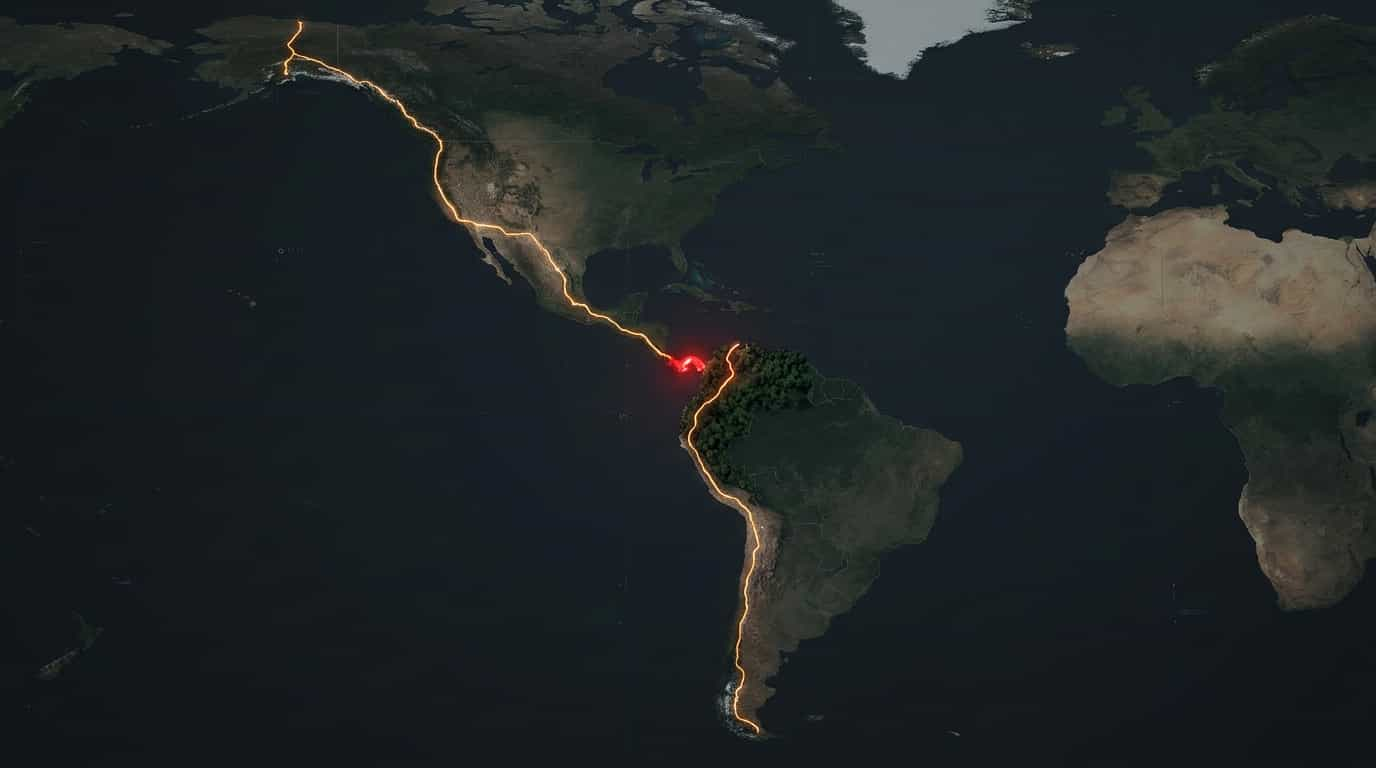
Saudi Arabia can move crude westward through its East-West pipeline to the Red Sea port of Yanbu. The UAE operates a pipeline from Habshan to Fujairah, allowing some crude to reach the Gulf of Oman without passing through Hormuz.
However, these routes cannot replace the Strait.
The IEA estimates that only around 3.5 million to 5.5 million barrels per day of potential bypass capacity is available, compared with almost 20 million barrels per day that normally move through Hormuz. (IEA)
In other words, the pipelines are emergency exits.
They are not another building.
Why Oil Prices Fell Even While the Crisis Continued
This is where the story becomes confusing.
If the Strait is so important, why was Brent crude trading below $80 by July?
On July 10, Brent futures were near $75.92 per barrel, while West Texas Intermediate traded around $71.39. Prices had declined as traders hoped shipping would resume and diplomatic efforts would prevent another prolonged interruption. Even so, Brent was still heading for a weekly gain of around 6% after renewed confrontation disrupted tanker traffic again. (Reuters)
The decline reflects several forces:
Emergency reserves reached the market.
Oil demand weakened.
Alternative supplies increased.
Some Gulf exports resumed.
Investors began pricing in the possibility of reopening.
But lower oil prices do not prove that the shipping crisis is over.
They reveal something more subtle:
Oil prices reflect what traders believe will happen next—not only what is happening today.
The market may accept a short disruption if it expects a rapid reopening. It reacts far more violently when it believes a shortage will last for months.
By early June, flows through Hormuz had recovered from a May low of around 9.6 million barrels per day to approximately 12 million barrels per day. However, the IEA warned that a full recovery would take time because of demining, logistical disruption, unresolved transit arrangements and the need to restart production and rebuild depleted inventories. (IEA)
Renewed hostilities in July once again slowed tanker traffic. Some LNG carriers continued to pass, but a full and dependable reopening had not been achieved as of July 10. (Reuters)
The price fell.
The risk did not disappear.
Asia Is Carrying the Heaviest Burden
Around 80% of the oil moving through Hormuz normally travels to Asia.
China, India, Japan and South Korea are among the most important buyers. China and India together received approximately 44% of crude exports that passed through the Strait in 2025. (IEA)
This makes the Hormuz crisis particularly dangerous for Asian economies.
Many depend on imported fuel to operate:
Factories
Power systems
Freight networks
Airlines
Petrochemical plants
Public transport
Agricultural machinery
By June, the IEA estimated that crude imports into China and Japan had each fallen by roughly 40% compared with earlier levels, representing a combined decline of nearly six million barrels per day. (IEA)
Large economies may have reserves, long-term contracts and the purchasing power to compete for replacement cargoes.
Smaller developing countries have less protection.
When several countries compete for limited fuel, the highest bidder receives the shipment.
The others face shortages, currency pressure or higher debt.
This is why a shipping crisis in Hormuz can rapidly become a balance-of-payments crisis in countries far from the Persian Gulf.
The LNG Crisis Is Just as Important as the Oil Crisis
Oil dominates the headlines because petrol prices are visible.
But natural gas may produce equally serious consequences.
Qatar is one of the world’s largest LNG exporters, and almost all its seaborne LNG must pass through the Strait of Hormuz. The UAE also depends heavily on the route.
Together, Qatar and the UAE normally provide almost one-fifth of global LNG exports. (IEA)
During the disruption, LNG supplies from the two countries reportedly fell by more than 300 million cubic metres per day—more than two billion cubic metres each week. (IEA)
That matters because LNG is used for:
Electricity generation.
Industrial heating.
Chemical production.
Residential heating.
Fertiliser manufacturing.
European and Asian gas prices rose rapidly after shipping was disrupted. The Congressional Research Service reported that Asian and European natural-gas prices increased by approximately 54% and 63%, respectively, during the first week of the conflict. (USNI News)
The gas market therefore faced the same problem as the oil market—but with fewer flexible alternatives.
An oil cargo can often be replaced by another grade from another producer.
LNG terminals, shipping contracts and gas infrastructure are more specialised.
That makes replacement slower and more expensive.
How an Oil Crisis Becomes a Food Crisis
The most dangerous consequences of Hormuz may not appear at petrol stations.
They may appear on dinner tables.
Modern agriculture depends on energy at almost every stage.
Natural gas is a key input in producing nitrogen fertilisers. Diesel powers tractors and harvesting machinery. Fuel moves crops from farms to processing plants and then to cities. Ships transport grain, fertiliser and animal feed across continents.
When gas prices rise, fertiliser becomes more expensive.
When diesel rises, farming and transport become more expensive.
When insurance and freight costs rise, imported food becomes more expensive.
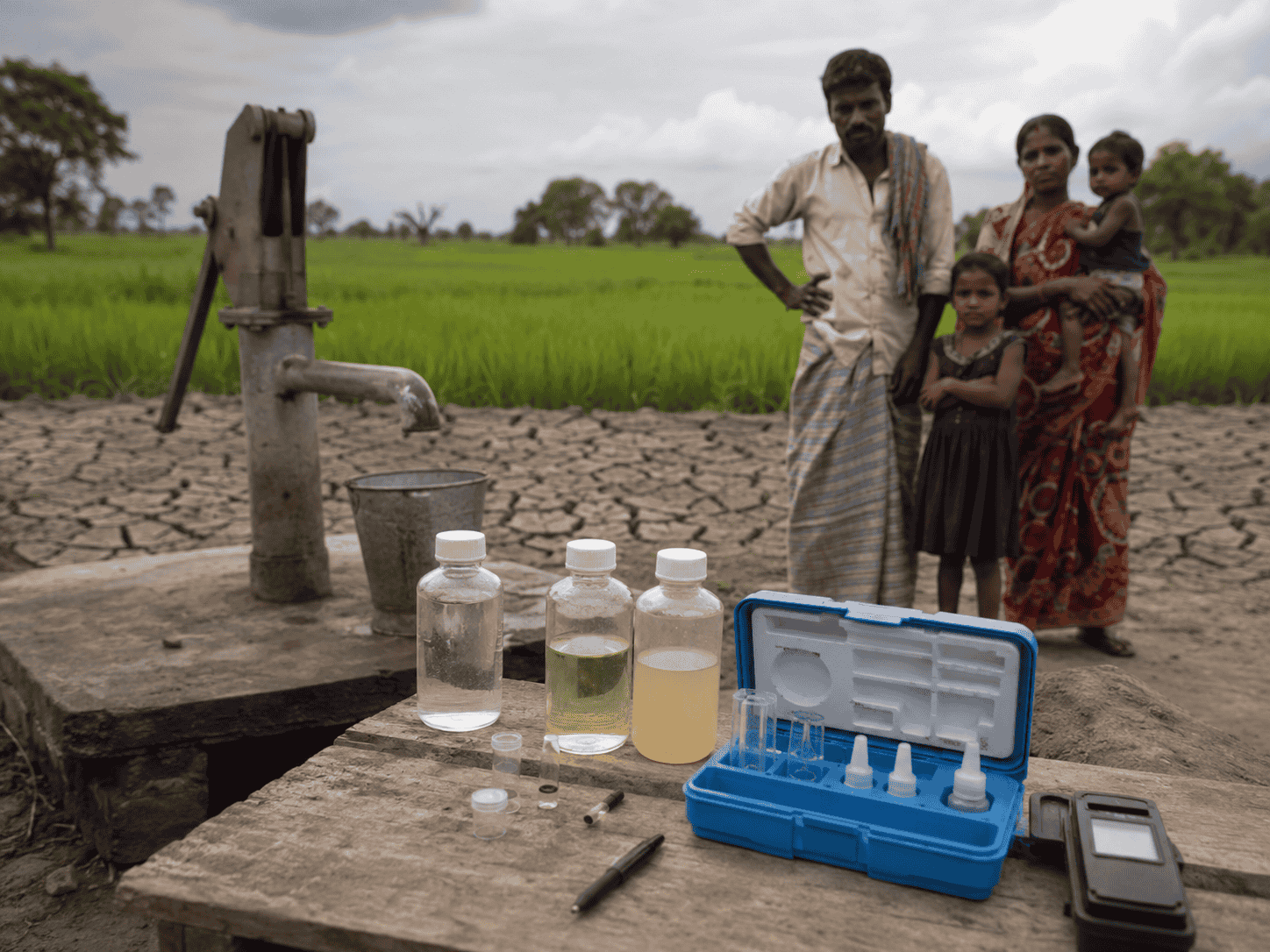
UN Trade and Development warned that higher energy, fertiliser, shipping and insurance costs could increase food prices and intensify cost-of-living pressures, particularly for the world’s poorest households. (UN Trade and Development (UNCTAD))
The Persian Gulf is also an important producer and exporter of fertiliser and related industrial materials.
This creates a double shock:
Countries must pay more to import fuel.
Then they must pay more to grow or import food.
Wealthy households may complain about higher prices.
Poor households skip meals.
That is how a crisis involving tankers and missiles can eventually become a humanitarian emergency without another shot being fired.
Shipping Insurance Became a Weapon Without Being a Weapon
Oil cannot move simply because a tanker exists.
The vessel needs:
An owner willing to send it
A crew willing to sail it
A buyer willing to receive the cargo
A bank willing to finance it
An insurer willing to cover the journey
Ports willing to process it
Remove one part of that chain and the shipment may stop.
War-risk insurance costs surged after the conflict began. The Congressional Research Service noted that the United States considered government-backed insurance and possible naval escorts to encourage commercial shipping through the Strait. (USNI News)
But insurance is not only about compensation after an attack.
It is a calculation of whether the voyage should happen at all.
If insurers believe the risk of damage, seizure, mines or crew casualties is too high, the premium can make the journey uneconomic.
This is one of the central lessons of the 2026 crisis.
A country does not necessarily need to sink dozens of vessels to stop trade.
It may only need to make the next voyage feel financially and physically impossible.
What the Crisis Could Do to Inflation and Growth
Higher oil prices behave like a tax on much of the economy.
Households spend more on petrol and electricity, leaving less money for restaurants, clothing, entertainment and other goods.
Companies pay more for transport, raw materials and production. They may raise prices, reduce hiring or delay investment.
Central banks then face an uncomfortable choice.
If they raise interest rates to fight energy-driven inflation, they may weaken an already slowing economy.
If they avoid raising rates, inflation may become more persistent.
The Dallas Fed modelled a scenario in which the closure removed close to 20% of global oil supply during the second quarter. It estimated that WTI crude could average approximately $98 per barrel and global real GDP growth could fall by an annualised 2.9 percentage points during the quarter. These were modelled outcomes rather than guaranteed forecasts. (Federal Reserve Bank of Dallas)
A separate Dallas Fed assessment estimated that a one-quarter closure reducing global oil supply by 15% could add 0.6 percentage points to year-over-year US headline inflation and subtract 0.2 percentage points from GDP. A longer disruption would produce more severe effects. (Federal Reserve Bank of Dallas)
The United States now produces far more oil than during earlier energy crises.
But it is not isolated.
Oil is traded globally. When international prices rise, American producers do not sell the same product cheaply at home simply because it was extracted in Texas.
Energy independence does not mean price independence.
Developing Economies Face a Different Kind of Emergency
For wealthy countries, the crisis is largely about inflation and slower growth.
For developing countries, it can become a currency and debt crisis.
Oil and LNG are generally purchased in dollars.
When fuel prices rise, importing countries need more dollars to buy the same amount of energy. Demand for foreign currency increases, while local currencies may weaken.
A weaker currency then makes oil even more expensive.
Governments may respond by subsidising fuel, but subsidies increase public spending and debt. Removing subsidies can trigger public anger and deeper poverty.
UNCTAD warned that investors were withdrawing from riskier developing markets, weakening currencies and increasing borrowing costs. It also noted that billions of people live in countries already spending more on debt payments than on health or education. (UN Trade and Development (UNCTAD))
The cruelest part of the crisis is therefore not that every country suffers equally.
It is that the countries with the weakest financial protection often pay the highest human price.
The Strait Is Reshaping Energy Strategy
Before 2026, governments treated Hormuz disruption as a scenario.
Now they must treat it as experience.
Energy-importing countries are likely to reconsider how much fuel they store, where it comes from and how many routes can deliver it.
Gulf exporters will invest more heavily in pipelines, terminals and facilities outside the Persian Gulf.
Asian countries may seek a larger number of long-term contracts with producers in Africa, North America and elsewhere.
Governments may expand emergency reserves not only for crude oil but also for petroleum products and LNG.
The crisis may also accelerate investment in electric vehicles, renewable electricity, public transport and energy efficiency—not only for climate reasons, but because reducing oil dependence is increasingly viewed as a national-security strategy.
UNCTAD has argued that secure transport corridors, protected civilian infrastructure, stronger ports and greater trade resilience will be necessary to reduce the impact of future chokepoint disruptions. (UN Trade and Development (UNCTAD))
Energy security is no longer only about producing enough fuel.
It is about whether that fuel can reach the buyer.
What Happens Next? Three Possible Paths
No one can reliably predict the final outcome, but the market is watching three broad possibilities.
1. A Gradual and Reliable Reopening
Under the most favourable scenario, diplomacy holds, shipping security improves, mines and other threats are removed, insurance becomes available and traffic gradually returns.
Oil and gas prices could continue easing.
But production cannot be restarted instantly. Inventories must be rebuilt, tankers must be repositioned and damaged or disrupted infrastructure must be restored.
Even after a reopening, normal conditions may take months to return. (Brookings)
2. Selective or Politicised Passage
Iran could continue allowing certain vessels or countries to pass while restricting others, demanding tolls or using access as political leverage.
This would create a divided shipping system in which nationality, ownership, destination and political alignment influence who receives safe passage.
Such a system would keep insurance costs high and permanently add a geopolitical premium to Gulf energy.
3. Renewed Near-Total Disruption
Another series of attacks, seizures or military strikes could again reduce traffic to a trickle.
Prices would probably rise quickly, particularly if emergency reserves had already been depleted.
The most serious risk would not be a single price spike.
It would be a prolonged cycle of reopening, renewed attacks and sudden shutdowns—making it impossible for companies and governments to plan.
Is the Strait Open or Closed Right Now?
As of July 10, 2026, the most accurate answer is:
It is neither normally open nor completely sealed.
Traffic has resumed at different levels during periods of de-escalation, but renewed fighting has repeatedly slowed tanker movements and delayed a dependable reopening.
Reuters reported that some LNG vessels had recently passed, while overall daily traffic remained restricted. Oil prices declined because traders hoped shipping would recover—not because normal operations had already been fully restored. (Reuters)
On July 8, the heads of the IEA, IMF, World Bank and World Trade Organization said fuel and fertiliser prices had declined but warned that uncertainty remained high, energy markets were still strained and reopening the Strait remained necessary. (IEA)
That distinction matters.
Markets can celebrate a ship passing through.
The global economy needs thousands of voyages to become routine again.
Final Word: The Crisis Is Bigger Than Oil
The Strait of Hormuz crisis has exposed something the modern world prefers not to think about.
The global economy may feel digital, automated and borderless.
But it still depends on physical ships moving through narrow passages.
A cloud server requires electricity.
A delivery app requires diesel trucks.
A supermarket requires fertiliser, refrigeration and transport.
An airline requires jet fuel.
A factory requires energy and imported materials.
When one maritime artery stops working, the shock does not remain at sea.
It enters currencies.
It enters inflation reports.
It enters elections.
It enters household budgets.
And eventually, it enters the price of bread.
The Strait may reopen before the crisis is over.
That is the part the world is only beginning to understand.
Frequently Asked Questions
Has Iran completely closed the Strait of Hormuz?
Iranian forces declared the Strait closed and threatened or attacked commercial traffic. However, some vessels have continued to pass at different times. The most accurate description is an effective, selective or de facto closure rather than a permanently sealed waterway.
How much oil normally passes through Hormuz?
Nearly 20 million barrels per day of crude oil and petroleum products passed through the Strait in 2025, representing around 25% of global seaborne oil trade. (IEA)
Which countries depend most on the Strait?
China, India, Japan and South Korea are among the major oil importers. Gulf exporters including Saudi Arabia, Iraq, Kuwait, Qatar, Bahrain, Iran and the UAE also depend heavily on the route.
Can pipelines replace the Strait of Hormuz?
No. Saudi Arabia and the UAE have pipelines that bypass the Strait, but estimated available alternative capacity is only 3.5 million to 5.5 million barrels per day—far below the normal Hormuz flow. (IEA)
Why did oil prices fall despite restricted shipping?
Emergency stock releases, weaker demand, alternative supplies, partial recovery of exports and expectations of diplomatic progress pushed prices down. Markets were pricing in a future reopening, although significant risks remained.
How does the crisis affect food prices?
Higher oil and gas prices increase farming, fertiliser, processing, shipping and refrigeration costs. These expenses eventually reach consumers through higher food prices.
Could oil return above $100 per barrel?
Yes, particularly if traffic again falls close to zero for an extended period. However, prices will depend on the duration of the disruption, emergency reserves, demand, alternative production and diplomatic developments.
References
This article prioritised institutional and primary reporting over crowd-edited sources:
International Energy Agency: Strait of Hormuz energy-flow data and 2026 oil-market reports. (IEA)
Congressional Research Service report reproduced by the US Naval Institute. (USNI News)
Federal Reserve Bank of Dallas economic analysis. (Federal Reserve Bank of Dallas)
UN Trade and Development assessments of shipping, food, inflation and developing-economy risks. (UN Trade and Development (UNCTAD))
Brookings analysis of the effective closure, alternative pipelines and market recovery. (Brookings)
Reuters reporting for the July 10 market and shipping update. (Reuters)
Wikipedia may be useful for finding a broad chronology, but it should not be treated as the primary authority for casualty figures, military claims, shipping status or current market data.
Iran’s effective closure of the Strait of Hormuz disrupted the world’s most important energy shipping route. Here is how the crisis is changing oil, LNG, food, inflation and global trade.
Tags
Strait of Hormuz, Iran crisis, oil prices, global energy markets, oil shipping, LNG crisis, Middle East conflict, energy security, shipping crisis, global economy, inflation, food prices, oil market 2026


Discussion
Comments
Approved comments are published after moderation to keep discussion useful and spam-free.
No comments yet. Start the discussion below.