
The Great Collapse: Why Scientists Say the Sixth Mass Extinction Is No Longer a Theory
There is a specific kind of silence that descends upon the office towers of Manhattan or the glass-fronted boardrooms of London during a mid-summer heatwave. It is a silence manufactured by industrial-grade climate control, a pressurized atmosphere designed to filter out the frantic reality of a planet that is rapidly decoupling from the stability we have long taken for granted. Looking down at the grid of a major city from the fortieth floor, one sees the triumph of human engineering—a testament to our ability to build, to manage, and to shield ourselves from the elements.
But that shield is becoming increasingly porous.
For billions of years, Earth has breathed in cycles of birth and death. The geological record is a grim testament to the fragility of life. Five times in the planet’s deep history, the lights have gone out on the majority of existence. These "Big Five" mass extinctions were triggered by cataclysmic events: asteroid impacts that shrouded the sun in ash, massive volcanic traps that acidified the oceans, and glacial shifts that locked the world in ice for eons. Each time, the biological clock was reset, favoring the survival of the resilient over the dominance of the specialized.
But today, we are witnessing a phenomenon that is fundamentally, terrifyingly different.
The "Sixth Mass Extinction"—often referred to in scientific literature as the Anthropocene Extinction—is no longer a theoretical hypothesis debated in the quiet corridors of biology departments at Oxford or Stanford. It is a recorded, undeniable event. Unlike its predecessors, which were driven by external planetary forces, this extinction is being driven entirely by us: the collective weight of human industry, global consumption, and the systematic dismantling of the biosphere.
The stakes have evolved beyond the preservation of a few charismatic species or the prevention of deforestation. The conversation among those of us who track global risk has shifted to a far grimmer reality: the potential for systemic global collapse. We are not merely losing biodiversity; we are actively dismantling the life-support systems of the planet that underpin the prosperity of the Western world.
The Threshold of No Return: Redefining Extinction
To understand the current crisis, we must purge the misconception that "extinction" is a slow, gradual, and distant process. In the deep-time geological record, mass extinction is a blink of an eye. While evolutionary biology suggests a "background rate" of extinction—the natural pace at which species fade away—we are currently operating at a velocity that defies precedent.
In my recent conversations with lead researchers at major European environmental agencies, the consensus is chilling. They aren't talking about "if" the web will fray; they are tracking the speed at which it is tearing—even in regions we once considered environmentally stable.
Current data suggests that species extinction rates are now between 1,000 and 10,000 times higher than natural background rates. We are seeing the rapid collapse of specialized ecosystems that serve as the foundational infrastructure of the global economy. Consider the "invisible" extinction: Mycorrhizal fungi. These subterranean networks sustain our forests, facilitate nutrient cycling, and regulate soil carbon. As soil health degrades due to industrial agriculture and chemical runoff across the American Midwest and the European Union, these networks fail. When foundation species like these falter, they do not fall in isolation; they initiate a trophic cascade. They take with them the plants that depend on them, the insects that feed on those plants, and the predators at the top of the chain.
We are effectively pulling the threads out of a complex tapestry, hoping the fabric won't unravel—but the fraying is already visible. In the shrinking aquifers of the Great Plains and the dying coral of the Mediterranean, the lesson is clear: nature is not a backdrop. It is the stage upon which our entire economy is built. When the stage collapses, the play ends.
The Planetary Boundaries Framework
To quantify this collapse, scientists have developed the "Planetary Boundaries" framework—a set of nine Earth-system processes that determine the stability of the planet. As of 2026, we have breached or are operating dangerously close to the boundary of at least six of these nine:
Biosphere Integrity: We are losing genetic diversity at an unprecedented pace.
Land-System Change: We have repurposed vast swathes of wilderness for industrial agriculture, leaving little room for natural resilience.
Climate Change: The breaching of the 1.5°C threshold is now widely considered an inevitability, not a projection.
Biogeochemical Flows: The excessive use of nitrogen and phosphorus in fertilizers has created vast "dead zones" in the Baltic Sea and the Gulf of Mexico.
Introduction of Novel Entities: The proliferation of microplastics and synthetic chemicals has fundamentally altered the chemistry of our water tables.
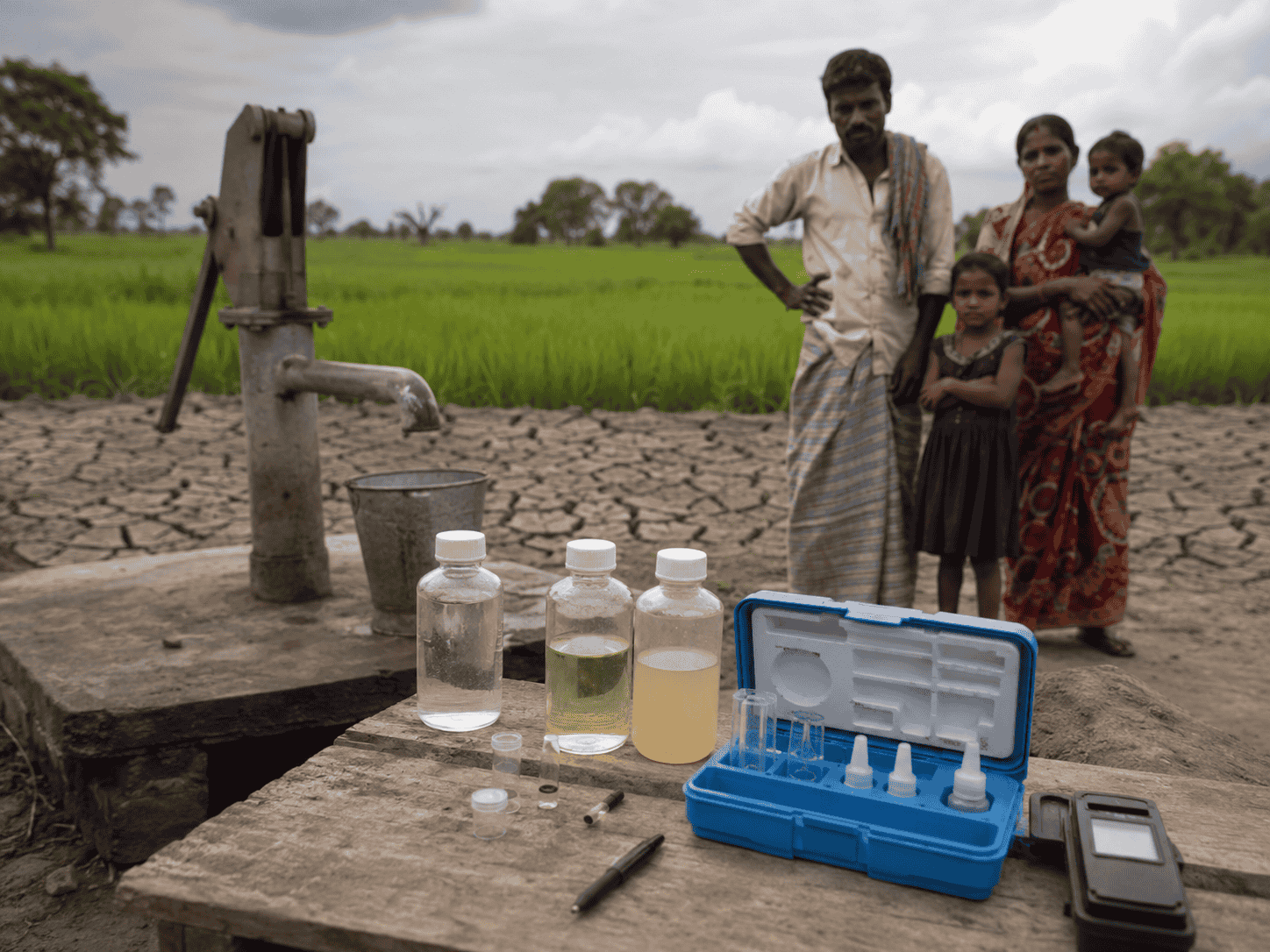
Freshwater Change: We are depleting aquifers faster than they can be recharged, jeopardizing the water security of European and North American industrial hubs alike.
When one boundary is breached, it weakens the integrity of the others. This is the definition of systemic risk. We are not dealing with a climate crisis, a pollution crisis, or a biodiversity crisis in isolation; we are dealing with a planetary dysregulation crisis.
The Domino Effect: Biodiversity Loss as a Geopolitical Risk
For decades, environmentalism was siloed away as an "ethical," "aesthetic," or "nature-centric" issue—a concern for activists, not for the hard-nosed pragmatists of geopolitics. In 2026, this separation has collapsed. The World Economic Forum and major intelligence agencies now treat biodiversity loss and ecosystem collapse as top-tier global risks, sitting comfortably alongside nuclear proliferation, economic instability, and cyber-warfare.
The reason is the principle of Interdependency.
I spoke recently with a lead supply-chain analyst in Chicago who put it bluntly: "Modern civilization is a just-in-time logistics chain built on a just-in-time planet." We rely on what ecologists call "ecosystem services"—the natural processes that provide, for free, what we cannot engineer:
Pollination: Over 75% of global food crops rely on animal pollination. The decline of insect populations in the US and Europe is not a quirk of nature; it is a direct threat to the caloric output of the West.
Water Filtration: Wetlands and forests filter our freshwater. Their loss forces us to build increasingly expensive, energy-intensive water treatment infrastructure, shifting costs directly onto municipal budgets.
Climate Regulation: The peatlands and forests are the world’s carbon sinks. Their degradation transforms them from allies into carbon sources, accelerating the warming that further degrades them.
When these services fail, the results are immediate and volatile:
Supply Chain Disintegration: Agriculture, which relies on consistent rainfall and pollinator populations, is becoming increasingly volatile. A bad harvest in the Corn Belt or the French wheat fields is no longer just a "bad year"; it is a localized food crisis that ripples through global commodity markets, triggering political unrest.
Forced Migration: As regions become inhospitable due to extreme heat or flooding, we are facing the prospect of hundreds of millions of climate refugees. This movement of people places an unprecedented strain on the social and economic fabric of host nations in Europe and North America, leading to rising nationalism and border instability.
Economic Externalities: Government budgets, already strained by debt, are being diverted away from education, healthcare, and innovation, and toward disaster recovery, flood protection, and famine relief. We are essentially spending our future to pay for our present survival.
Tipping Points: Understanding the 1.5°C Overshoot
The scientific community is currently laser-focused on "tipping points"—thresholds that, once crossed, lead to irreversible, self-perpetuating changes. The transition to a warmer planet is not linear; it is punctuated by shifts that accelerate the process regardless of human intervention.
We are no longer looking at gradual warming; we are looking at the possibility of a "domino effect" among the Earth’s systems.
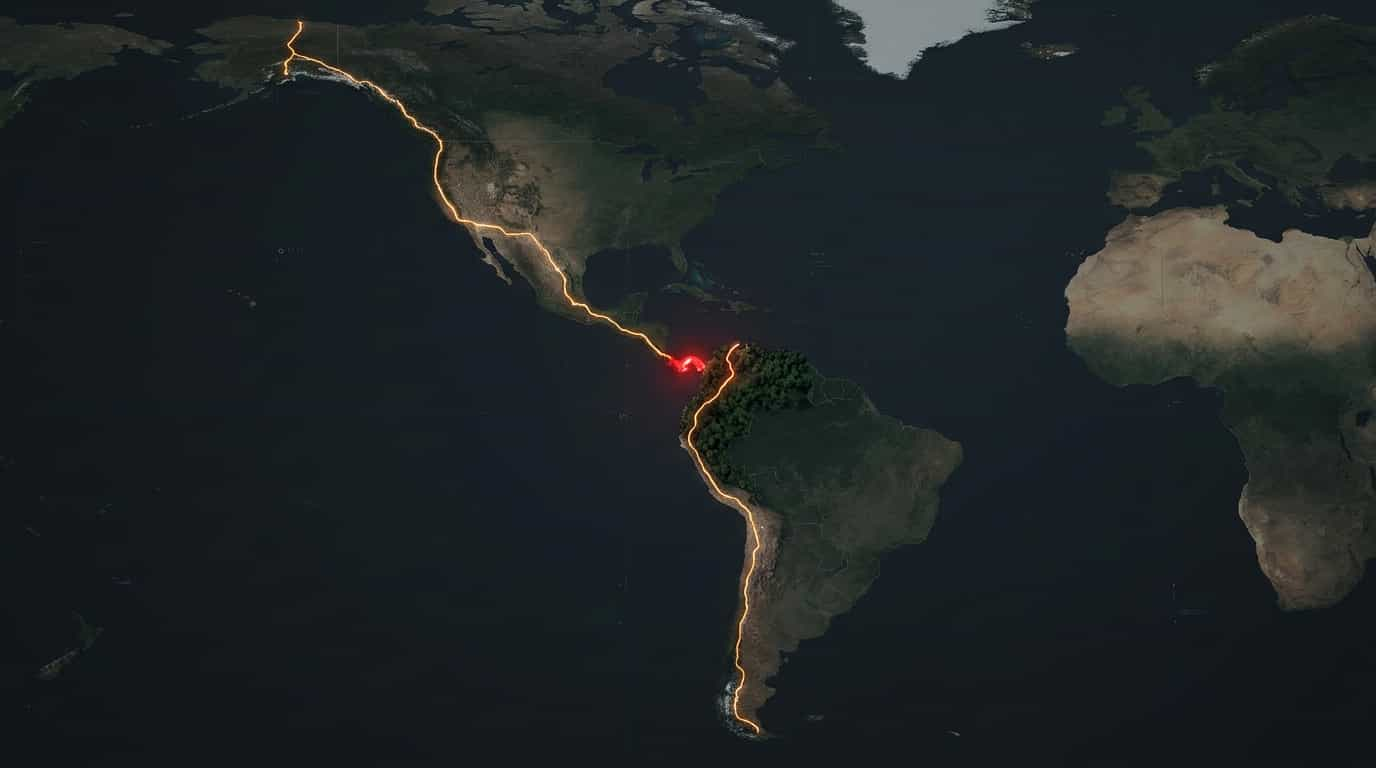
The Amazon Dieback: If the Amazon loses enough canopy cover, it loses its ability to generate its own rainfall. It transitions from a rainforest into a dry savanna. This would release billions of tons of carbon into the atmosphere, creating a feedback loop that humans cannot "switch off."
The Albedo Effect & Ice Melt: As Arctic ice melts, the planet loses its "mirror"—the white surface that reflects sunlight back into space. The dark ocean water absorbs more heat, causing more ice to melt. This is a classic runaway feedback loop.
The Permafrost Methane Bomb: As Arctic regions warm, they thaw frozen organic matter, which decomposes and releases methane—a greenhouse gas significantly more potent than CO2 in the short term. This creates a self-reinforcing cycle of heating that human emission reductions alone may no longer be able to contain.
The consensus is grim: Once these systems enter their runaway phase, they are beyond the reach of conventional climate policy. They become independent planetary forces.
The Cost of Inaction: Beyond the Environmental Argument
For a long time, the political and business discourse in Washington and Brussels was dominated by the narrative that "the environment costs too much to save." This view was built on a flawed accounting model that treated nature as an infinite resource with a value of zero.
In 2026, this narrative is being dismantled by the reality of the balance sheet. The environment does not cost too much to save; it costs too much to lose.
When we calculate the cost of inaction, we aren't just counting the price of carbon credits or the loss of tourism revenue. We are calculating the cost of a society struggling to feed its population, the cost of collapsing coastal cities (which house a significant percentage of the global population and GDP), and the cost of the social friction that arises when basic resources—water, arable land, energy—become scarce.
The question of whether we are "too late" is the wrong one to ask. The 2026 data indicates that while some irreversible thresholds—such as the dieback of certain coral reefs or the loss of specific mountain glaciers—may have already been crossed, the severity of the outcome is still a variable we can influence. We are in a game of "damage mitigation," not "total prevention."
Mitigation (reducing emissions) remains the most effective tool, but it is no longer the only one. Adaptation, carbon sequestration technology, and the aggressive restoration of natural carbon sinks are the new frontline. However, these tools require political will and economic reallocation that currently lag dangerously behind the pace of the ecological decline.
The Path Forward: From Extraction to Regeneration
We are currently in a race against our own legacy. The transition to a sustainable future requires more than just individual "green" choices—recycling or driving electric vehicles, while helpful, are insufficient. We need a structural overhaul of how we produce food, energy, and infrastructure.
The path forward involves several critical shifts:
Regenerative Agriculture: Shifting from industrial monoculture to farming practices that restore soil health and sequester carbon. This is not just an environmental solution; it is a food security necessity for the West.
Circular Economies: Redesigning industrial systems to eliminate waste. The linear "take-make-waste" model is incompatible with a planet of finite resources.
Nature-Based Solutions: Returning vast areas of the planet to wild states. Rewilding is not just about bringing back wolves; it is about restoring the ecological functions—water storage, carbon capture, and climate regulation—that only nature can perform.
Technological Innovation: We must lean into carbon capture, advanced geothermal, and fusion energy, while remaining wary of "techno-fixes" that promise to solve the problem without addressing the underlying causes of overconsumption.
The Human Dimension: Why We Still Struggle to Act
If the science is so clear, why does the collapse continue? The answer lies in the human brain. We are evolutionarily wired to respond to immediate, acute threats—a predator in the bushes, an immediate rival. We are notoriously bad at responding to "slow-motion" disasters, even when the data proves their inevitability.
Furthermore, we are trapped by the "Tragedy of the Commons." Because the atmosphere and the biosphere are global assets, individual nations and corporations are often incentivized to exploit them for short-term gain, even when it leads to long-term collective ruin.
Breaking this cycle requires a fundamental shift in our cultural values. We must evolve from a species that views itself as separate from, and master of, the environment to one that recognizes itself as a dependent component of a larger, living system. This is not "spiritual" or "soft" thinking; it is the ultimate form of survival pragmatism.
A New Way of Being
The Sixth Mass Extinction is the loudest, clearest warning signal our planet has ever produced. The question for 2026 and beyond is not whether the Earth will survive—life is remarkably resilient, and it will continue in some form, as it has after every previous extinction event. The question is whether the complex, interconnected, and fragile human society we have built can adapt quickly enough to remain part of the next chapter.
We are witnessing the end of an era. The Holocene, the stable geological epoch that allowed human civilization to flourish, is behind us. We have entered the Anthropocene, a volatile period defined by our own impact.
The evidence is mounting, and the window for action is closing. The future is not a destination we are walking toward; it is a structure we are actively building. The choices made in the boardrooms of Wall Street, the parliaments of the EU, and the research laboratories of the next decade will be the most consequential in human history. We are the first species in the history of the planet capable of understanding that we are causing our own extinction—and, consequently, the only species capable of stopping it.
The Great Collapse is not a fate. It is a choice. And with every passing year, that choice becomes clearer, more urgent, and more difficult. The era of ignorance is over. The era of consequence has begun. The question remains: can we, as a civilization, summon the collective will to change, or will we go down in the geological record as the species that saw the abyss and decided to jump?
Sixth mass extinction, Anthropocene extinction, global collapse, biodiversity loss, ecological tipping points, geopolitical risk, climate change impacts, Western economy, planetary boundaries, environmental risk, systemic collapse, ecological economics, 1.5C threshold, sustainable futures


Discussion
Comments
Approved comments are published after moderation to keep discussion useful and spam-free.
No comments yet. Start the discussion below.